
How to Protect Your Home from Carpenter Bees
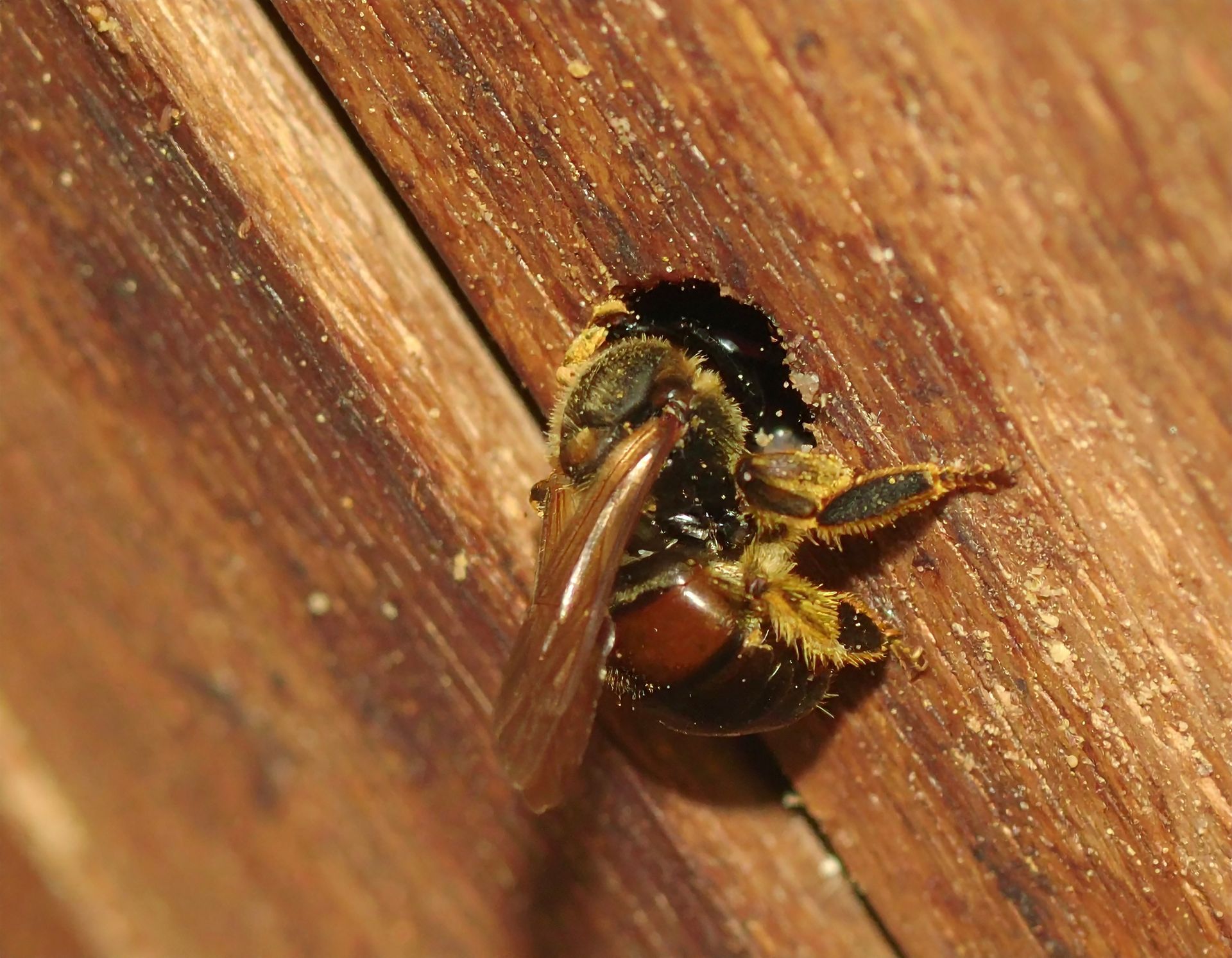
Carpenter bees are a common nuisance in many parts of the United States, particularly during spring and summer. Although these solitary bees play a beneficial role in pollination, they can cause significant damage to wooden structures around your home. Unlike termites, carpenter bees do not eat wood. However, they bore into it to create nesting tunnels, which can lead to structural weaknesses over time. At Killo Exterminating Co., Inc., we understand how frustrating and costly carpenter bee infestations can be.
Understanding Carpenter Bees
What Are Carpenter Bees?
Carpenter bees are large, robust bees that closely resemble bumblebees. The most common species in the U.S. is Xylocopa virginica. One of the distinguishing characteristics of carpenter bees is their shiny, hairless black abdomens, unlike the fuzzy abdomens of bumblebees. Males are often seen hovering around nesting sites, while females do the actual boring and nesting.
Carpenter bees prefer unpainted, weathered softwoods like cedar, pine, cypress, and redwood. They typically bore perfectly round holes about half an inch in diameter into eaves, decks, siding, window trim, and other exposed wood surfaces.
Life Cycle and Behavior
Carpenter bees emerge from overwintering in early spring, when females begin excavating tunnels for nesting. A female bee bores a straight entrance hole into the wood before turning at a 90-degree angle to create a nesting gallery. These tunnels can be reused year after year, often expanded by future generations.
Each tunnel may house several brood chambers where the female deposits eggs, each with a ball of pollen and nectar to feed the larvae. The larvae develop into adults over several weeks and emerge later in the summer.
Carpenter bees are not aggressive. Male carpenter bees, although territorial and prone to hovering near humans, cannot sting. Females can sting but usually do so only if provoked.
Damage Caused by Carpenter Bees
While a single carpenter bee tunnel may not pose an immediate threat, repeated infestations can result in serious structural and cosmetic damage to your home. Common problems include:
- Wood damage: Repeated boring weakens wooden components, especially if nesting occurs near structural elements like beams or joists.
- Stains and debris: Bees defecate near the entrance holes, leading to staining on siding or decks. Sawdust may also accumulate beneath the entry point.
- Woodpecker activity: Woodpeckers are attracted to the larvae inside the tunnels, often causing further damage as they peck through the wood to extract them.
- Moisture intrusion: Holes and cracks created by carpenter bees allow moisture to penetrate, potentially leading to rot or mold.
Because the damage often accumulates gradually, many homeowners do not recognize the extent of the problem until repairs become costly.
Signs of Carpenter Bee Infestation
To detect carpenter bee activity around your property, look for the following indicators:
- Perfectly round holes about ½ inch in diameter in wood trim, eaves, fences, or decks.
- Sawdust piles below these holes, a result of the boring process.
- Yellowish stains around the entry hole, caused by bee excrement.
- Buzzing sounds inside the wood if the infestation is active.
- Woodpecker damage near entry holes.
How to Prevent Carpenter Bee Infestations
Prevention is the most effective approach to managing carpenter bee issues. Homeowners can take a number of proactive steps to make their homes less attractive to these wood-boring insects.
1. Paint or Stain Exposed Wood
Carpenter bees are significantly less likely to bore into painted or stained wood. Bare or weathered wood is particularly vulnerable. Apply a high-quality exterior paint or wood sealant to all wooden surfaces, including trim, eaves, railings, and decks. For stained wood, opt for a product with a glossy finish, as this is less appealing to bees.
2. Replace Damaged or Unfinished Wood
Inspect your home’s exterior regularly and repair or replace weathered or unsealed wood. This is especially important in older homes where untreated wood may be more prevalent. Replace affected boards with pressure-treated lumber or hardwoods, which are less attractive to carpenter bees.
3. Install Bee Deterrents
Carpenter bees are solitary but tend to return to the same area year after year. You can deter them by installing physical barriers such as:
- Metal flashing or mesh over potential nesting sites.
- Vinyl or aluminum siding to replace wood in vulnerable areas.
- Wood putty to fill in existing holes promptly, deterring reuse.
Additionally, hanging carpenter bee traps in areas of previous activity may help reduce the local population.
4. Reduce Attractants
Minimize factors that encourage nesting near your home:
- Keep woodpiles and lumber away from the house.
- Maintain a clean and well-painted exterior.
- Address any moisture issues that could cause wood decay.
- Trim back overhanging branches to reduce shaded, sheltered areas where bees may nest.
How to Deal with an Existing Carpenter Bee Infestation
If carpenter bees have already taken up residence on your property, several approaches can help control the infestation. However, safe and effective treatment often requires professional assistance.
1. Apply Insecticide Dust
For active infestations, a residual insecticide dust can be applied directly into the entry holes. The dust should be applied at night or in the early morning when the bees are less active. It works by contacting the bees as they enter or exit the tunnel. Several days after treatment, the holes should be sealed to prevent reuse.
Important: Only licensed professionals should apply insecticides near occupied structures to ensure safety and compliance with local regulations.
2. Plug and Seal Entry Holes
Once you are sure all bee activity has ceased, typically a few days after treatment, seal the holes with wood filler or caulk. Then sand, prime, and paint the area to restore the protective coating and discourage future nesting.
3. Consider Professional Pest Control
Carpenter bee infestations can be challenging to eliminate entirely, especially in hard-to-reach areas. At Killo Exterminating Co., Inc., we offer comprehensive treatment solutions that include:
- Application of EPA-approved insecticides by trained professionals.
- Follow-up visits to ensure the infestation is completely resolved.
- Long-term prevention recommendations tailored to your home.
Why Choose Killo Exterminating Co., Inc.?
With over 80 years of experience in pest management, Killo Exterminating Co., Inc. is a trusted name for homeowners seeking safe, effective carpenter bee solutions. Our team is committed to protecting your home while preserving the local ecosystem through responsible practices. We offer:
- Licensed and insured pest control professionals
- Customized treatment plans
- Ongoing monitoring and prevention services
Take Action Now to Protect Your Home from Carpenter Bees
Carpenter bees may not be as aggressive or destructive as other pests, but the damage they cause can accumulate quickly if left untreated. Homeowners should take preventive measures by sealing and treating exposed wood, monitoring for signs of activity, and acting promptly when infestations occur.
DIY solutions may offer temporary relief, but professional pest control provides the thorough, long-lasting protection your home deserves. At Killo
Exterminating Co., Inc., we are dedicated to helping you maintain a pest-free property through expert knowledge, effective treatments, and a commitment to customer satisfaction.
If you suspect carpenter bees are targeting your home, contact us today to schedule an appointment. Early action can save your home from unnecessary damage and expense.