
The Things That Attract Ants to a Home

Killo Exterminating Co., Inc. • December 10, 2025

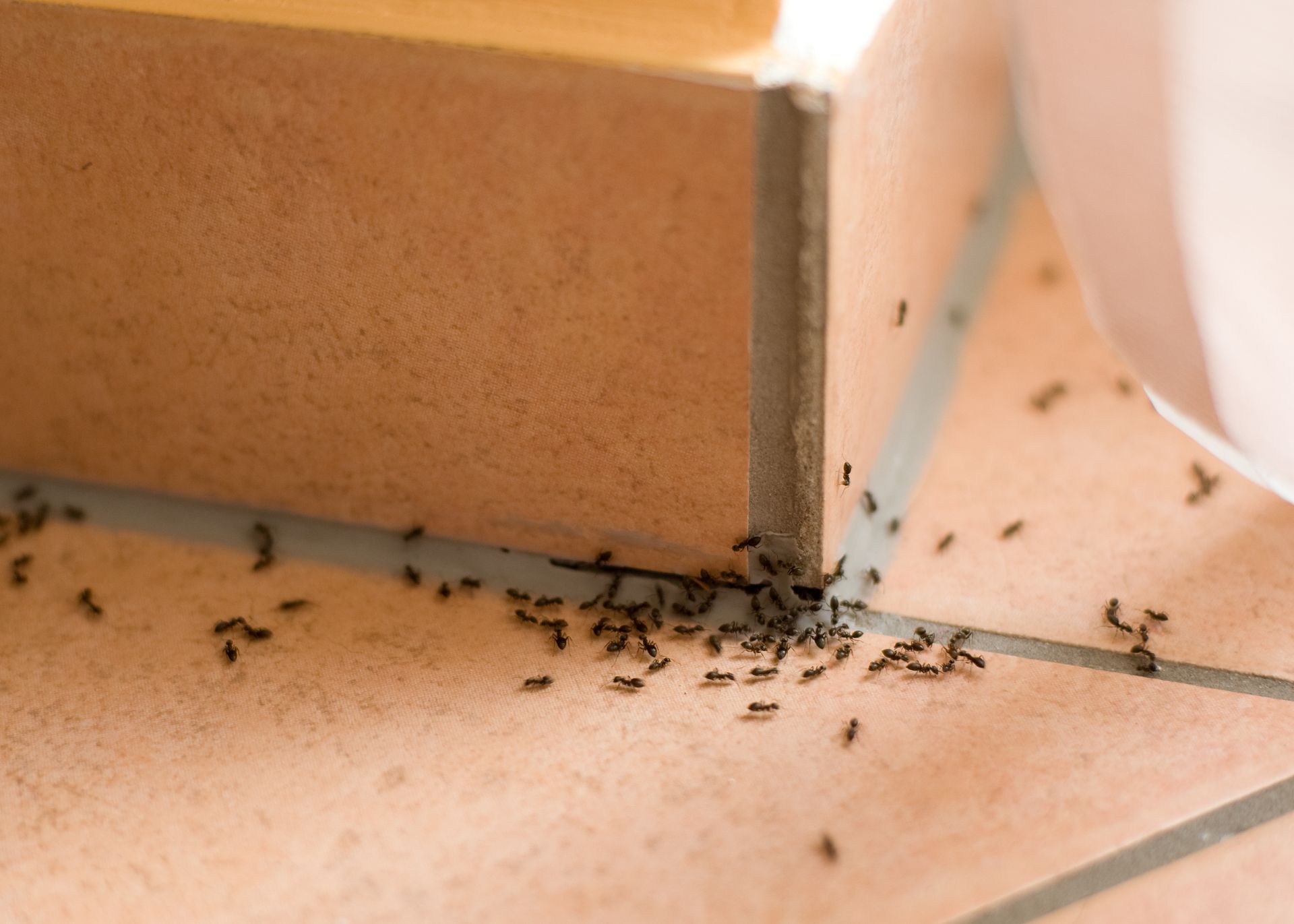
Ants are among the most common household pests in the United States. While they are tiny and often underestimated, their presence can lead to serious infestations that are difficult to eliminate without professional help. For homeowners, the first step to effective ant control is understanding what draws ants indoors in the first place. By identifying and eliminating the conditions that attract ants, you can reduce the risk of infestation and maintain a pest-free environment.

Food Sources

Food is the primary reason ants invade homes. Ants are constantly searching for food to support their colonies, and human dwellings provide abundant opportunities for nourishment. These pests are especially drawn to sugary, greasy, and protein-rich substances.


Sugary Substances

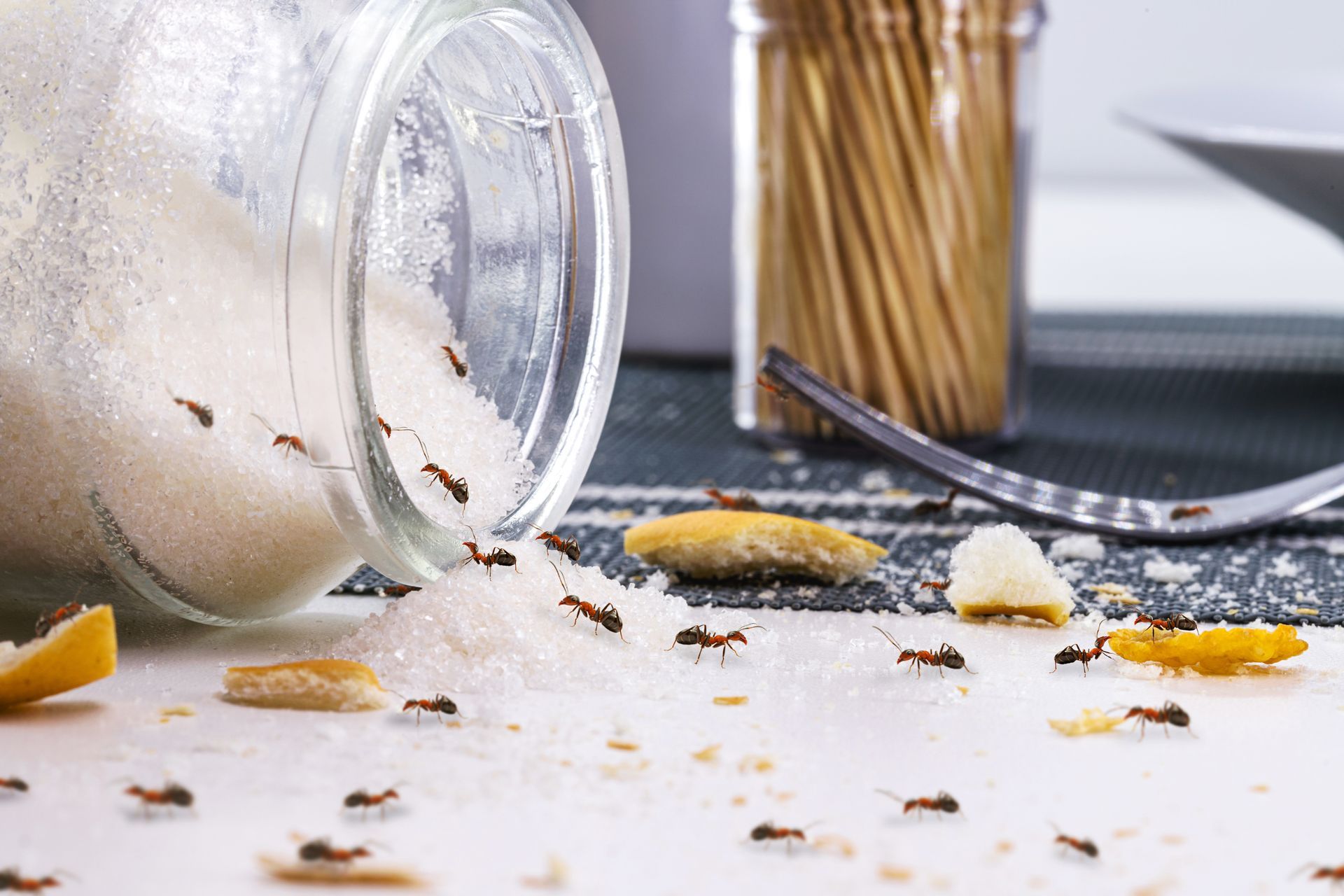
Sweets are highly attractive to ants, especially sugar ants and Argentine ants. Items such as spilled soda, fruit juices, syrup, honey, and crumbs from baked goods can quickly draw an ant trail into your kitchen. Even small residues left on countertops or in trash bins can be enough to attract ants.


Greasy and Oily Foods

Proteins and fats are essential for ant colonies, especially during their growth phases. Foods like meat scraps, cooking oils, and greasy leftovers are attractive to various ant species, including odorous house ants. Grease left behind on stovetops or counters may not be visible but can still be detected by ants.


Pet Food

Pet food, particularly dry kibble and wet canned food, can attract ants if it is left out for extended periods. Many homeowners overlook pet feeding areas when cleaning, which can result in ant activity around food bowls and storage containers.


Unsealed Containers

Food stored in unsealed containers can also become an ant target. Items like cereal, sugar, flour, and snacks should be kept in airtight containers. Ants are capable of finding their way into loosely closed packages or cardboard boxes stored in pantries.


Water and Moisture

Ants require water for survival, and excess moisture in or around a home can be a significant attractant. Leaky pipes, dripping faucets, and high humidity areas like basements or bathrooms provide ideal conditions for ants to thrive.


Leaky Plumbing

Dripping sinks, leaking pipes under cabinets, or damaged seals around toilets and tubs can create moisture-rich environments that support ant colonies. Carpenter ants in particular are drawn to damp wood, which provides both shelter and a nearby water source.


Humidity and Condensation

Poor ventilation in bathrooms, kitchens, or laundry rooms can lead to increased humidity. Ants are attracted to these damp areas, particularly during dry periods outside when natural water sources are scarce. Dehumidifiers and proper air circulation can help reduce indoor moisture.


Standing Water

Outdoor conditions also matter. Puddles, clogged gutters, and poor yard drainage can attract ants to the exterior of a home, from where they may eventually find their way indoors. Eliminating standing water is essential in deterring ant entry.


Shelter and Nesting Sites

Aside from food and water, ants also enter homes in search of suitable nesting sites. The structural characteristics of a home can unintentionally offer ideal living conditions for ant colonies.


Cracks and Openings

Ants are extremely small and can fit through the tiniest openings. Gaps around windows, doors, utility lines, and foundation cracks are common entry points. Once inside, ants may nest within wall voids, under floors, or behind baseboards. Sealing these entry points is an essential preventative measure.


Damaged or Wet Wood

Carpenter ants are especially drawn to moist or decaying wood. Wood that has been damaged by water leaks, termites, or general rot provides both food and shelter. This is particularly problematic in older homes or properties with unresolved water damage.


Insulation and Wall Voids

Ants often establish satellite colonies inside wall voids or insulation. These spaces provide protection from predators and temperature extremes. Once a colony is established inside the structure, eliminating it without professional treatment can be challenging.


Landscaping and Exterior Conditions

The environment surrounding your home can also influence the likelihood of ant infestations. Landscaping elements and poor exterior maintenance often lead to indoor problems.


Overgrown Vegetation

Trees and shrubs that touch the home provide easy bridges for ants to enter. Branches hanging over roofs or plants brushing against walls can give ants direct access to upper levels and attic spaces. Regular trimming is essential to reduce this risk.


Mulch and Ground Cover

Mulch, especially wood-based varieties, retains moisture and provides a warm shelter for ants. When placed too close to the foundation, it becomes an invitation for ants to explore the home. Gravel or rubber mulch can be a better alternative near the base of the house.


Firewood and Debris

Stacks of firewood or piles of yard debris stored against the home can harbor ant colonies. These materials should be stored several feet away from the house and elevated off the ground to discourage nesting.


Clogged Gutters and Drainage Issues

Poorly maintained gutters lead to water pooling near the foundation, attracting ants to the structure. Ensuring proper drainage and keeping gutters clean can prevent these moist conditions that appeal to ant colonies.


Scent Trails and Pheromones

Ants rely heavily on scent trails to communicate with their colony. When a forager ant finds food, it lays down a chemical trail leading others to the source. These pheromones can last for days, drawing more ants even after the original food has been removed.

Even after cleaning, if the pheromone trail remains, ants will continue to follow the path. Using vinegar or professional-grade cleaners to disrupt these trails can help eliminate recurring activity.


Climate and Seasonal Changes

Certain weather conditions increase the likelihood of ants seeking refuge inside homes. Drought, heavy rainfall, or temperature extremes often drive ants indoors where food, water, and shelter are more stable.

During colder months, ants may nest indoors to escape freezing temperatures. Conversely, during very hot or dry seasons, they may come inside in search of water. Understanding these patterns can help homeowners anticipate and prevent seasonal infestations.


Poor Sanitation and Infrequent Cleaning

Cleanliness plays a major role in deterring ants. Homes with infrequent cleaning schedules or overlooked messes provide ample opportunities for ants to find food and water.

Crumbs under kitchen appliances, spills behind trash bins, or forgotten snacks in living rooms can all attract ants. Routine cleaning, especially in hard-to-reach areas, is crucial to making your home less appealing to pests.


Trash and Recycling

Improperly managed waste is a major attractant for ants. Trash bins that are not emptied regularly or recycling containers that are not rinsed can harbor food residues. All waste containers should have tight-fitting lids and be cleaned periodically to prevent odors and residue buildup.


How to Prevent Ant Infestations

Understanding what attracts ants is only half the solution. Implementing prevention measures will significantly reduce the chances of an infestation.

1. Store food in sealed containers: Keep all pantry items in airtight containers and avoid leaving food out overnight.

2. Clean regularly: Wipe down counters, sweep floors, and pay attention to areas where crumbs or spills may go unnoticed.

3. Fix leaks and reduce moisture: Repair any plumbing issues and use ventilation fans or dehumidifiers in humid areas.

4. Seal entry points: Inspect and seal cracks around doors, windows, foundations, and utility lines.

5. Maintain the yard: Trim vegetation, clean gutters, and store firewood away from the house.

6. Use professional pest control services: A licensed pest control company can assess your home for vulnerabilities and implement targeted solutions.


Take Control: Eliminate What Attracts Ants to Your Home Today

Ant infestations are common, but they are not inevitable. By understanding the factors that attract ants to your home and taking proactive measures to eliminate those conditions, you can maintain a clean and pest-free environment. Regular maintenance, sanitation, and professional inspections are the keys to long-term prevention.


At Killo Exterminating Co., Inc., we specialize in identifying and eliminating ant infestations at the source. Whether you are dealing with a current problem or looking to prevent one, our team offers reliable, science-based solutions tailored to your home. Contact us today to schedule an inspection and take the first step toward an ant-free home.
By Killo Exterminating Co., Inc. December 10, 2025
Learn how to protect your home from carpenter bees with expert prevention strategies from Killo Exterminating Co., Inc. Preserve your wood structures and avoid costly repairs.
By Killo Exterminating Co., Inc. November 14, 2025
Before bringing a live Christmas tree into your home, understand the potential for hidden pests and overwintering insects. Learn how to prepare and protect your home this holiday season.
By Killo Exterminating Co., Inc November 14, 2025
Learn how to accurately identify mouse droppings versus roach feces to ensure effective pest control. Understand key differences in size, shape, color, and location for better home protection.
By Killo Exterminating Co., Inc. September 18, 2025
Discover the most effective mosquito-repellent plants and herbs. Learn how natural landscaping can help reduce mosquito populations around your home or business.
By Killo Exterminating Co., Inc. September 18, 2025
Discover effective methods to eliminate spider infestations in your attic or basement. Learn prevention tips, removal strategies, and when to contact Killo Exterminating Co., Inc.
By Killon Exterminating Co., Inc. September 8, 2025
Rats are one of the most persistent and destructive pests that can invade outdoor spaces. They are highly adaptable, reproduce rapidly, and are capable of causing significant damage to gardens, property structures, and even personal health. If left uncontrolled, a rat infestation can grow quickly and become far more challenging to address. The key to successful rat control is to remove existing rodents and then implement measures that make your yard unappealing to them in the future. At Killo Exterminating Co., Inc., we have decades of experience helping homeowners and businesses protect their property from pests.  Understanding the Risks of Rats in Your Yard Rats are not only a nuisance but also a health hazard. They can carry numerous diseases that pose risks to humans and pets, such as leptospirosis, salmonella, and rat-bite fever. In addition to health threats, rats can cause structural damage by chewing through wood, wires, and even soft metals. They also dig burrows that weaken soil stability around gardens, patios, and building foundations. Identifying Signs of Rat Activity Before taking steps to eliminate rats, it is important to confirm their presence. Common signs of rat activity include: Droppings Rat droppings are dark, pellet-shaped, and typically found along walls, near food sources, or in sheltered corners of your yard. Burrows Norway rats in particular dig burrows in soil, under decks, or along foundations. Fresh burrows often have a smooth entrance with loose dirt scattered nearby. Gnaw Marks Rats gnaw on wood, plastic containers, and even outdoor furniture to keep their teeth from overgrowing. Grease Marks Rats often follow the same paths repeatedly, leaving greasy smears on surfaces where their fur brushes against walls or objects. Noises at Night Scratching or scurrying sounds in sheds, under decks, or in walls can indicate rat activity. Once you have confirmed the presence of rats, you can begin targeted removal efforts. Removing Rats from Your Yard Rats are intelligent and cautious, so effective removal requires a methodical approach. 1. Remove Food Sources Rats are attracted to readily available food. Common food sources in yards include pet food left outside, bird seed from feeders, fallen fruit from trees, and unsecured garbage. To reduce food availability: Store garbage in sealed metal or heavy-duty plastic bins with tight-fitting lids. Clean up fallen fruit promptly. Avoid feeding pets outdoors. Use bird feeders with seed catchers to prevent excess spillage. 2. Remove Water Sources Rats require water to survive, and even small amounts can sustain them. Eliminate or reduce standing water by: Fixing leaky outdoor faucets. Emptying bird baths regularly or using models with running water features. Ensuring proper drainage in low-lying areas. 3. Eliminate Hiding Places Rats seek shelter in clutter, overgrown vegetation, and debris piles. Keep your yard well-maintained by: Trimming shrubs and grass regularly. Storing firewood at least twelve inches off the ground and away from buildings. Removing unused equipment or stacked materials where rats could nest. 4. Use Traps Trapping is a safe and effective way to reduce rat populations. Snap traps are commonly used because they kill rats quickly and humanely. Place traps along walls, near burrows, or in areas where droppings are found. Always handle traps carefully and keep them out of reach of pets and children. 5. Professional Rodent Control Services While do-it-yourself methods can help in mild cases, a significant infestation requires professional intervention. At Killo Exterminating Co., Inc., we use baiting programs and exclusion techniques to remove rats efficiently while ensuring safety for your family and pets. Preventing Rats from Returning Once the current infestation is addressed, prevention becomes your primary goal. Rats are opportunistic, so a clean and well-maintained yard makes them less likely to return. 1. Seal Entry Points to Your Home and Outbuildings Even if rats are currently only in your yard, they can easily move indoors. Inspect the exterior of your home and outbuildings for gaps or cracks larger than one quarter of an inch. Seal these with steel wool and caulk, or use hardware cloth for larger openings. Pay special attention to: Gaps around pipes and utility lines Spaces under doors without proper sweeps Openings in vents or crawl spaces 2. Maintain Landscaping Dense vegetation provides shelter and travel paths for rats. Keep grass trimmed and remove any low-hanging tree branches that provide easy access to roofs or attics. Avoid planting thick ground cover directly against building foundations. 3. Keep Waste Secure A consistent waste management routine is crucial. Use bins with lids that lock or clamp shut, and place them on a stable surface to prevent tipping. If possible, store garbage bins indoors until collection day. 4. Monitor Regularly Even after taking preventive steps, it is important to keep an eye out for early signs of rats. Conduct regular inspections of your property, paying attention to areas near fences, sheds, and compost piles. The sooner you detect rat activity, the easier it is to control. Why Professional Help is Often the Best Option Rats are intelligent, adaptable, and capable of avoiding poorly placed traps or ineffective deterrents. A small population can quickly grow, as rats can reproduce every few weeks. Professional exterminators bring specialized knowledge, tools, and products that are not available to the general public. At Killo Exterminating Co., Inc., we use integrated pest management strategies that address the root causes of infestations rather than just treating the symptoms. This approach combines targeted trapping and preventive measures to deliver long-term results. Health and Safety Considerations When dealing with rats, it is essential to protect your health. Always wear gloves when handling traps or cleaning areas where rats have been active. Avoid sweeping or vacuuming droppings, as this can release harmful particles into the air. Instead, use disinfectants to wet contaminated areas before carefully cleaning them. Dispose of dead rodents according to local guidelines to avoid spreading disease. The Long-Term Benefits of a Rat-Free Yard Eliminating rats from your yard does more than protect your garden and property. It creates a safer and healthier environment for your family, pets, and guests. Without rats, you reduce the risk of property damage, avoid costly repairs, and maintain a more pleasant outdoor space. By following the steps outlined above and working with trusted professionals like Killo Exterminating Co., Inc., you can achieve long-term control and prevent future infestations.
By Killo Exterminating Co., Inc. August 11, 2025
Unsure if it’s termite damage or wood rot? Learn the key differences, warning signs, and how to protect your home with expert insights from Killo Exterminating Co., Inc.
single mouse in house
By Killo Exterminating Company, Inc June 26, 2025
Learn how to identify a mouse infestation, the signs to watch for, and when to call professional pest control. Killo Exterminating Co., Inc. offers expert rodent removal services.
By Killo Exterminating Co., Inc. May 9, 2025
Learn about the most common pantry pests in Charlotte, NC, and how to keep your kitchen free from infestations. Expert tips from Killo Exterminating.
By Killo Exterminating Co., Inc. May 9, 2025
Learn about termite swarming season in Charlotte, NC, including when it happens, signs of an infestation, and how to protect your home. Expert tips from Killo Exterminating Co., Inc.