
What Attracts House Centipedes
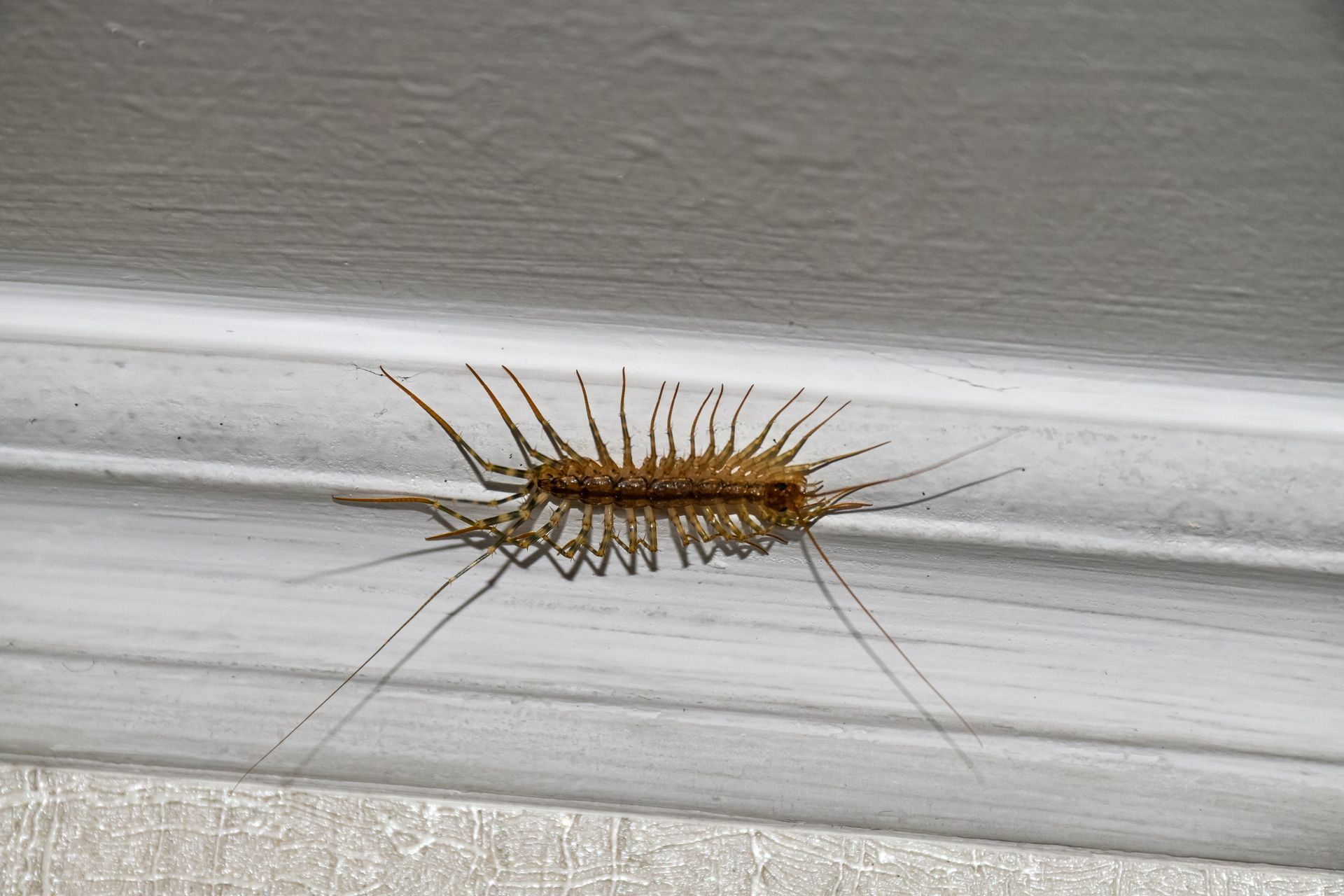
House centipedes can be unsettling to spot. They move quickly, hide well, and tend to appear in the same areas again and again. The good news is that a house centipede problem is usually predictable. In most homes, the conditions that attract house centipedes fall into a few categories: moisture, available prey, safe hiding spots, and easy access points.
If you want to reduce sightings and prevent a larger issue, it helps to understand what house centipedes are looking for and why certain rooms become hot spots. Below is a clear, practical guide from Killo Exterminating Co., Inc. on what attracts house centipedes and what you can do to make your home less inviting.
Understanding the house centipede and why it shows up indoors
The common house centipede is an indoor predator. Unlike pests that invade your pantry or chew through wood, house centipedes hunt other insects and arthropods. That hunting behavior explains a lot about what attracts them. If your home provides a steady supply of small prey, plus the humidity they need to avoid drying out, house centipedes can settle in and reproduce.
They are also mainly active at night. Many homeowners only notice them when turning on a bathroom light, walking into a basement, or moving storage items. A single sighting does not always mean an infestation, but repeated sightings usually point to conditions that support them.
Moisture is the number one attractant
If you ask what attracts house centipedes more than anything else, the answer is moisture. House centipedes are prone to dehydration, so they prefer damp, humid areas where they can survive comfortably.
Common moisture sources that attract house centipedes include:
- Bathroom humidity from showers, baths, and poor ventilation
- Basement dampness from seepage, condensation, or cracks in foundation walls
- Crawl space humidity from poor airflow or uncovered soil
- Laundry rooms with humid air and occasional water drips
- Leaky plumbing under sinks, around tubs, behind toilets, and near water heaters
- Condensation on cold water pipes, especially in warm seasons
- Floor drains and sump pits that stay damp
- Wet areas around air conditioning equipment, including clogged condensate lines
Even when there is no obvious leak, consistent humidity can be enough. Homes with limited air circulation, older construction, or below grade rooms often create the exact microclimate house centipedes prefer.
A steady food supply attracts them just as strongly
House centipedes rarely move into a home that has nothing to eat. They are drawn to environments where other pests are already present. In many cases, frequent house centipede sightings are a sign of an underlying insect problem.
Prey that can attract house centipedes includes:
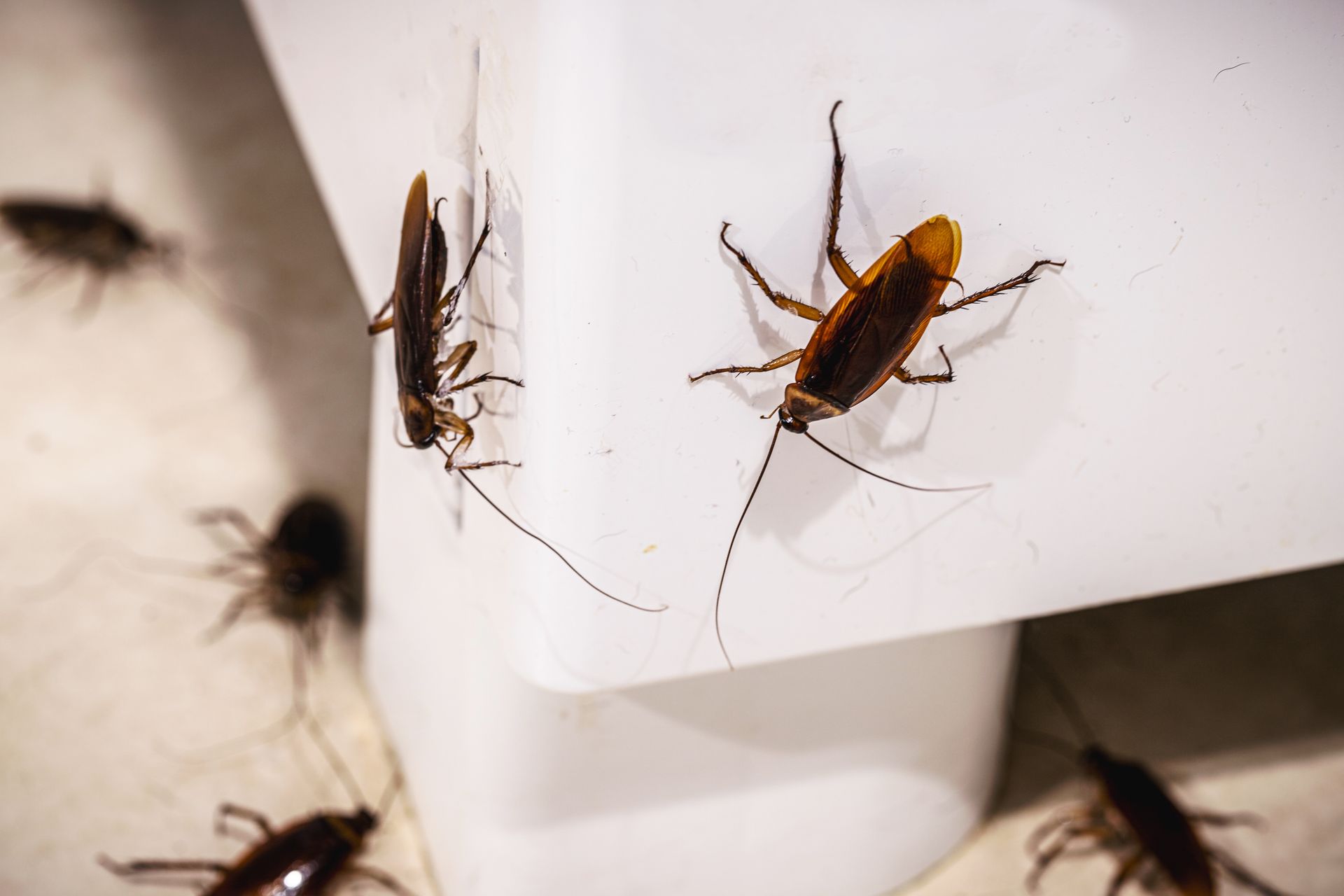
- Cockroaches
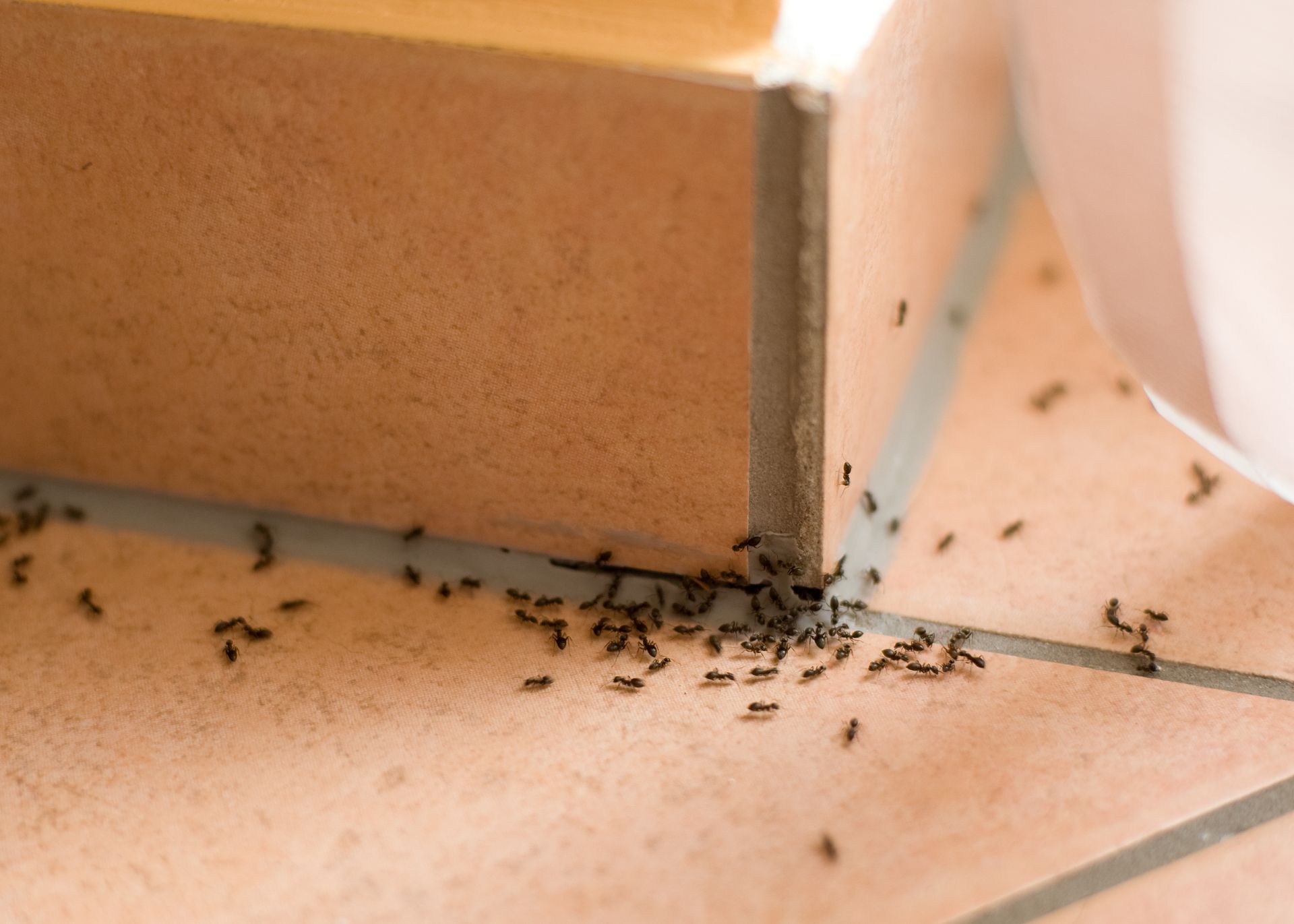
- Ants
- Silverfish
- Spiders
- Termites in certain conditions
- Earwigs
- Crickets
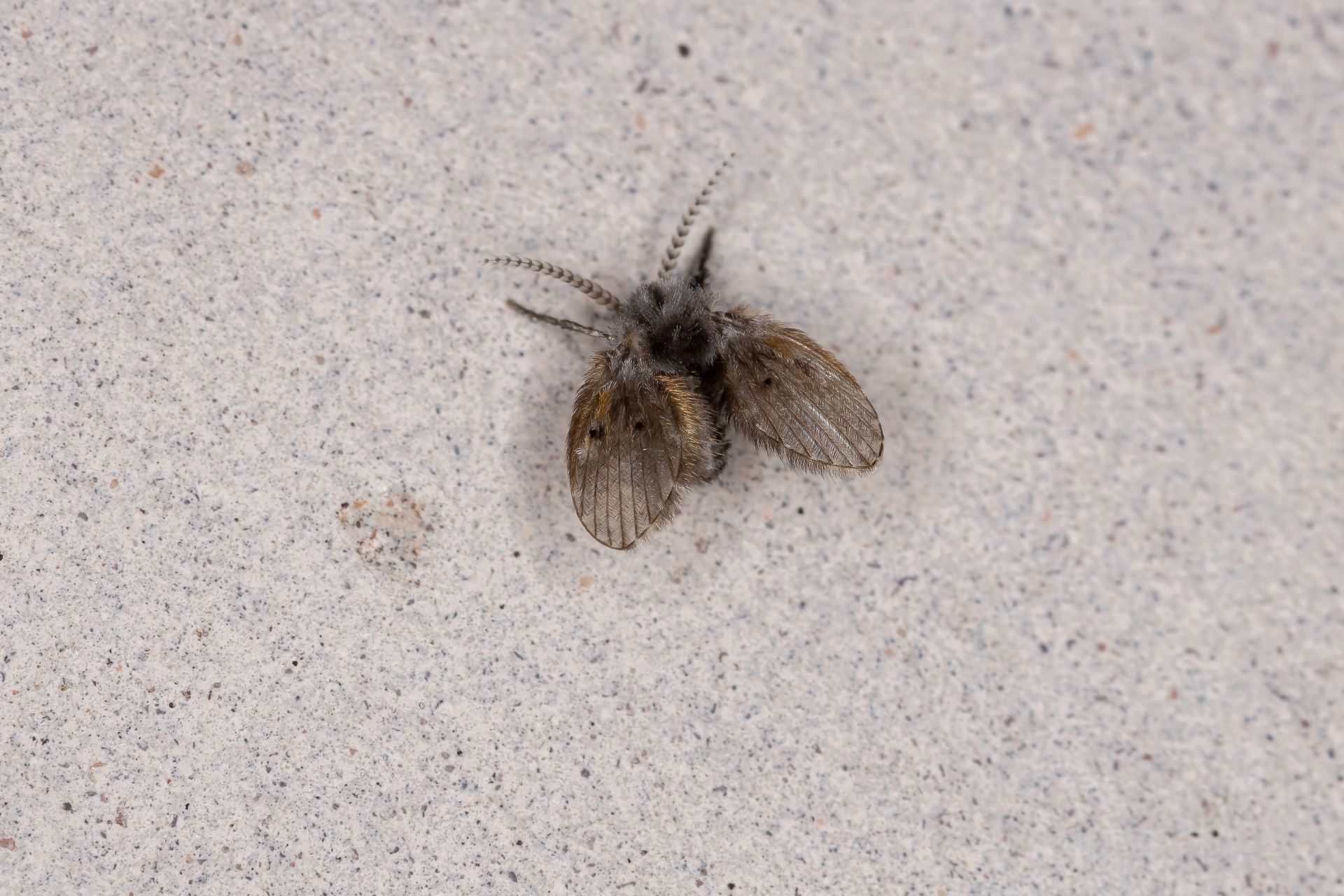
- Small flies and other moisture loving insects
Dark, undisturbed hiding places make your home ideal
House centipedes spend much of the day hiding. They choose areas that are dark, quiet, and protected from human activity. Clutter and storage habits can unintentionally create perfect shelter.
Indoor hiding places that attract house centipedes include:
- Cardboard boxes, paper stacks, and stored clothing in basements
- Stored items pushed tight against walls
- Cluttered closets and utility rooms
- Gaps behind baseboards and trim
- Spaces beneath sinks, especially where plumbing penetrations are open
- Cracks in concrete floors or along foundation edges
- Drop ceilings, wall voids, and unfinished mechanical areas
- Garages with stored items and minimal disturbance
Basements and crawl spaces tend to check every box: dark, damp, and filled with hiding spots. Bathrooms and laundry rooms come next, especially when they have limited airflow and small gaps around fixtures.
Entry points and structural gaps invite house centipedes inside
House centipedes can enter through very small openings. They also take advantage of the same pathways used by other insects. Even if conditions inside are only moderately favorable, easy access can increase the chance of frequent encounters.
Common entry points include:
- Openings around vents, especially in crawl spaces and attics
- Cracks in foundation walls and slabs
- Gaps around basement windows and window wells
- Poorly sealed door thresholds and worn weather stripping
- Gaps where pipes and cables enter the home
- Unsealed expansion joints and utility penetrations
- Tears in window screens or loose screen frames
Outdoor conditions that contribute to indoor centipedes
Outdoor conditions can push centipedes toward the interior. When the exterior environment becomes too dry, too hot, or too cold, they search for stable humidity and temperatures indoors.
Many homeowners focus only on the interior, but what attracts house centipedes often starts outside. House centipedes naturally live in damp outdoor places such as under rocks, leaf litter, landscape timbers, and mulch. When those habitats sit close to the foundation, the transition indoors becomes easier.
Outdoor factors that can increase centipede pressure include:
- Mulch piled against the foundation that stays moist
- Leaf litter and dense ground cover that hold humidity
- Overwatered flower beds along exterior walls
- Poor drainage that leaves standing water near the home
- Clogged gutters causing water overflow and wet soil near the foundation
- Wood piles or debris stored near the structure
- Shrubs and plants touching the siding and trapping moisture
Improving drainage, reducing moisture retention, and creating a cleaner perimeter around the house can significantly reduce what attracts house centipedes and other moisture related pests.
Seasonal patterns that explain sudden sightings
House centipede activity can feel random, but seasonality plays a role.
In warm months, indoor humidity increases, prey insects become more active, and basements can stay damp. That combination can raise the likelihood of sightings.
In cooler months, centipedes and their prey may move inward for more stable temperatures. If your basement or crawl space stays relatively warm and humid compared to the outside air, it can become a refuge.
If you notice house centipedes in waves, it is often because the underlying conditions, moisture and prey, are changing with the seasons.
What attracts house centipedes in specific rooms
Bathrooms
Bathrooms attract house centipedes because they provide humidity, warmth, and access to drains and plumbing voids. Small gaps around tubs, toilets, and sink pipes are common hiding spots.
Basements
Basements are the most common location because they often have damp concrete, lower airflow, and easy access through foundation cracks. Stored items also create shelter.
Crawl spaces
Crawl spaces attract house centipedes when soil moisture is high, ventilation is poor, or a vapor barrier is missing or damaged. This area can also host many prey insects.
Laundry rooms
Laundry rooms can be humid and offer hiding spaces behind appliances. A slow leak or condensation around plumbing is a frequent attractant.
Garages
Garages often have gaps at doors, stored clutter, and insects that wander in from outside. If the garage is humid or has water intrusion, it becomes even more appealing.
How to reduce what attracts house centipedes
You do not have to guess. The most effective prevention plan targets the exact conditions centipedes need to thrive.
Control moisture and humidity
- Fix plumbing leaks quickly, even small drips
- Use bathroom fans during and after showers
- Improve ventilation in basements and crawl spaces where appropriate
- Consider a dehumidifier for damp basements
- Insulate cold pipes to reduce condensation
- Keep floor drains clean and address standing water
Lowering indoor humidity makes it harder for house centipedes to survive and reduces the moisture loving insects they feed on.
Reduce prey insects
- Seal food sources for roaches and ants by keeping kitchens clean and storing food in tight containers
- Address silverfish and other moisture pests by reducing humidity
- Repair screens and seal gaps to reduce insects entering from outdoors
- Use targeted pest control strategies rather than relying on broad, inconsistent sprays
If you remove what attracts the prey, you remove what attracts the house centipedes.
Limit hiding places
- Declutter basements, closets, and storage rooms
- Store items in sealed plastic bins instead of cardboard
- Keep stored items off floors when possible
- Avoid piling items tightly against walls
- Vacuum and clean along baseboards and corners where insects hide
Seal entry points
- Add or replace weather stripping and door sweeps
- Seal gaps around plumbing and cable lines with appropriate materials
- Repair cracks in foundations and slabs
- Seal basement window gaps and improve window well maintenance
- Maintain screens and close openings around vents
Improve exterior conditions
- Keep gutters clean and direct downspouts away from the foundation
- Correct grading so water drains away from the home
- Keep mulch and soil a few inches below siding and avoid piling against the foundation
- Trim vegetation away from exterior walls
- Move wood piles and debris away from the structure
These steps reduce outdoor harborage and moisture retention, which can reduce indoor pressure.
Should you kill house centipedes when you see them
Many people instinctively eliminate them on sight. While that can reduce an immediate nuisance, it does not solve the reason they are there. House centipedes are predators, so seeing them often points to other pests that need attention. If you are seeing them regularly, the goal should be to correct the attractants, not just react to sightings.
When it is time to call Killo Exterminating Co., Inc.
If you see house centipedes often, especially in multiple rooms, there is usually a moisture issue, a prey insect issue, or both. A professional inspection can identify hidden conditions that are easy to miss, such as damp wall voids, plumbing leaks behind fixtures, or insect activity in concealed areas.
Consider professional pest control if:
- You see house centipedes weekly or more
- Sightings increase after rain or during humid weather
- You notice other pests such as roaches, ants, silverfish, or spiders
- Your basement or crawl space stays damp despite basic efforts
- You have recurring moisture problems or water intrusion
- You want long term prevention, not temporary relief
Killo Exterminating Co., Inc. can help you identify what attracts house centipedes in your specific home, correct contributing conditions, and apply targeted treatments where they are most effective. Professional service also helps address the prey pests that keep centipedes coming back.