
What Bugs Live in Christmas Trees?

Killo Exterminating Co., Inc. • October 5, 2026

You picked out the perfect Christmas tree, hauled it home, set it up in the living room, and started hanging ornaments. But what if something else came home with you? Real Christmas trees are beautiful, festive, and full of holiday spirit. They can also harbor insects that have been quietly living inside the branches for months. Before you deck the halls, it is worth knowing what kinds of bugs could be hiding in your tree and what you can do about them.

Why Christmas Trees Attract Bugs

Christmas trees grow outdoors for years before they ever make it to a tree lot. During that time, they become home to a wide variety of insects and other small creatures. Many of these pests lay eggs in the bark, needles, or branches, and those eggs can survive well into winter. When you bring a tree inside and turn up the heat, the warmth tricks dormant insects into thinking spring has arrived. Eggs hatch, bugs become active, and before long you have uninvited guests wandering around your home.

In North Carolina, the most popular Christmas tree varieties include Fraser fir, Virginia pine, and White pine. Each species has its own set of pests that tend to call it home. The good news is that most of these insects are harmless to people. The not-so-great news is that nobody wants bugs crawling across their holiday decorations.

Common Bugs Found in North Carolina Christmas Trees

Here is a look at the most common culprits you might encounter when you bring a fresh-cut tree indoors this season.

Aphids

Aphids are among the most frequently found insects in Christmas trees, and they are especially common in Fraser firs, which are grown in abundance across western North Carolina. These tiny, soft-bodied insects are usually brown or black and congregate near the bases of branches or on trunks. When warmth triggers them to hatch indoors, they can appear in large numbers seemingly overnight. Aphids do not bite humans, and they will not survive long without plant material to feed on, but they are still unsettling to find crawling across your floor or furniture.

Bark Beetles

Bark beetles are small, hard-shelled insects that burrow into tree bark to lay their eggs. If you notice tiny holes in the trunk of your tree or find a fine sawdust-like powder collecting at the base, bark beetles may be the cause. Once inside your home, adult beetles may emerge from the wood and wander around. They pose no structural threat to your home and they do not damage furniture or other wood inside, but they are a nuisance all the same.

Adelgids

Adelgids are related to aphids, and they are very common on Fraser firs and spruces. You might notice small white, waxy clusters on the branches that look a little like tiny cotton balls. These are actually adelgid egg sacs. When the warmth of your home causes them to hatch, the nymphs will crawl around for a while before eventually dying, since they have no suitable host plant to feed on indoors. They are harmless but definitely not something most people want to discover on their ornaments.

Scale Insects

Scale insects attach themselves to tree branches and look more like small bumps or growths than actual bugs. They come in wide varieties, and some are common on pine and fir trees throughout North Carolina. Most scale insects are immobile once they attach to a host, so they tend to stay on the tree rather than spreading through your home. However, if conditions are right, crawlers (the early, mobile stage of scale insects) can hatch and move around.

Mites

Several species of mites can live on Christmas trees, and they are so small that most people never notice them until they see a reddish or rust colored dust on surfaces near the tree. These are often pine needle mites or spruce spider mites, and they can hatch indoors in large numbers as temperatures rise. Mites are not harmful to humans, but in significant quantities they can be a real annoyance.

Praying Mantis Egg Cases

This one surprises a lot of people. Praying mantises lay their eggs in foam-like cases called oothecae, and they often attach them to tree branches. These cases blend in so well with bark and branches that they can be nearly impossible to spot. When you bring the tree inside, your home's warmth can trigger those eggs to hatch. A single egg case can contain anywhere from 100 to 200 tiny praying mantises. While praying mantises are beneficial insects in the garden, having hundreds of them emerge in your living room is not exactly a welcome holiday surprise.

Spiders

Spiders are natural hunters, and where there are insects, spiders will follow. It is not unusual to find one or two spiders tucked away in a Christmas tree. These are almost always common outdoor species that pose no real danger to people. Still, discovering a spider crawling out of your tree while you are decorating is enough to ruin the festive mood for a lot of folks.

Psocids (Bark Lice)

Despite the alarming name, bark lice are completely harmless and have nothing to do with the lice that affect humans. These tiny, soft bodied insects feed on mold, fungi, and other organic material found on tree bark. They are very small and often go unnoticed, but if conditions are humid they can multiply quickly inside the home.

How to Keep Bugs Out of Your Christmas Tree

The best approach is to take a few simple steps before the tree ever makes it through your front door. A little prevention goes a long way during the holiday season.

  • Inspect the tree thoroughly at the lot. Before you buy a tree, take a close look at the trunk, bark, and inner branches. Look for egg cases, white waxy clusters, small bumps, or any visible insects. Gently shake the tree and watch what falls out.
  • Use a tree shaker if available. Many tree farms and lots offer mechanical tree shakers that dislodge loose needles, debris, and insects before you load the tree up. Take advantage of this service whenever it is available.
  • Leave the tree in the garage first. Before bringing your tree straight into the warmth of your living space, let it sit in the garage for a day or two. This gives any bugs a chance to leave the tree or become visible before they end up in your home.
  • Inspect again before bringing it inside. After the brief holding period, do one more careful inspection of the trunk and branches before the tree comes through the door.
  • Vacuum up any bugs you find. If you find insects after the tree is set up, resist the urge to spray pesticides. Chemical sprays are flammable and should never be used on a Christmas tree indoors. Instead, vacuum up any visible bugs and dispose of the vacuum bag or empty the canister outside.
  • Remove the tree promptly after the holidays. The longer the tree stays inside, the more time dormant eggs have to hatch. Take the tree down and remove it from your home as soon as the holiday season wraps up.

What Not to Do When You Find Bugs

Finding insects in your Christmas tree is unpleasant, but handle the situation calmly and safely. Here are a few things to avoid.

  1. Do not spray pesticides on your tree indoors. Most aerosol insecticides are highly flammable, and spraying them near lights, candles, or a fireplace creates a serious fire hazard. This risk is not worth it under any circumstances.
  2. Do not panic and assume your home is infested. Most bugs that arrive with a Christmas tree will not survive long indoors. They rely on the tree for food and habitat, and without it they will die off on their own. Your home is not a suitable long-term environment for these insects.
  3. Do not ignore it if the problem seems significant. If you see large numbers of insects or worry the problem may have spread beyond the tree, it is a good idea to contact a professional for an evaluation.

When to Call a Professional

Most Christmas tree bugs are a temporary nuisance and nothing more. However, there are situations where it makes sense to bring in expert help. If you notice insects that don't match any common Christmas tree species, or if you see signs of pest activity elsewhere in your home after setting up the tree, it is worth a closer look. Some pests, like certain beetle species, can potentially find other wood sources in your home once they are inside. If you have any concerns at all, a professional inspection can give you peace of mind quickly.

Enjoy the Holidays Without the Worry

Real Christmas trees are one of the great traditions of the season, and a few hidden insects should not take away from that joy. With a little patience and the right precautions, you can bring all the beauty of a fresh-cut North Carolina tree into your home without the unwanted hitchhikers. If you do end up with a pest problem that goes beyond a few stray bugs, Killo Exterminating Co., Inc. is here to help you get your home back to normal fast. Do not let pests put a damper on your holiday season. Reach out today and let the professionals take care of the rest so you can focus on what truly matters this time of year.
By Killo Exterminating Co., Inc. • August 13, 2026
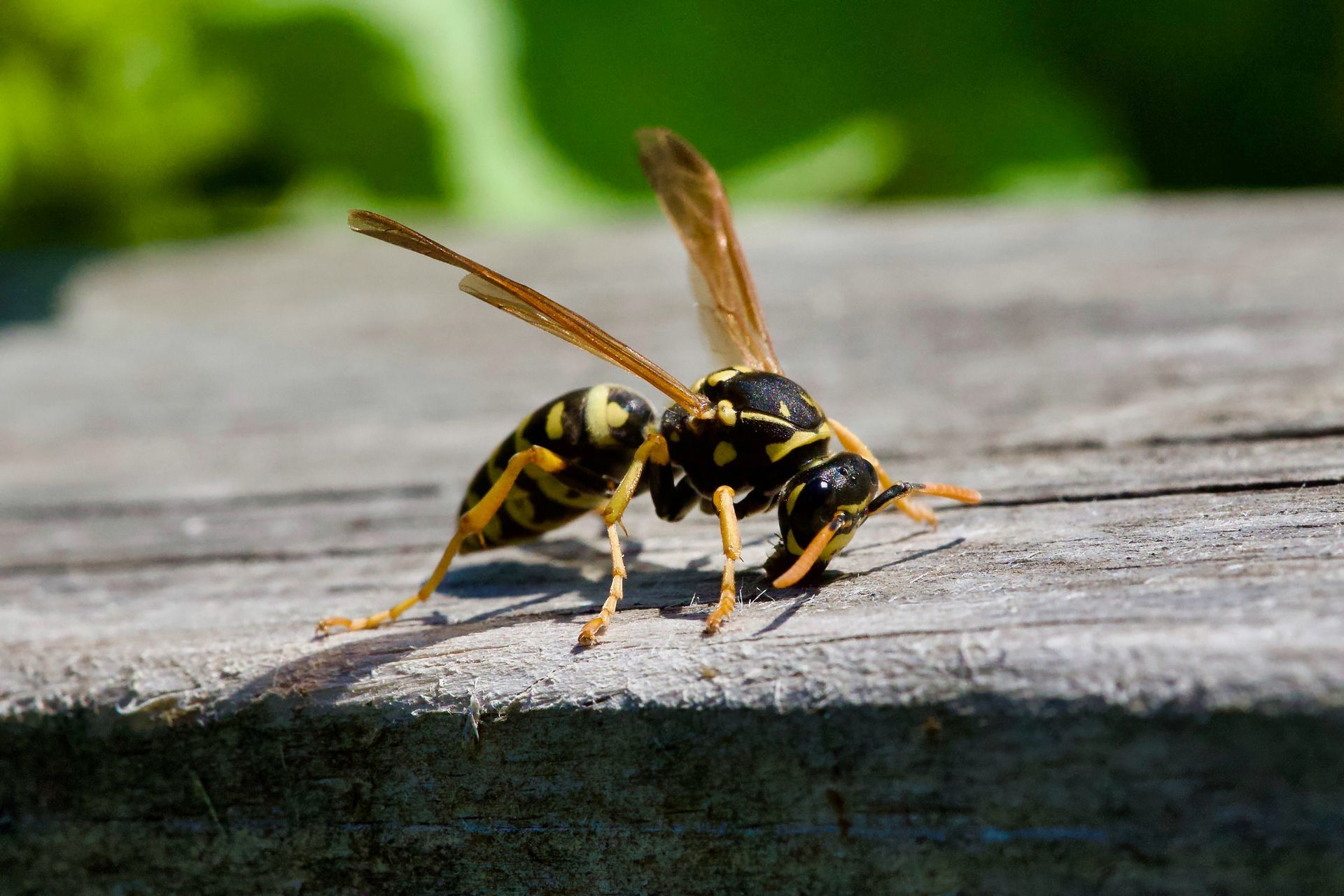
Find out what happens to wasps during winter in North Carolina and what it means for your home and yard when spring arrives.
By Killo Exterminating Co., Inc. • August 13, 2026
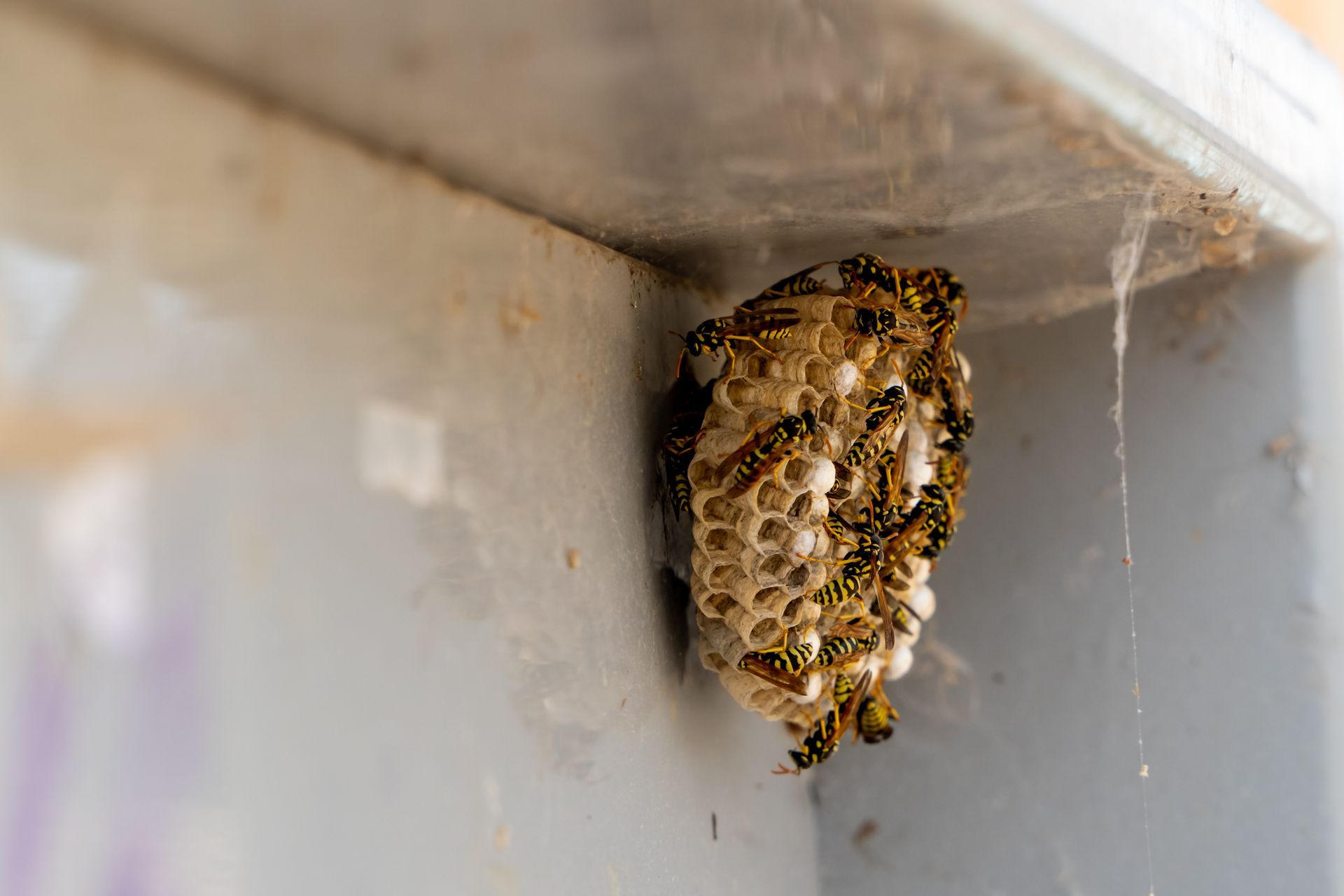
Learn how to tell the difference between wasp and hornet nests, where they are found, and why professional removal is always the safest choice.
By Killo Exterminating Co., Inc. • August 13, 2026
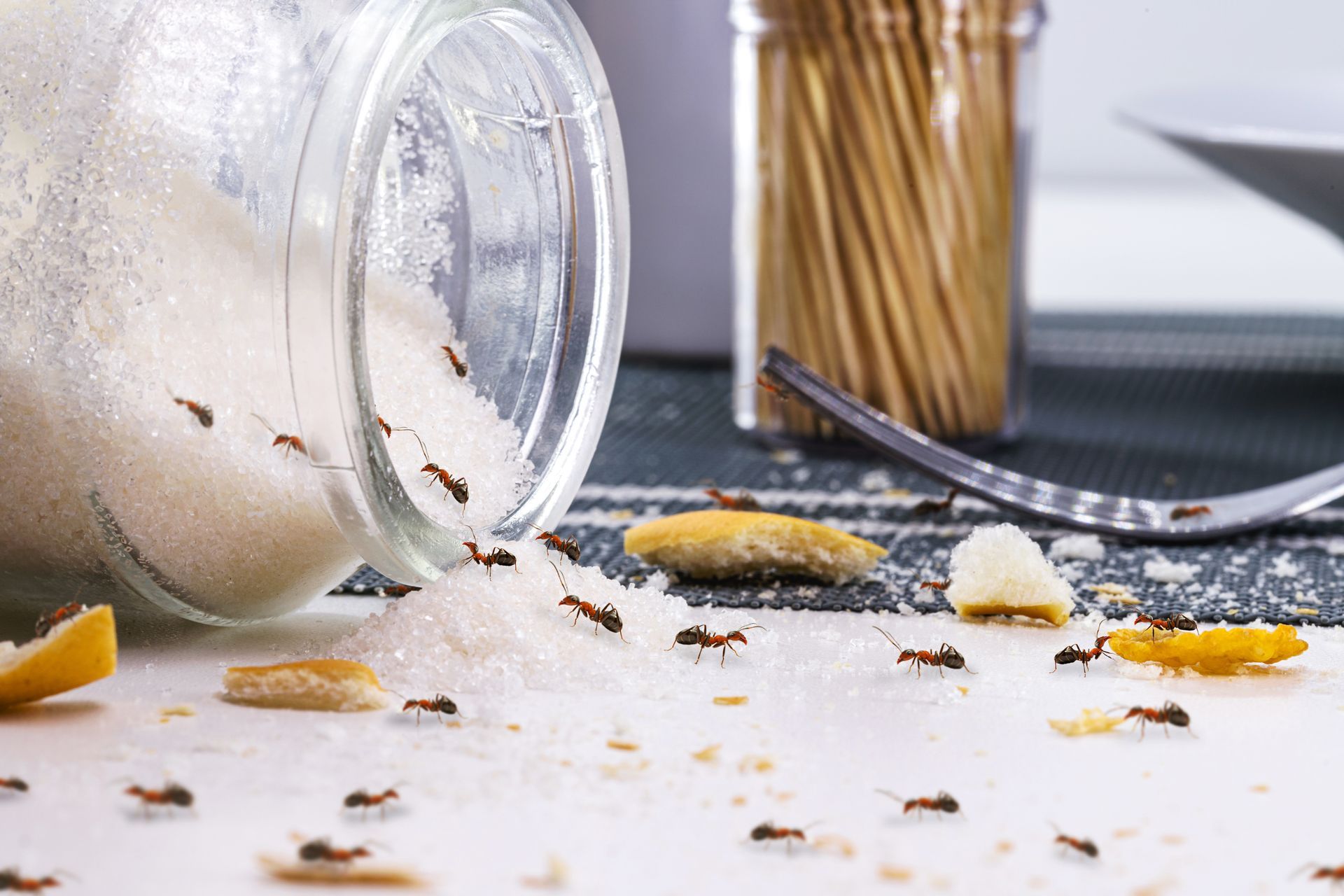
Find out whether killing ants inside your home actually attracts more of them, and learn what truly works to keep ant infestations under control.
By Killo Exterminating Co., Inc. • May 18, 2026
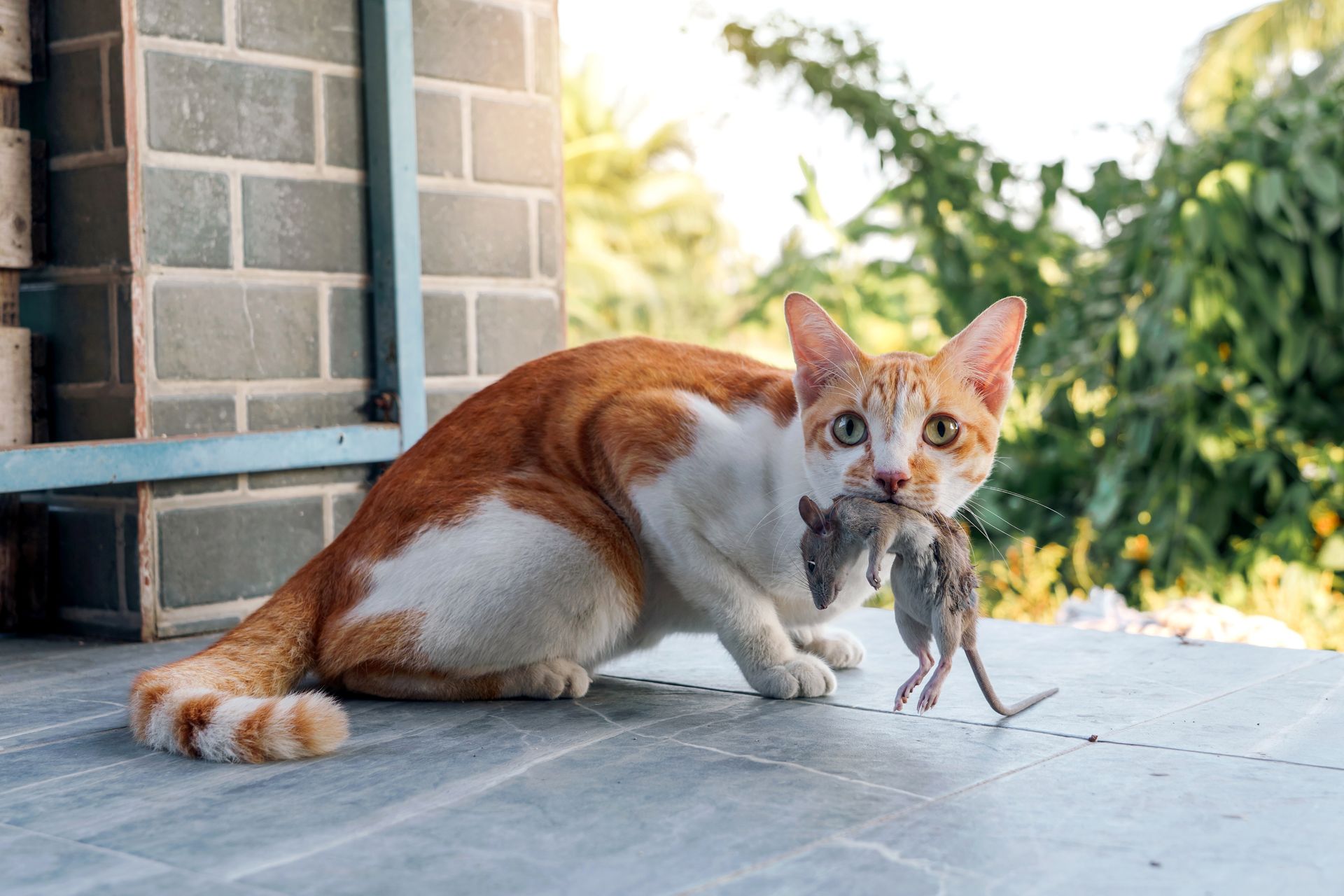
Do cats keep mice away for good? Learn what a cat can and cannot do for mouse control, why mice still enter homes, and what actually prevents infestations.
By Killo Exterminating Co., Inc. • May 7, 2026
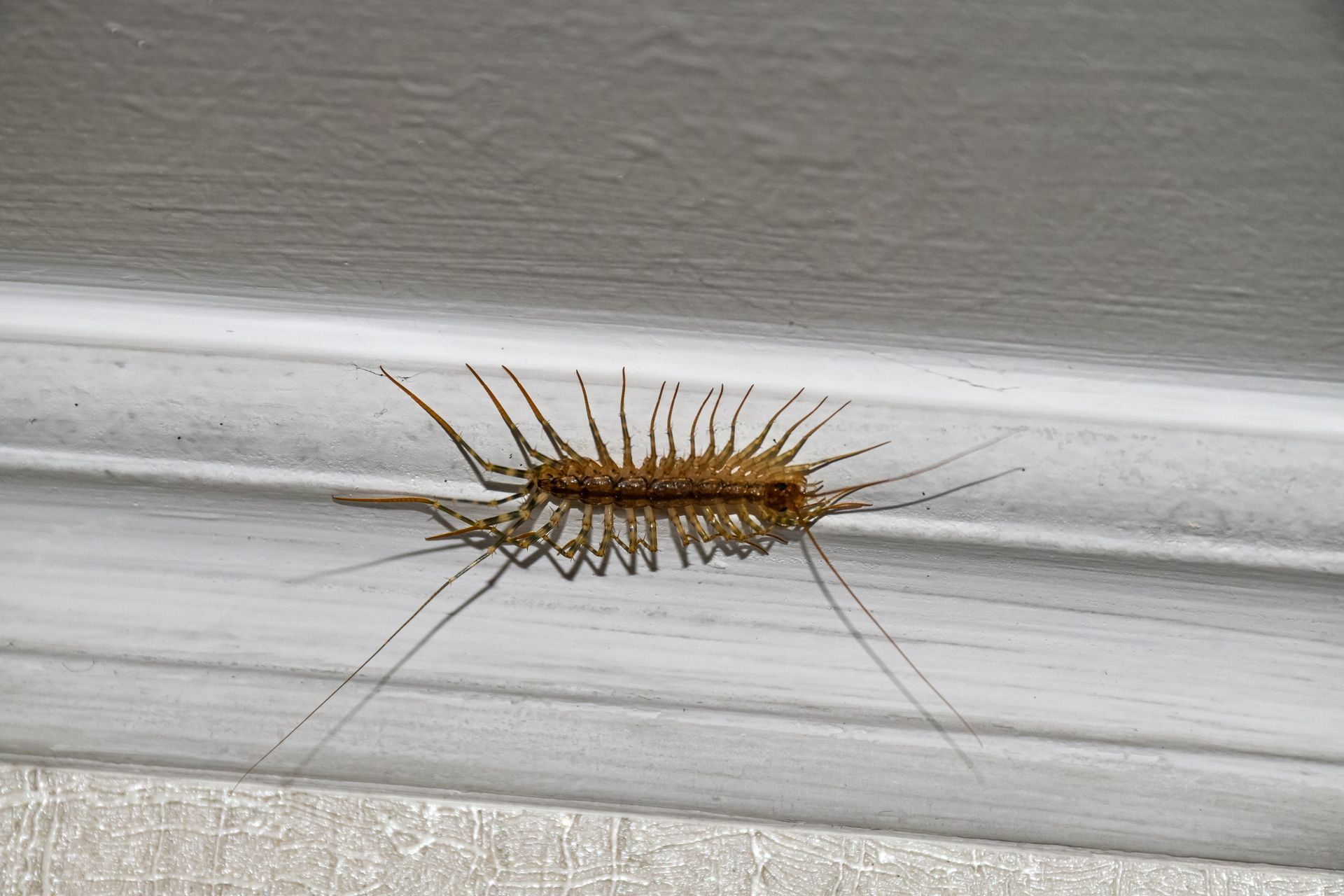
Learn what attracts house centipedes to homes, including moisture, prey insects, and hiding places. Get practical prevention steps and know when to call Killo Exterminating Co., Inc. for professional pest control.
By Killo Exterminating Co., Inc. • March 23, 2026
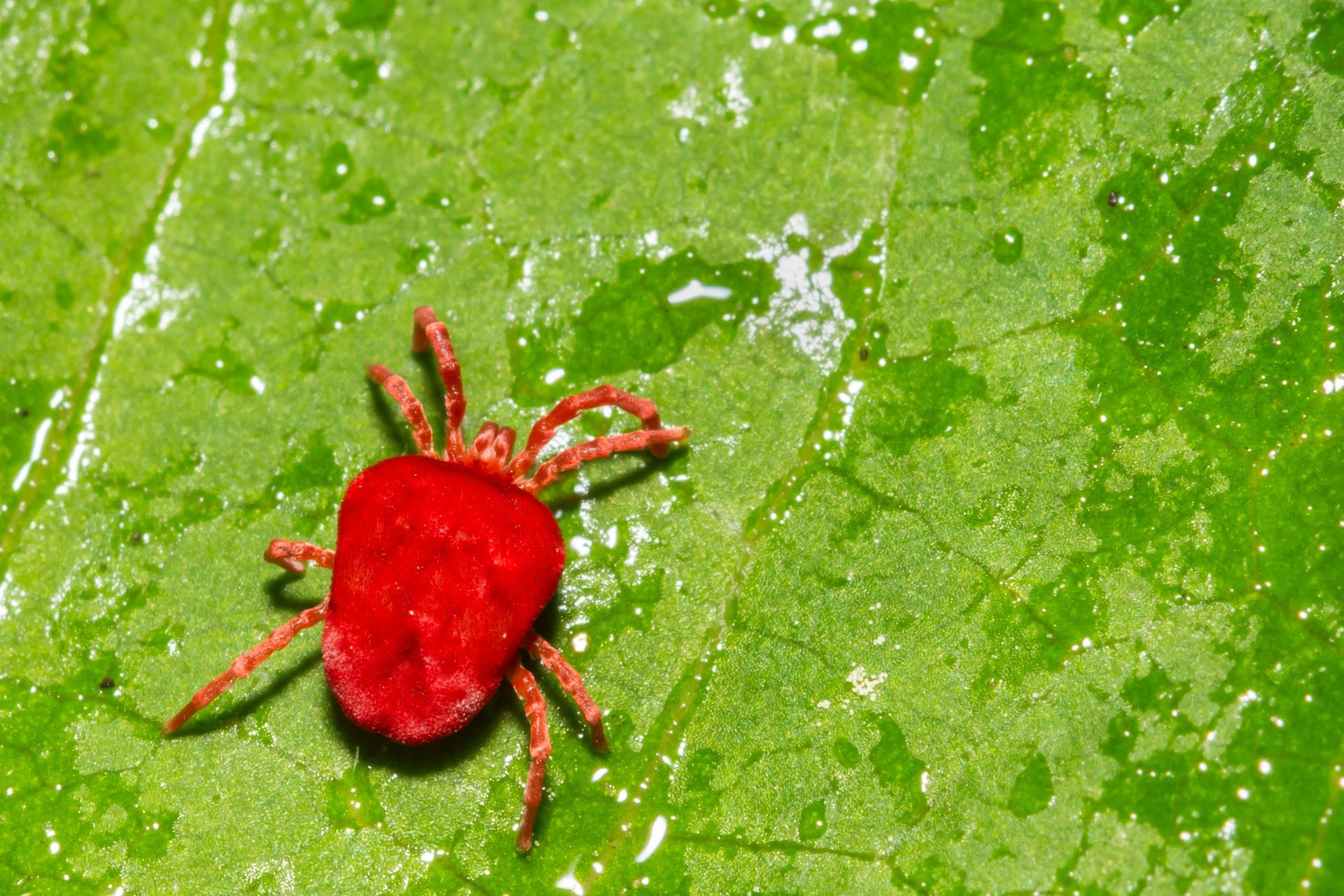
Chigger problems are an often overlooked but highly uncomfortable issue for homeowners in Charlotte and the surrounding areas. These tiny pests are barely visible to the naked eye, but can cause significant irritation and discomfort. Understanding how to identify chigger activity, prevent future infestations, and implement effective treatment methods is essential for maintaining a safe and enjoyable outdoor environment. At Killo Exterminating Co Inc, we specialize in addressing all kinds of pest issues, including seasonal and environmental nuisances like chiggers. Understanding Chiggers Chiggers are the larval stage of mites belonging to the Trombiculidae family. While adult mites are harmless, the larval stage poses a problem due to their feeding habits. Contrary to popular belief, chiggers do not burrow into the skin. Instead, they attach themselves to the skin surface and inject digestive enzymes that break down skin cells. This process causes an intense itching sensation and red welts, which are commonly mistaken for insect bites or rashes. Chiggers thrive in humid, warm climates and prefer areas with tall grasses, dense shrubs and moist leaf litter. These conditions are common throughout Charlotte, especially during the spring and summer months. Their presence is most noticeable in parks, trails, backyards and even golf courses. Signs of Chigger Activity One of the most frustrating aspects of dealing with chiggers is that their presence often goes unnoticed until after exposure. Since chiggers are less than 1/150th of an inch, they are nearly invisible without magnification. The signs of a chigger problem become apparent through the symptoms experienced by those who have been exposed. Common Indicators Include: Clusters of red itchy welts, particularly around areas where clothing is tight, such as the waistband, ankles, underarms, or behind the knees Delayed skin reaction, itching, and swelling often begin several hours after initial exposure Outdoor exposure correlation symptoms commonly appear after spending time in wooded, grassy, or damp areas Although the symptoms are not dangerous to overall health, they can cause intense discomfort and lead to secondary infections from scratching. For individuals with sensitive skin or allergies, the irritation may be even more pronounced. Where Chiggers Hide in Charlotte Properties Charlotte’s warm temperate climate provides an ideal environment for chiggers to thrive from late spring through early fall. They are commonly found in: Overgrown lawns or neglected garden beds Thick vegetation near property lines or fences Areas with poor drainage or consistent moisture Leaf piles, mulch beds, or groundcover Heavily shaded areas beneath trees or dense shrubbery How to Prevent Chigger Infestations Prevention is the most effective strategy when it comes to chigger control. While it may be difficult to completely eliminate chiggers in outdoor areas, you can significantly reduce their population and limit contact. Lawn Maintenance Keeping your lawn well-maintained is critical. Regular mowing and edging help reduce tall grasses and dense foliage where chiggers typically live. Trimming back shrubs and removing excess groundcover can also limit suitable habitats. Eliminate Moisture Since chiggers prefer moist environments, ensure your property has proper drainage. Repair any leaky spigots or downspouts and avoid overwatering your lawn. Consider adding gravel or stone barriers between wooded areas and your lawn to reduce migration. Protective Clothing When spending time outdoors, especially in wooded or grassy areas, wear long sleeves, pants, and closed-toe shoes. Tucking pants into socks and shirts into pants can reduce skin exposure. Treating clothing with permethrin or using DEET-based insect repellents can also help deter chiggers. Pet Control Pets that spend time outdoors may inadvertently carry chiggers into your home. Regularly check your pets and consider using veterinarian-approved flea and tick treatments that also help repel mites. Effective Chigger Treatments for Your Property If you suspect your property is experiencing a chigger problem, it is important to take targeted action. While over-the-counter insecticides may provide temporary relief, professional pest control services offer a more thorough and long-term solution. Step One: Inspection A professional inspection is crucial to confirm the presence of chiggers and identify high-risk areas. At Killo Exterminating Co Inc, our technicians perform comprehensive evaluations to assess the level of infestation and determine the contributing environmental conditions. Step Two: Customized Treatment Plan Based on the inspection results, we develop a tailored treatment plan designed to address the unique characteristics of your property. This typically includes the use of targeted residual insecticides that focus on high-traffic chigger zones such as tall grass, mulch beds, and shaded areas. Step Three: Follow-Up and Monitoring Chigger control is not a one-time event. Our team provides follow-up services to monitor progress and make adjustments as needed. Education is also an important part of the process. We work closely with homeowners to promote best practices in lawn care and pest prevention. What to Do if You Have Been Bitten If you have already experienced chigger bites, the good news is that they are self-limiting and usually resolve within one to two weeks. However, managing the symptoms can improve comfort and reduce the risk of complications. Recommended Treatments: Wash the affected area with soap and water to remove any lingering chiggers Apply anti-itch creams such as calamine lotion, hydrocortisone cream, or antihistamine gels Avoid scratching to prevent secondary infection Cool compresses can soothe inflamed skin and reduce itching If you experience excessive swelling or signs of infection, consult a healthcare provider for further treatment. Why Professional Help Is Often Necessary DIY solutions may provide temporary relief, but they often fail to address the root causes of chigger infestations. Without a clear understanding of the pest’s habitat and behavior, it is easy to overlook critical areas during treatment. Professional pest control companies like Killo Exterminating Co Inc offer the expertise, tools, and experience needed to provide effective long-term solutions. With decades of experience in pest management across the Charlotte area, our team is equipped to handle even the most persistent chigger problems. We understand the unique environmental conditions of the region and apply industry-leading practices that prioritize safety and sustainability. The Killo Exterminating Co Inc Advantage Choosing the right pest control provider can make a significant difference in the quality and longevity of your results. At Killo Exterminating Co Inc, we are committed to delivering exceptional service from start to finish. Our approach is based on transparency, thoroughness and a dedication to customer satisfaction. Clients benefit from: Licensed and highly trained technicians Environmentally responsible pest management Custom treatment plans for each property Ongoing support and preventative recommendations Local expertise grounded in years of service to Charlotte and surrounding communities Whether you are currently dealing with a chigger infestation or simply want to safeguard your property, our team is ready to assist. Take Control of Chigger Problems with Expert Help Today Chigger problems in Charlotte are more than just a seasonal annoyance. They can impact outdoor enjoyment, disrupt daily comfort and even lead to secondary health concerns if not properly managed. Recognizing the signs of a chigger infestation and taking proactive steps to treat and prevent it are essential components of effective pest control. By partnering with experienced professionals like those at Killo Exterminating Co Inc, you gain the peace of mind that comes from knowing your property is protected by experts. From thorough inspections to strategic treatments and ongoing support, we provide everything you need to manage chigger issues with confidence.  For more information or to schedule an inspection, contact Killo Exterminating Co Inc today and take the first step toward a safer, more comfortable outdoor environment.
drain fly
By Killo Exterminating Co., Inc. • March 23, 2026
Discover how to identify drain flies and effectively remove them from your home or business in Charlotte NC. Expert advice from Killo Exterminating Co Inc.
are cockroaches harmful
By Killo Exterminating Co., Inc. • March 23, 2026
Learn the real risks of a cockroach infestation and how Killo Exterminating Co., Inc. helps eliminate roaches and prevent their return.
By Killo Exterminating Co., Inc. • December 10, 2025
Learn how to protect your home from carpenter bees with expert prevention strategies from Killo Exterminating Co., Inc. Preserve your wood structures and avoid costly repairs.
ants in house
By Killo Exterminating Co., Inc. • December 10, 2025
Learn what attracts ants to your home, including food sources, moisture, and structural access points. Discover effective prevention strategies from Killo Exterminating Co., Inc.