
Wasp Nest vs Hornet Nest: Can You Tell the Difference?
For most homeowners, the discovery of a stinging insect nest on their property triggers an immediate reaction: alarm. Yet before taking any action, it is worth pausing to understand exactly what you are dealing with. Wasp nests and hornet nests are frequently confused with one another, and that confusion is entirely understandable. Both insects belong to the same family, both build papery structures, and both can deliver painful stings. However, the differences between them are meaningful, and recognizing them can inform how you respond and whom you call for help.
Understanding the Insects Behind the Nests
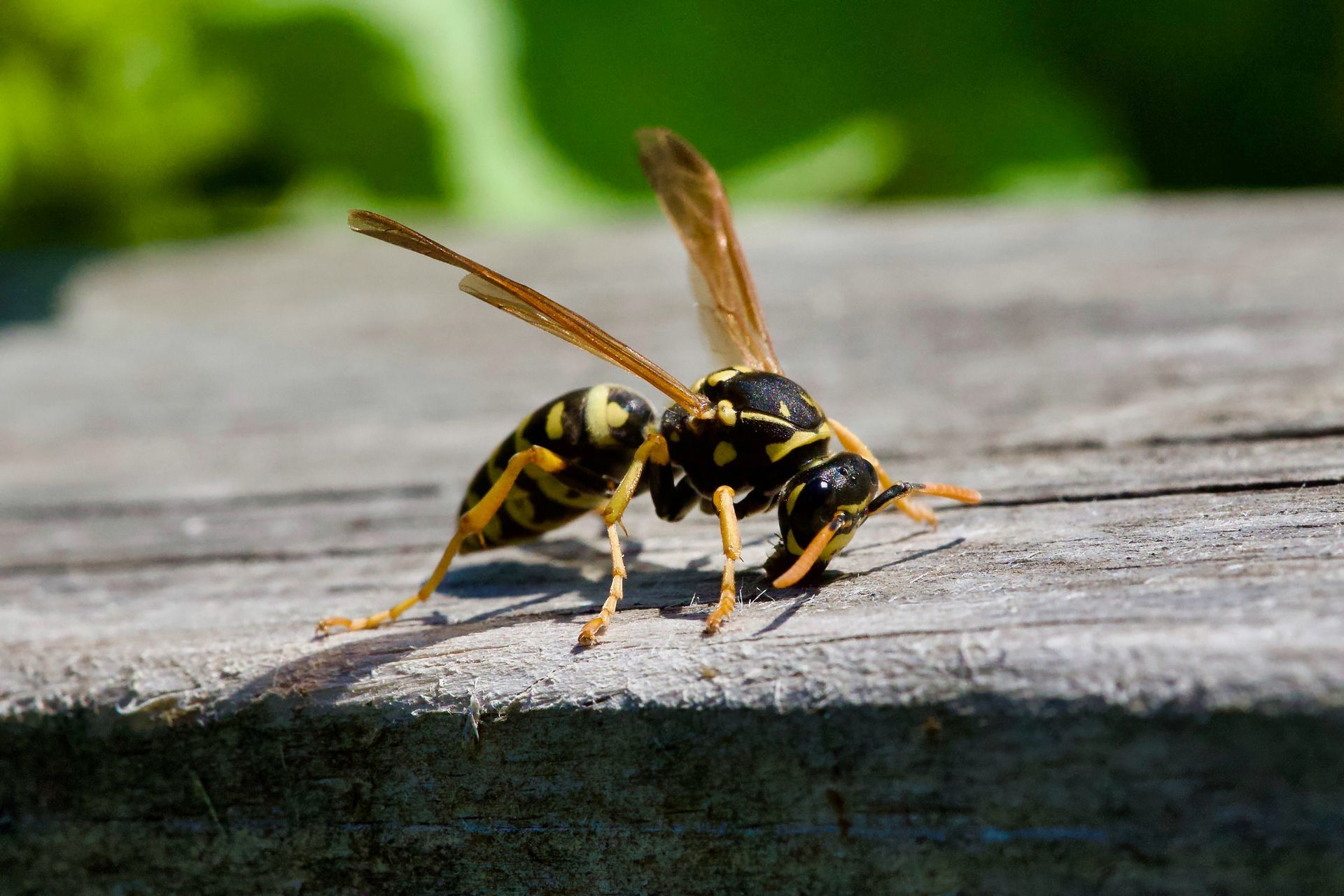
To distinguish the nests, it helps first to understand the insects themselves. Wasps are a broad category of stinging insects that includes species such as yellow jackets and paper wasps. They tend to have slender, elongated bodies with a narrow waist and smooth, shiny skin marked with yellow and black patterns. Hornets, on the other hand, are technically a subset of wasps, but they are generally larger in size, more robust in body shape, and can display markings that range from black and white to reddish brown.
The most common hornet encountered in North America is the bald-faced hornet, which is not a true hornet at all but is classified as one due to its size and behavior. The European hornet, which has also established itself in many parts of the United States, is the only true hornet found on the continent. Understanding this distinction matters because hornet colonies tend to be more aggressive when disturbed, and their nests are typically larger and more architecturally complex than those built by common wasps.
The Physical Appearance of Wasp Nests
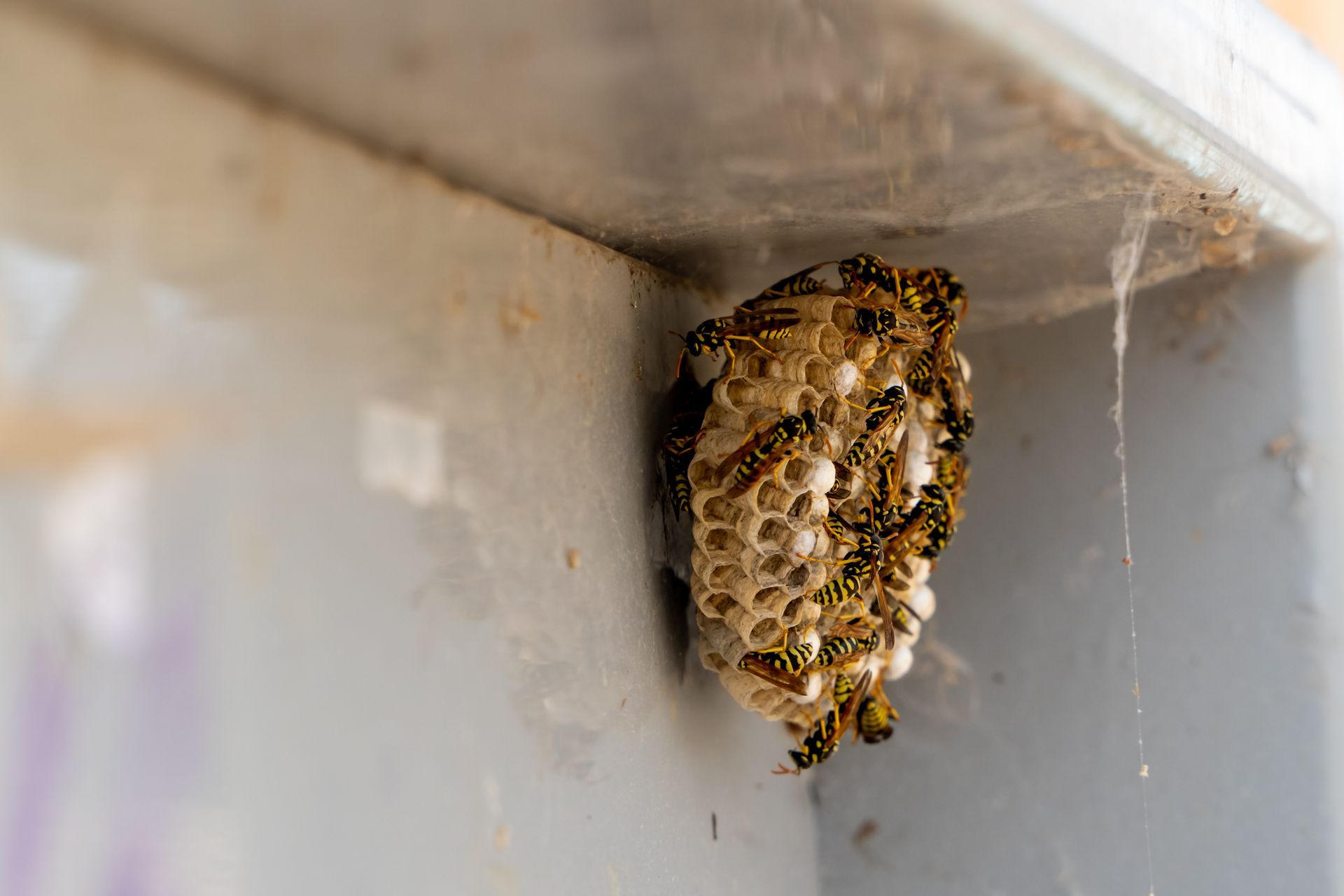
Wasp nests vary considerably depending on the species, but they share several identifiable characteristics. Paper wasps, for example, construct open, umbrella-shaped nests resembling a honeycomb with visible cells. These nests are often found hanging from eaves, porch ceilings, window frames, and tree branches. They are typically small, ranging from the size of a golf ball to a dinner plate, and they are not enclosed in any outer covering. The cells are clearly visible from the outside, and the paper material used to build them is thin and fragile.
Yellow jackets build a very different style of nest. Their colonies are enclosed in a papery outer shell and can be found both above ground and below it. Underground yellow jacket nests are particularly hazardous because they are difficult to spot until you are already too close. Above ground, yellow jacket nests can be found tucked inside wall cavities, attic spaces, and dense shrubbery. The outer surface of a yellow jacket nest has a layered, swirling texture that resembles wood grain, and the color is usually gray or tan.
Key identifying features of wasp nests include:
- Open cell structure with no outer covering, particularly in paper wasp nests
- Small to medium size, rarely exceeding the diameter of a large dinner plate
- Located in sheltered, elevated spots such as eaves and overhangs
- Thin, papery material that appears delicate and lightweight
- Gray or brownish coloring, depending on the materials gathered locally
The Physical Appearance of Hornet Nests
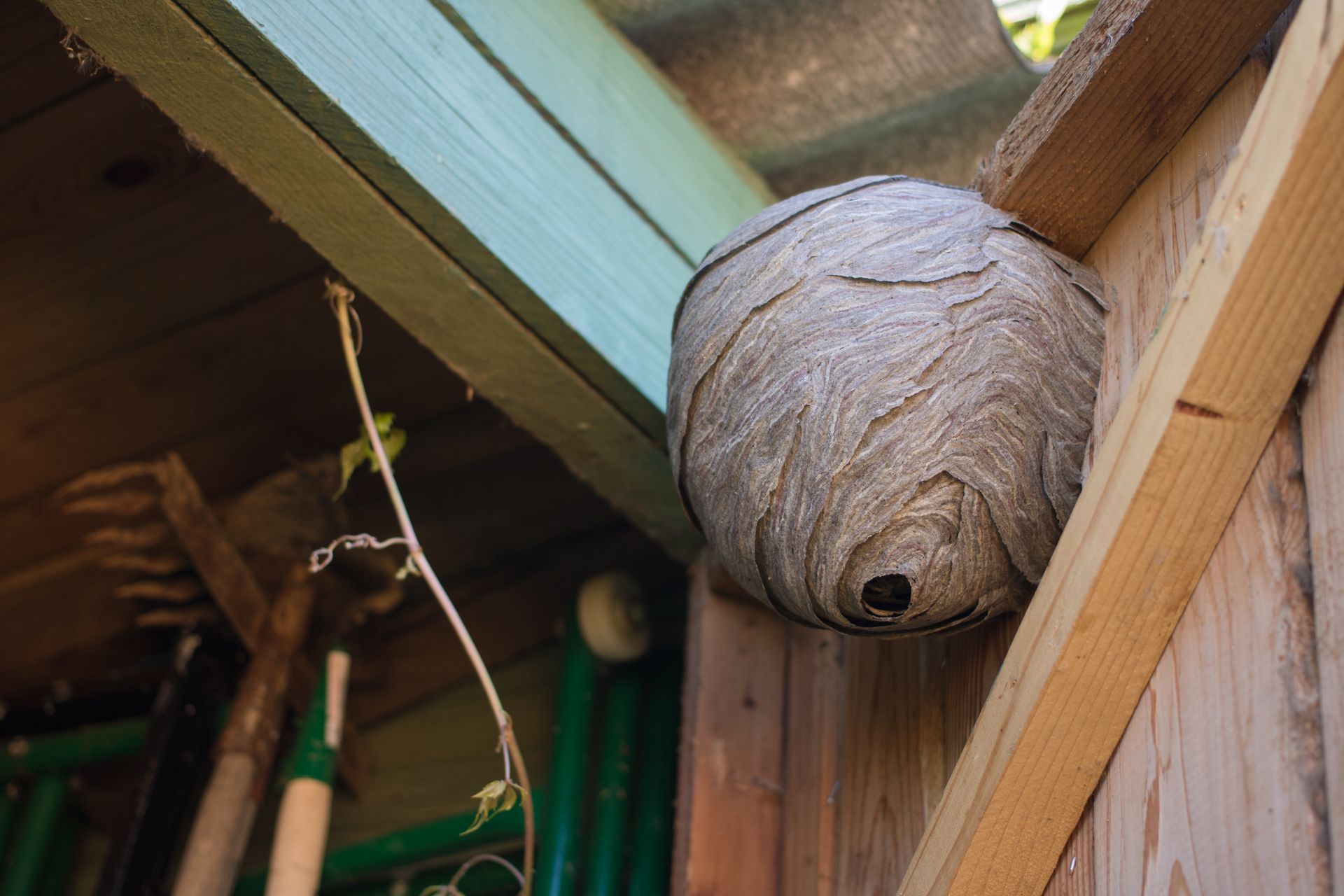
Hornet nests are generally larger and more enclosed than the nests built by most wasp species. The bald-faced hornet constructs a fully enclosed, football-shaped or teardrop-shaped nest that can grow to an impressive size by late summer, sometimes reaching the dimensions of a basketball or larger. These nests are almost always found hanging from trees, tall shrubs, utility poles, or the sides of buildings. The outer surface is layered with paper, giving it a slightly rough, uneven texture.
European hornet nests share a similar enclosed design but are more commonly found in hollow trees, wall voids, and attic spaces rather than hanging openly in the air. The material used by hornets to construct their nests tends to be a bit coarser and darker than that used by paper wasps, owing to the difference in wood pulp sources that the insects prefer. Inside both types of hornet nest, multiple layers of comb are suspended vertically, and the entire structure is wrapped in a thick outer envelope for insulation and protection.
Key identifying features of hornet nests include:
- Fully enclosed outer shell with a single entry and exit point near the bottom
- Large size, often resembling a football or teardrop in shape
- Found hanging from trees or concealed within wall voids and hollow structures
- Thicker, more substantial papery material compared to paper wasp nests
- Gray coloring with a layered, scalloped texture on the outer surface
Location and Seasonal Behavior
Where a nest is located can offer strong clues about what type of insect built it. Paper wasp nests are almost always found in open, visible locations where they are attached to a single anchor point. If you spot a small, open comb structure hanging from a horizontal surface, it is very likely the work of paper wasps. Yellow jacket nests, by contrast, are often hidden from plain sight, whether underground in abandoned rodent burrows or tucked deep inside wall cavities.
Hornet nests are more likely to appear in elevated outdoor locations, particularly in trees and shrubs during the warmer months. Because they are enclosed and often quite large, they can sometimes be mistaken for decorative yard ornaments from a distance. However, a closer look at the surrounding air will usually reveal a steady stream of insects entering and exiting through the opening at the base.
Both wasps and hornets follow a similar seasonal lifecycle. Queens overwinter in sheltered locations and emerge in spring to begin building new colonies. Nest populations grow steadily through the summer months, reaching their peak in late summer and early fall. This is also the period during which these insects are most aggressive, as the colony works to protect a large number of larvae and the food stores needed to sustain them. By late autumn, most workers and males die off, leaving only fertilized queens to survive the winter.
Risk Levels and Why Size Matters
The size of a nest is a reliable indicator of the risk level it presents. A small paper wasp nest with fewer than a dozen occupants is a very different situation from a mature hornet nest housing several hundred insects. Both can sting repeatedly without losing the stinger, unlike honey bees, which means a single insect can inflict multiple stings in rapid succession.
Hornets, due to their larger size, deliver a more painful sting and can inject a greater volume of venom per strike. For individuals who are allergic to insect venom, even a single sting from either a wasp or a hornet can trigger a severe anaphylactic reaction that requires immediate medical attention. For those without known allergies, multiple stings can still cause significant swelling, pain, and in rare cases, systemic reactions.
Factors that increase the risk of a dangerous encounter include:
- Proximity of the nest to high traffic areas such as doorways, patios, and play areas
- Large colony size, which increases the number of defensive insects available
- Disturbing the nest accidentally through lawn mowing, trimming, or other yard work
- Attempting to remove a nest without proper protective equipment or training
- The presence of children or pets who may unknowingly approach the nest
Common Mistakes When Identifying Nests
One of the most frequent errors people make is assuming that any papery nest attached to their home belongs to the same species. The differences in structure, location, and size discussed above offer important guidance, but identification from a distance is not always reliable. Some species vary in appearance depending on the age of the nest, the materials available in the local environment, and the size of the colony at any given point in the season.
Another common mistake is treating nest removal as a straightforward do-it-yourself task. Hardware stores sell aerosol insecticides designed for stinging insect nests, and while these products can be effective under very specific conditions, they also carry significant risks. Applying them incorrectly, using them at the wrong time of day, or failing to account for hidden nest entrances can trigger a sudden, aggressive defensive response from the colony. Professional pest control technicians have the training, protective equipment, and knowledge of insect behavior needed to approach nest removal safely and effectively.
What to Do If You Find a Nest
If you discover what you believe to be a wasp or hornet nest on your property, the most important first step is to leave it alone and keep others away from the area. Do not attempt to knock it down, spray it with water, or cover it with any material. Any disturbance, even a vibration caused by a nearby lawn mower, can trigger an aggressive defensive response.
Observe the nest from a safe distance and take note of the following:
- The approximate size and shape of the nest structure
- The location, including whether it is above ground, underground, or inside a structure
- The color and texture of the outer surface
- The size and coloring of the insects you observe entering and exiting
- The level of activity, particularly whether the insects appear agitated
This information will be valuable when you contact a pest control professional. Providing an accurate description allows the technician to arrive prepared with the right equipment and treatment strategy for the specific species involved.
Take Action Before the Problem Grows
Wasp and hornet colonies grow larger with every passing week of the warm season. A nest that appears manageable in June can become a serious hazard by August. At Killo Exterminating Co., Inc., the professional team has extensive experience identifying, assessing, and safely removing stinging insect nests of all types. Do not wait until a minor nuisance becomes a genuine threat to your household. Contact a licensed pest control professional at the first sign of nest activity, and protect your property, your family, and your peace of mind before the colony has a chance to grow.