
Do Wasps Die In The Winter?

Killo Exterminating Co., Inc. • August 13, 2026

As temperatures begin to drop across North Carolina, many residents notice that wasp activity around their homes slows. It is a welcome relief after months of navigating these stinging insects near porches, eaves, and outdoor dining areas. But a common question arises: do wasps actually die in the winter, or are they simply waiting for warmer weather to return? 


The Short Answer: Most Do, But Not All


The majority of wasps in a colony do die off as winter sets in. Worker wasps, which are the ones you typically encounter buzzing around your yard or food, have a lifespan that ends when cold weather arrives and food sources disappear. However, the colony does not simply cease to exist entirely. Fertilized queen wasps survive the winter by entering a dormant state known as diapause, sheltering in protected locations until conditions become favorable again.

What Happens to the Colony in Fall

As autumn arrives in North Carolina, the lifecycle of a wasp colony reaches its natural conclusion. Several key events unfold during this period:

  • New queens are produced: Late summer and early fall trigger the colony to produce new reproductive females, which will become the queens of future colonies.
  • Mating occurs: These new queens mate with male wasps before the cold fully sets in.
  • Worker wasps die off: Without a queen actively laying eggs and with food becoming scarce, worker wasps gradually die. They do not migrate or hibernate.
  • The original queen dies: The colony's founding queen also perishes as the season ends.
  • The nest is abandoned: Once the workers are gone, the nest itself is left empty. Wasps do not reuse old nests the following year.

This natural die-off means that by the time true winter arrives in North Carolina, the active nest is no longer a threat. However, the process is gradual, and mild fall temperatures in this region can extend wasp activity well into November.

Where Do Surviving Queens Go?

Fertilized queens seek out sheltered, insulated spaces to wait out the winter months. In natural settings, this might mean beneath tree bark, inside rotting logs, or under leaf litter. In residential and commercial settings, however, queens frequently find their way into structures. Common overwintering locations include:

  • Attics and wall voids
  • Behind siding and under roof eaves
  • Inside sheds, garages, and outbuildings
  • Beneath decks and in crawl spaces
  • Inside dense vegetation close to foundations

North Carolina's relatively mild winters compared to states further north mean that queens may become briefly active during warm spells before returning to dormancy. This is why some residents spot a lone wasp indoors during an unseasonably warm winter day. That individual is almost certainly an overwintering queen that has been disturbed by rising temperatures inside the home.

Why Spring Is the Critical Moment

When spring arrives and temperatures climb consistently, overwintering queens emerge and immediately begin searching for nesting sites. A single queen can establish an entirely new colony on her own. She selects a location, constructs the initial cells of a new nest, and begins laying eggs. Within weeks, a new generation of worker wasps hatches and takes over the expansion of the nest.

This is why spring is the most important time to address potential nesting sites around your property. By the time you notice a large, active nest in summer, the colony has already been growing for months. Early intervention is far more effective and far less disruptive than dealing with an established nest at peak activity.

Common Wasp Species in North Carolina

Understanding which species are present in this region helps clarify what to expect. North Carolina is home to several wasp species that behave somewhat differently from one another:

  • Yellow Jackets: Among the most aggressive and commonly encountered wasps in the state. They frequently nest underground or inside wall voids, making them difficult to detect until the colony is large.
  • Bald-Faced Hornets: Technically a type of yellow jacket, these wasps build the large, papery aerial nests often seen hanging from tree branches or building overhangs. Their colonies can grow to several hundred individuals.
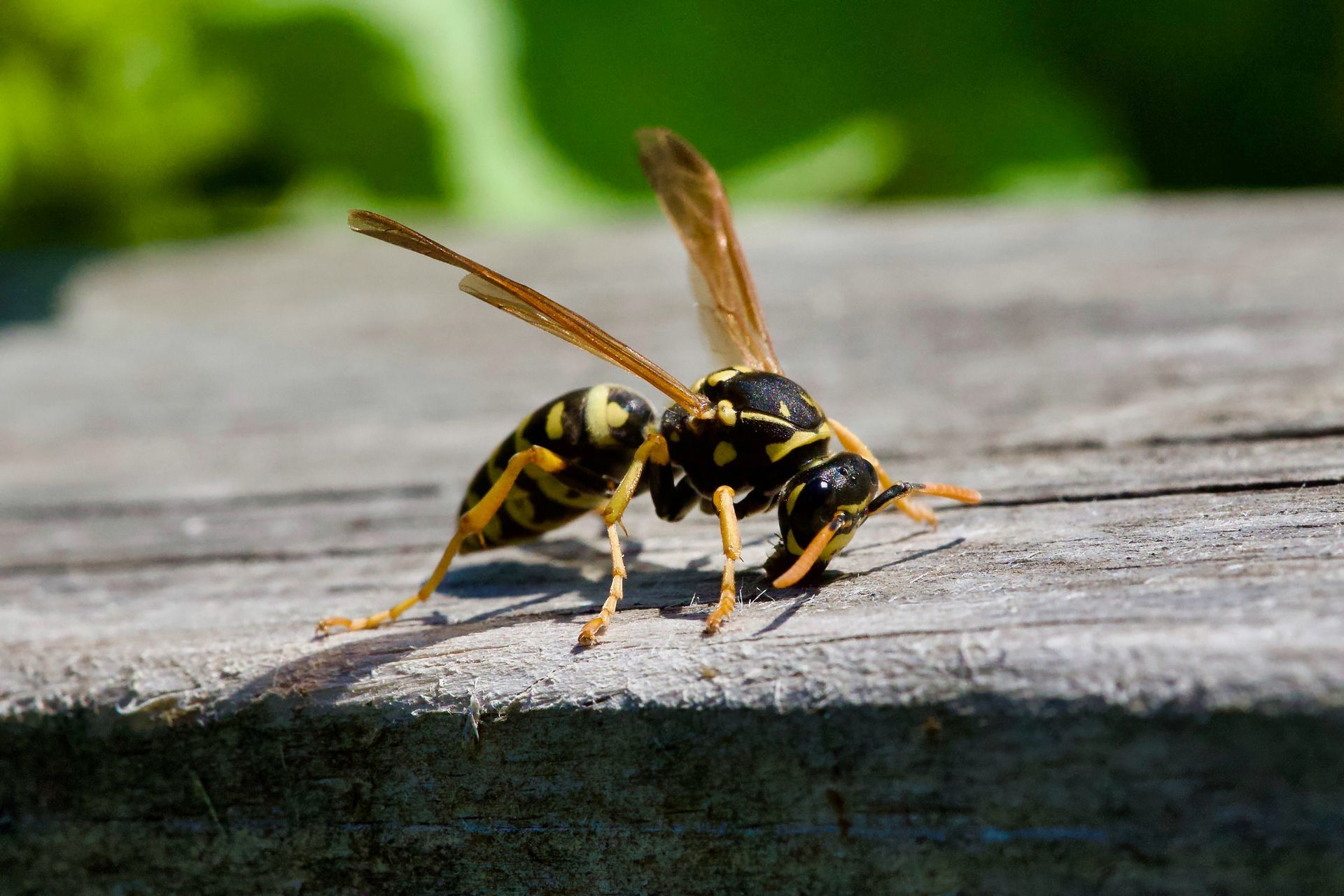
  • European Paper Wasps: These are the wasps most often seen building small, open comb nests under eaves, in gutters, and around window frames. They are less aggressive than yellow jackets but will sting if disturbed.
  • Eastern Cicada Killers: Large and intimidating in appearance, these solitary wasps are far less aggressive than social species. Females dig burrows in the ground to provision with paralyzed cicadas for their larvae.

Each of these species follows the same general winter pattern, with fertilized queens surviving and workers dying off. However, the nesting habits of each species influence where problems are most likely to develop on your property.

Should You Remove a Nest in Winter?

Many homeowners wonder whether winter is a safe time to remove a visible wasp nest. Because the nest is abandoned by late fall, removal during winter is generally much lower risk than attempting it during the active season. With no workers present to defend the structure, the physical nest itself poses no stinging hazard.

That said, there are several reasons to approach this carefully:

  • Confirm the nest is truly inactive before approaching it. During mild periods, some activity may persist longer than expected in North Carolina.
  • Even an empty nest can attract new queens looking for a familiar, pre built structure. Removing it eliminates this possibility.
  • If the nest is inside a wall void or attic, removal is more complex and may require professional assessment to avoid structural concerns or secondary pest issues.

Winter inspection of your property is also an ideal time to identify and seal potential overwintering sites before queens become active again in spring. Gaps around siding, damaged soffits, and openings near rooflines are all points of entry worth addressing.

Take Action Before Wasps Return This Spring

The winter season offers a brief but valuable window to get ahead of wasp problems before they begin. The team at Killo Exterminating Co., Inc. has extensive experience helping North Carolina homeowners and property managers identify vulnerabilities, safely address existing nests, and implement proactive strategies tailored to the region's specific pest pressures. Do not wait until a colony is fully established and defensive to take action. Reaching out before spring arrives puts you in the strongest possible position to enjoy your outdoor spaces without the threat of stinging insects. Contact Killo Exterminating Co., Inc. today to schedule an inspection and start the season with confidence.
By Killo Exterminating Co., Inc. August 13, 2026
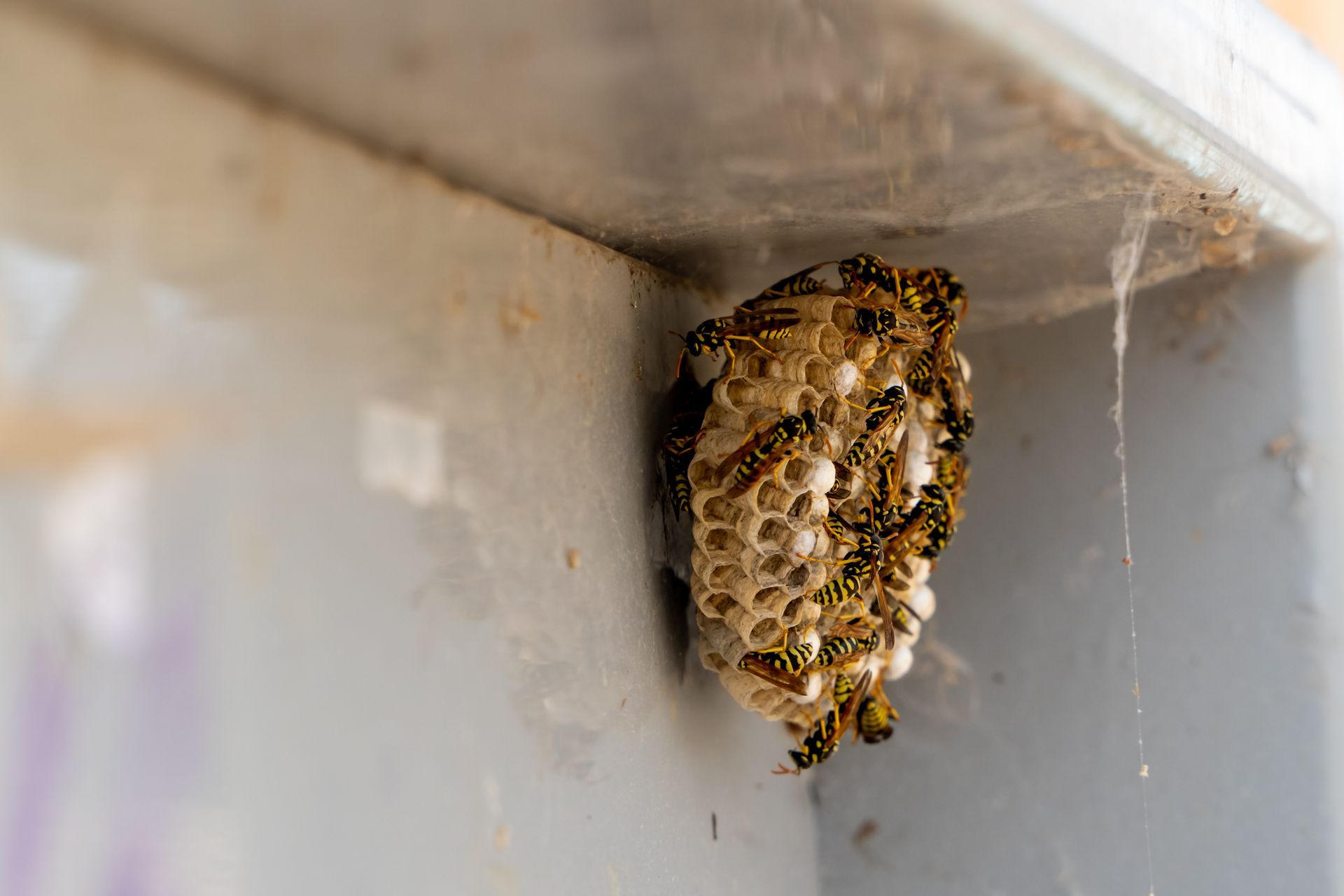
Learn how to tell the difference between wasp and hornet nests, where they are found, and why professional removal is always the safest choice.
By Killo Exterminating Co., Inc. August 13, 2026
Find out whether killing ants inside your home actually attracts more of them, and learn what truly works to keep ant infestations under control.
By Killo Exterminating Co., Inc. May 18, 2026
Do cats keep mice away for good? Learn what a cat can and cannot do for mouse control, why mice still enter homes, and what actually prevents infestations.
By Killo Exterminating Co., Inc. May 7, 2026
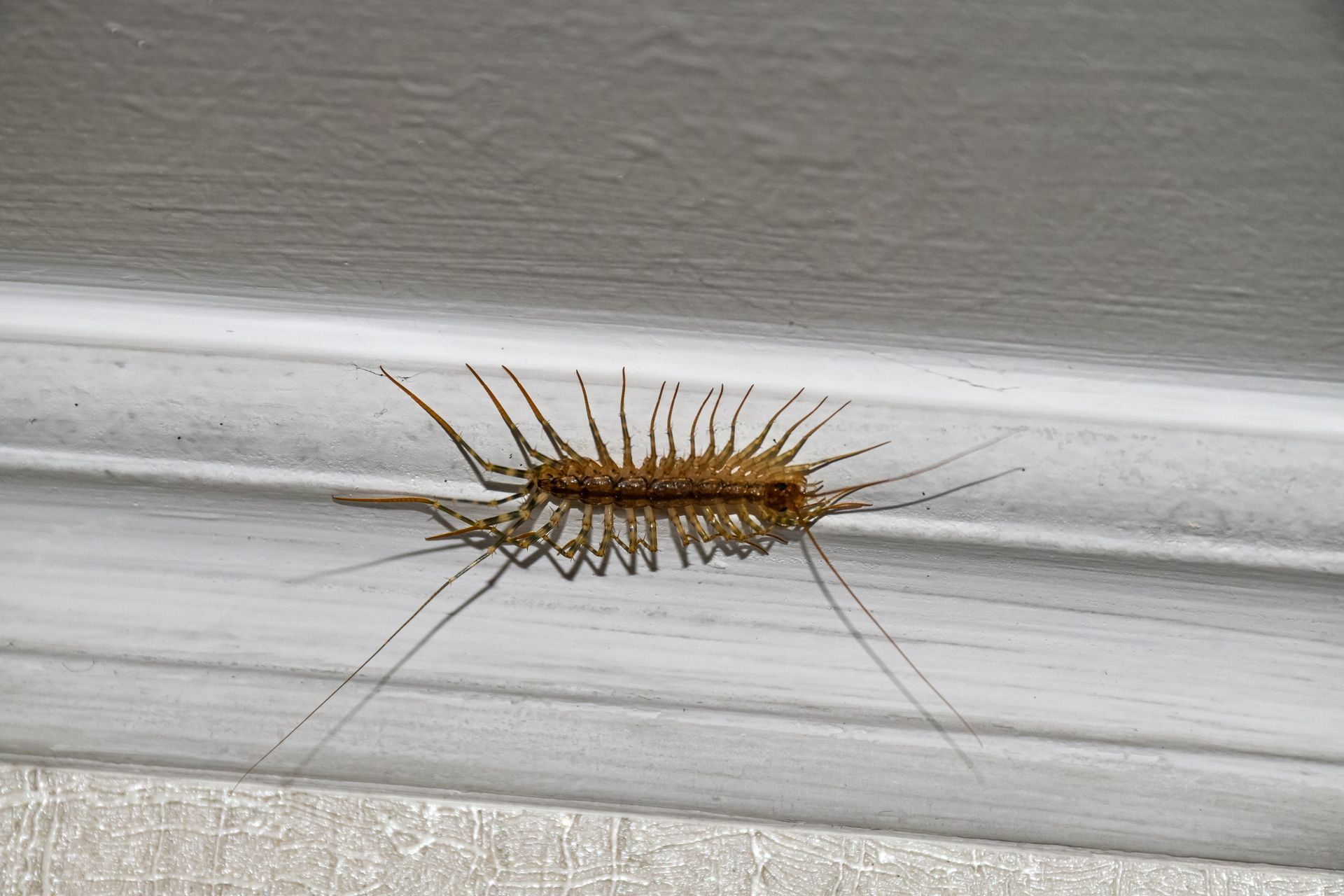
Learn what attracts house centipedes to homes, including moisture, prey insects, and hiding places. Get practical prevention steps and know when to call Killo Exterminating Co., Inc. for professional pest control.
By Killo Exterminating Co., Inc. March 23, 2026
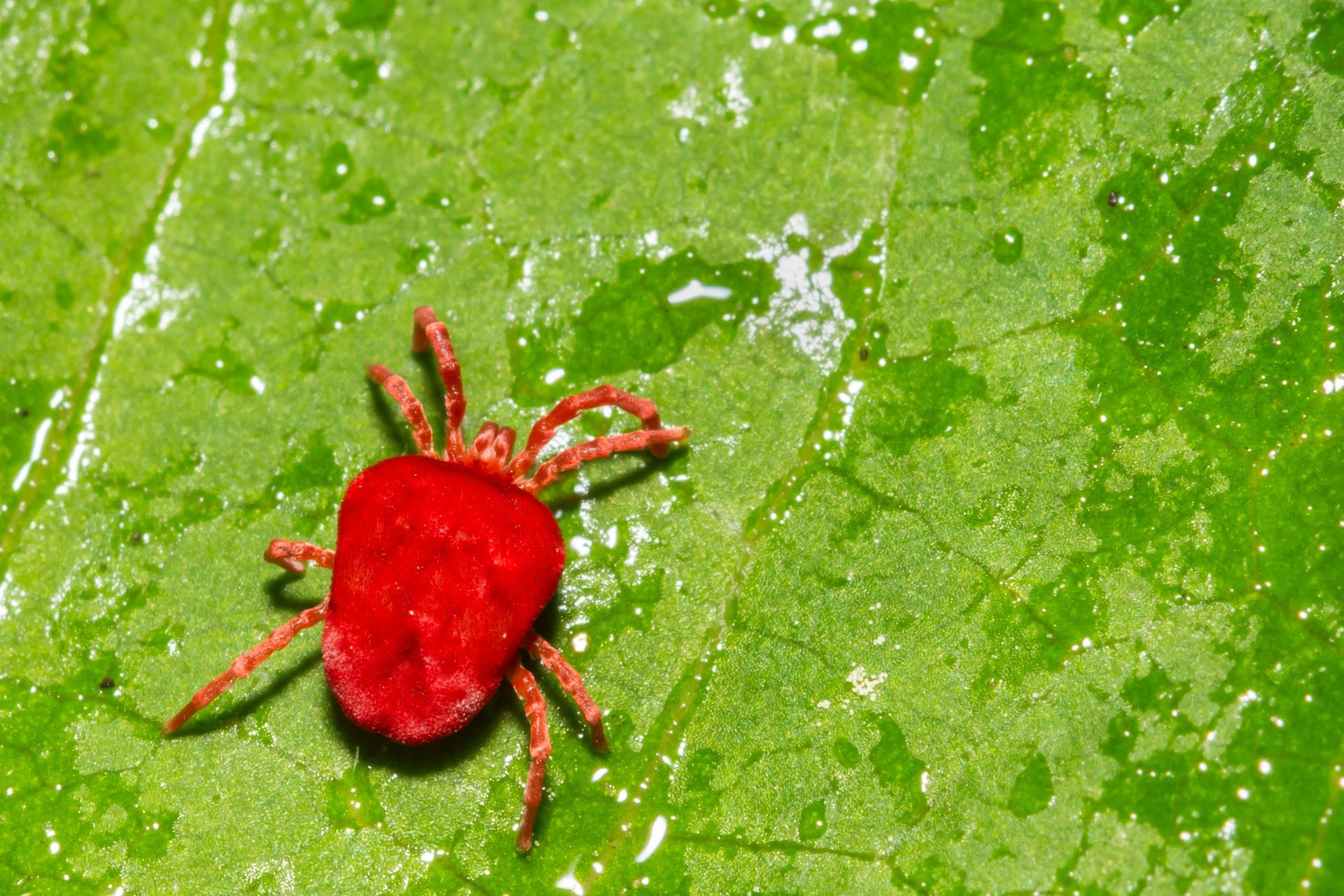
Chigger problems are an often overlooked but highly uncomfortable issue for homeowners in Charlotte and the surrounding areas. These tiny pests are barely visible to the naked eye, but can cause significant irritation and discomfort. Understanding how to identify chigger activity, prevent future infestations, and implement effective treatment methods is essential for maintaining a safe and enjoyable outdoor environment. At Killo Exterminating Co Inc, we specialize in addressing all kinds of pest issues, including seasonal and environmental nuisances like chiggers. Understanding Chiggers Chiggers are the larval stage of mites belonging to the Trombiculidae family. While adult mites are harmless, the larval stage poses a problem due to their feeding habits. Contrary to popular belief, chiggers do not burrow into the skin. Instead, they attach themselves to the skin surface and inject digestive enzymes that break down skin cells. This process causes an intense itching sensation and red welts, which are commonly mistaken for insect bites or rashes. Chiggers thrive in humid, warm climates and prefer areas with tall grasses, dense shrubs and moist leaf litter. These conditions are common throughout Charlotte, especially during the spring and summer months. Their presence is most noticeable in parks, trails, backyards and even golf courses. Signs of Chigger Activity One of the most frustrating aspects of dealing with chiggers is that their presence often goes unnoticed until after exposure. Since chiggers are less than 1/150th of an inch, they are nearly invisible without magnification. The signs of a chigger problem become apparent through the symptoms experienced by those who have been exposed. Common Indicators Include: Clusters of red itchy welts, particularly around areas where clothing is tight, such as the waistband, ankles, underarms, or behind the knees Delayed skin reaction, itching, and swelling often begin several hours after initial exposure Outdoor exposure correlation symptoms commonly appear after spending time in wooded, grassy, or damp areas Although the symptoms are not dangerous to overall health, they can cause intense discomfort and lead to secondary infections from scratching. For individuals with sensitive skin or allergies, the irritation may be even more pronounced. Where Chiggers Hide in Charlotte Properties Charlotte’s warm temperate climate provides an ideal environment for chiggers to thrive from late spring through early fall. They are commonly found in: Overgrown lawns or neglected garden beds Thick vegetation near property lines or fences Areas with poor drainage or consistent moisture Leaf piles, mulch beds, or groundcover Heavily shaded areas beneath trees or dense shrubbery How to Prevent Chigger Infestations Prevention is the most effective strategy when it comes to chigger control. While it may be difficult to completely eliminate chiggers in outdoor areas, you can significantly reduce their population and limit contact. Lawn Maintenance Keeping your lawn well-maintained is critical. Regular mowing and edging help reduce tall grasses and dense foliage where chiggers typically live. Trimming back shrubs and removing excess groundcover can also limit suitable habitats. Eliminate Moisture Since chiggers prefer moist environments, ensure your property has proper drainage. Repair any leaky spigots or downspouts and avoid overwatering your lawn. Consider adding gravel or stone barriers between wooded areas and your lawn to reduce migration. Protective Clothing When spending time outdoors, especially in wooded or grassy areas, wear long sleeves, pants, and closed-toe shoes. Tucking pants into socks and shirts into pants can reduce skin exposure. Treating clothing with permethrin or using DEET-based insect repellents can also help deter chiggers. Pet Control Pets that spend time outdoors may inadvertently carry chiggers into your home. Regularly check your pets and consider using veterinarian-approved flea and tick treatments that also help repel mites. Effective Chigger Treatments for Your Property If you suspect your property is experiencing a chigger problem, it is important to take targeted action. While over-the-counter insecticides may provide temporary relief, professional pest control services offer a more thorough and long-term solution. Step One: Inspection A professional inspection is crucial to confirm the presence of chiggers and identify high-risk areas. At Killo Exterminating Co Inc, our technicians perform comprehensive evaluations to assess the level of infestation and determine the contributing environmental conditions. Step Two: Customized Treatment Plan Based on the inspection results, we develop a tailored treatment plan designed to address the unique characteristics of your property. This typically includes the use of targeted residual insecticides that focus on high-traffic chigger zones such as tall grass, mulch beds, and shaded areas. Step Three: Follow-Up and Monitoring Chigger control is not a one-time event. Our team provides follow-up services to monitor progress and make adjustments as needed. Education is also an important part of the process. We work closely with homeowners to promote best practices in lawn care and pest prevention. What to Do if You Have Been Bitten If you have already experienced chigger bites, the good news is that they are self-limiting and usually resolve within one to two weeks. However, managing the symptoms can improve comfort and reduce the risk of complications. Recommended Treatments: Wash the affected area with soap and water to remove any lingering chiggers Apply anti-itch creams such as calamine lotion, hydrocortisone cream, or antihistamine gels Avoid scratching to prevent secondary infection Cool compresses can soothe inflamed skin and reduce itching If you experience excessive swelling or signs of infection, consult a healthcare provider for further treatment. Why Professional Help Is Often Necessary DIY solutions may provide temporary relief, but they often fail to address the root causes of chigger infestations. Without a clear understanding of the pest’s habitat and behavior, it is easy to overlook critical areas during treatment. Professional pest control companies like Killo Exterminating Co Inc offer the expertise, tools, and experience needed to provide effective long-term solutions. With decades of experience in pest management across the Charlotte area, our team is equipped to handle even the most persistent chigger problems. We understand the unique environmental conditions of the region and apply industry-leading practices that prioritize safety and sustainability. The Killo Exterminating Co Inc Advantage Choosing the right pest control provider can make a significant difference in the quality and longevity of your results. At Killo Exterminating Co Inc, we are committed to delivering exceptional service from start to finish. Our approach is based on transparency, thoroughness and a dedication to customer satisfaction. Clients benefit from: Licensed and highly trained technicians Environmentally responsible pest management Custom treatment plans for each property Ongoing support and preventative recommendations Local expertise grounded in years of service to Charlotte and surrounding communities Whether you are currently dealing with a chigger infestation or simply want to safeguard your property, our team is ready to assist. Take Control of Chigger Problems with Expert Help Today Chigger problems in Charlotte are more than just a seasonal annoyance. They can impact outdoor enjoyment, disrupt daily comfort and even lead to secondary health concerns if not properly managed. Recognizing the signs of a chigger infestation and taking proactive steps to treat and prevent it are essential components of effective pest control. By partnering with experienced professionals like those at Killo Exterminating Co Inc, you gain the peace of mind that comes from knowing your property is protected by experts. From thorough inspections to strategic treatments and ongoing support, we provide everything you need to manage chigger issues with confidence.  For more information or to schedule an inspection, contact Killo Exterminating Co Inc today and take the first step toward a safer, more comfortable outdoor environment.
drain fly
By Killo Exterminating Co., Inc. March 23, 2026
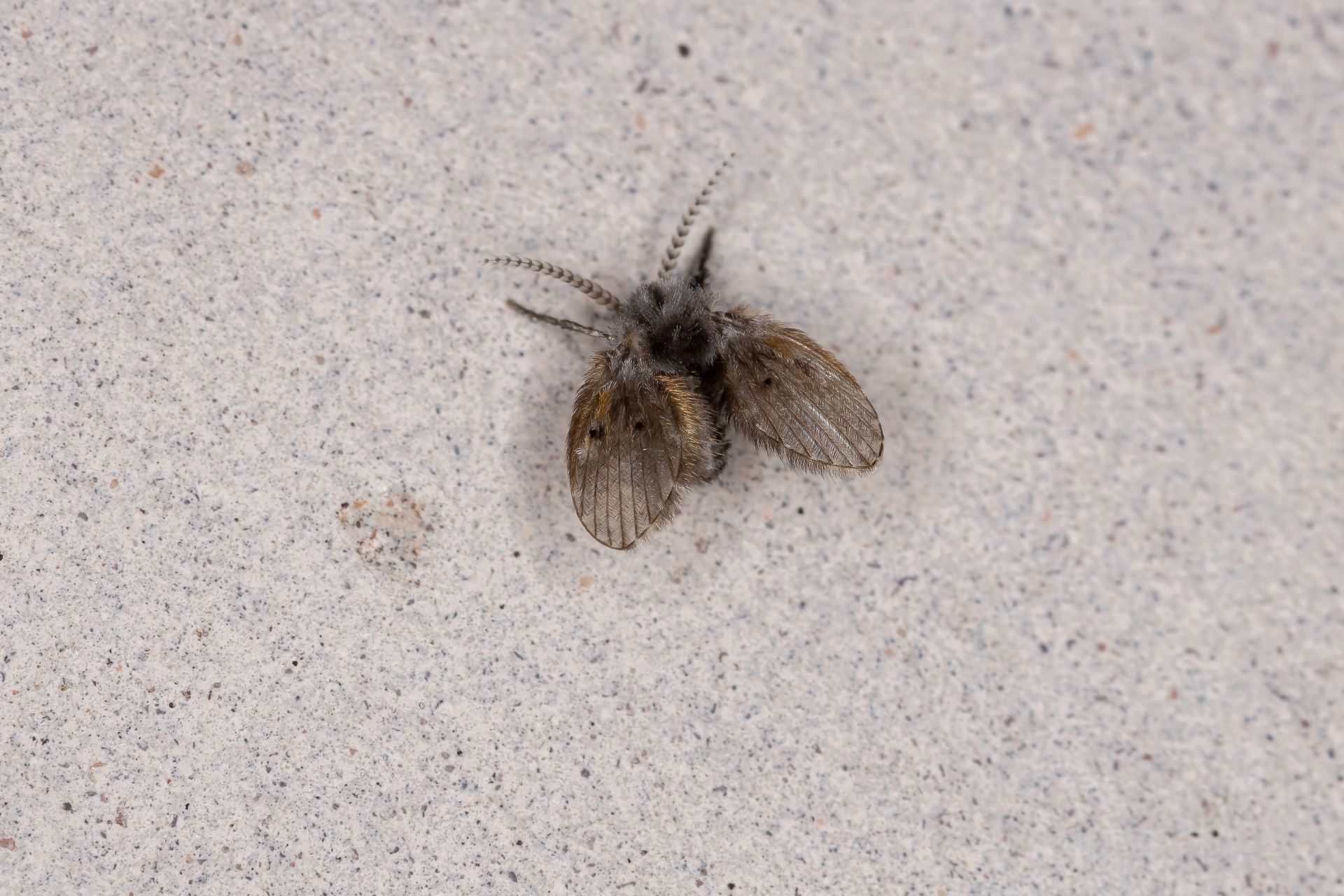
Discover how to identify drain flies and effectively remove them from your home or business in Charlotte NC. Expert advice from Killo Exterminating Co Inc.
are cockroaches harmful
By Killo Exterminating Co., Inc. March 23, 2026
Learn the real risks of a cockroach infestation and how Killo Exterminating Co., Inc. helps eliminate roaches and prevent their return.
By Killo Exterminating Co., Inc. December 10, 2025
Learn how to protect your home from carpenter bees with expert prevention strategies from Killo Exterminating Co., Inc. Preserve your wood structures and avoid costly repairs.
ants in house
By Killo Exterminating Co., Inc. December 10, 2025
Learn what attracts ants to your home, including food sources, moisture, and structural access points. Discover effective prevention strategies from Killo Exterminating Co., Inc.
By Killo Exterminating Co., Inc. November 14, 2025
Before bringing a live Christmas tree into your home, understand the potential for hidden pests and overwintering insects. Learn how to prepare and protect your home this holiday season.