Does Killing Ants Attract More of Them Into Your House?
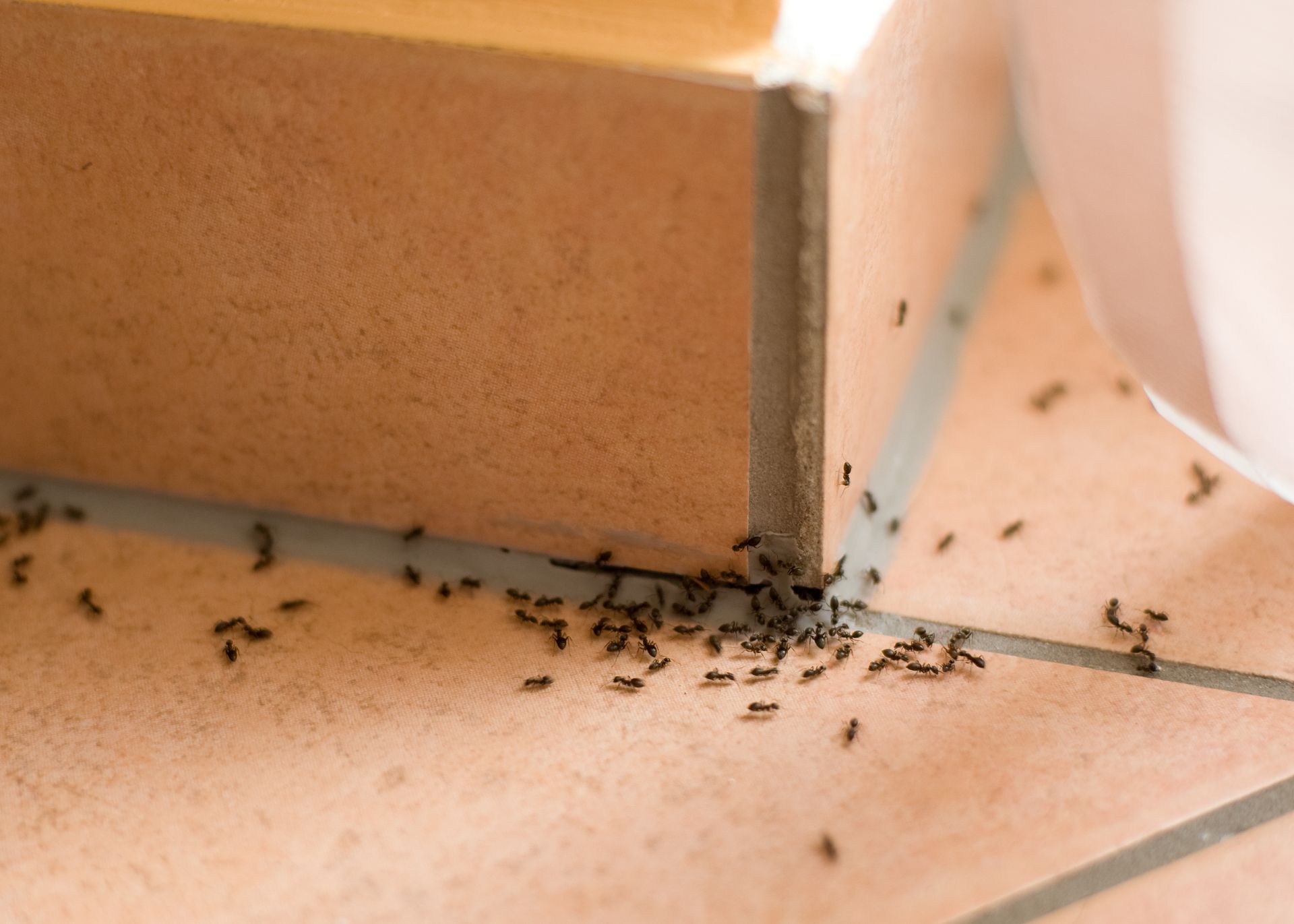
It is one of the most common questions homeowners ask when they spot a trail of ants marching across their kitchen floor: if you kill them, will more show up? The concern is understandable. Many people have noticed that squashing a few ants is followed by an even larger number appearing shortly afterward. Whether this is a coincidence or biology is worth exploring in detail, because the answer has real consequences for how you approach ant control in your home.
The Science Behind Ant Communication
Ants are eusocial insects, meaning they live in highly organized colonies that can range from a few hundred to several million individuals, depending on the species. Their entire social structure depends on chemical signals known as pheromones.
Pheromones are secreted by ants to convey a wide range of messages to their colony members. These chemical signals can indicate the presence of food, signal a threat, mark a trail, or even communicate that a nestmate has died. Different pheromones elicit distinct responses, and ants' sensitivity to these signals is remarkable.
Do Dead Ants Release an Alarm Signal?
Yes, and this is where the concern about killing ants gains some scientific footing. When an ant is crushed or killed, it can release what researchers call alarm pheromones. These chemical compounds, which in many species include substances such as oleic acid, serve as a distress signal to nearby ants.
The effect of alarm pheromones depends on the species and the concentration of the chemical released. In some cases, the signal prompts nearby ants to flee the area. In other cases, particularly in aggressive species, it can attract more ants to investigate or defend the location. This is why killing a small number of ants in one spot may appear to draw others toward the same area shortly afterward.
However, it is important to keep this in perspective. The alarm response is typically short-range and temporary. It does not, on its own, cause an entire colony to redirect into your home.
What Actually Attracts More Ants
While the alarm pheromone effect is real, it is a minor factor compared to the primary reasons ant populations grow inside a home.
- Forager trails and food pheromones: When a worker ant discovers a food source, it lays a pheromone trail back to the nest. Other ants follow this trail, reinforce it with their own scent, and the trail becomes stronger as more ants travel it. If you kill the ants on the trail but leave the trail itself intact, other ants from the colony will continue to follow it.
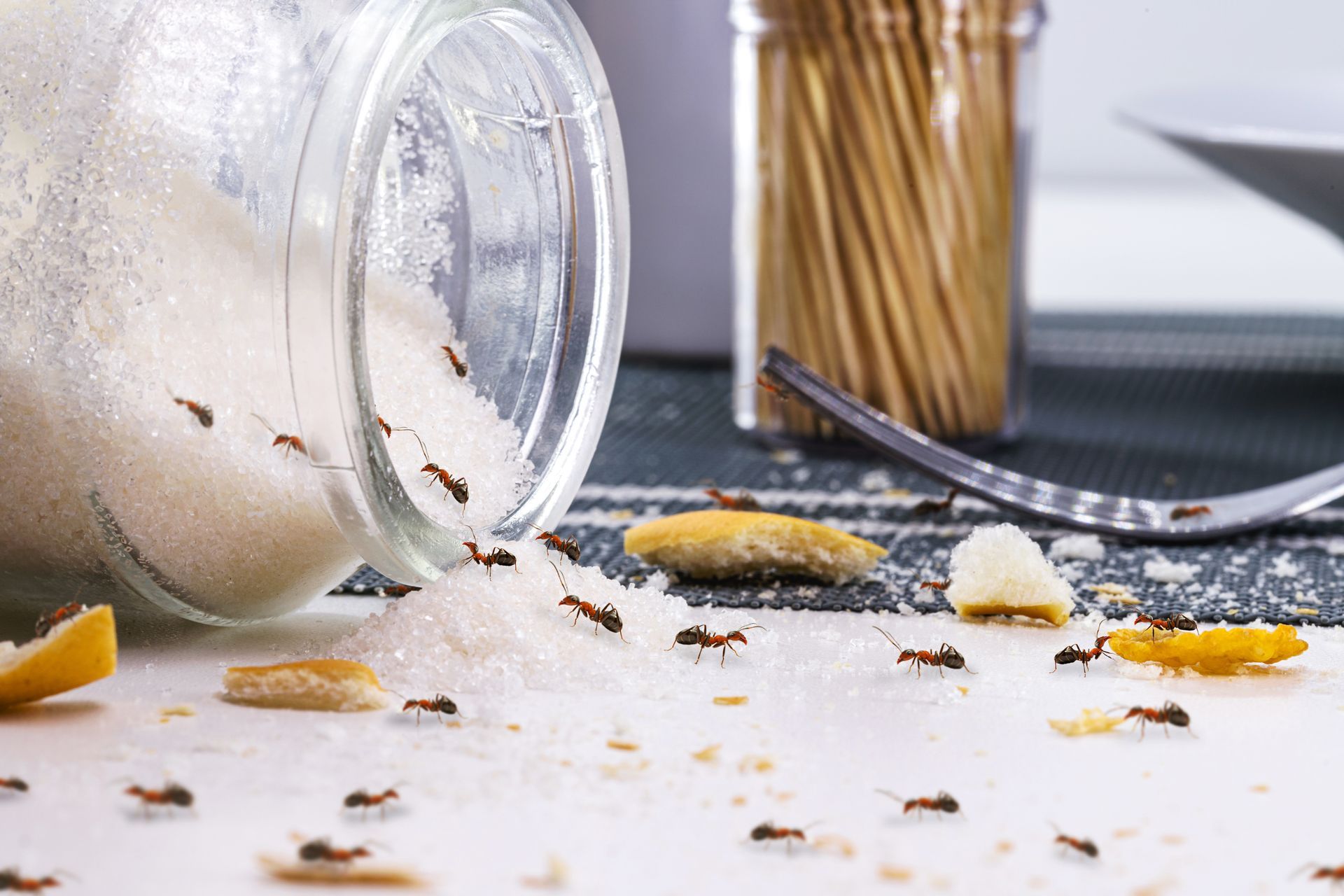
- Accessible food and moisture: Ants are resourceful foragers. Crumbs, spills, unsealed containers, pet food left out overnight, and leaky pipes are all powerful attractants that draw scouts into your home and keep them returning.
- Entry points: Gaps around window frames, cracks in foundations, spaces around plumbing lines, and poorly sealed doors all serve as open invitations for ants to enter. Until these are addressed, ant activity will persist regardless of how many individual ants are eliminated.
- Colony proximity: If a colony is established near or within your home's structure, the sheer number of workers being sent out daily means that surface level killing will have minimal impact on overall numbers.
The Problem With Killing Ants on the Surface
One of the most significant mistakes homeowners make is focusing exclusively on the ants they can see. Spraying a line of ants with a consumer insecticide or crushing them individually may temporarily reduce the visible trail, but it does not address the colony sending them out. In fact, surface treatments that repel ants rather than eliminate the nest can sometimes cause the colony to split into multiple satellite colonies, a phenomenon known as budding, which can actually worsen the infestation.
Certain ant species, such as the pavement ant and the odorous house ant, are particularly prone to this behavior when subjected to repellent treatments. What begins as one manageable colony can become several smaller colonies spread across different areas of the home, making control significantly more difficult.
Species Matters More Than You Might Think
Not all ants behave the same way, and the species you are dealing with has a significant impact on both the risk of attracting more ants and the appropriate response. Here are some of the most common household species and what sets them apart:
- Odorous house ants: These small, dark ants release a distinct rotten coconut smell when crushed. They are highly prone to budding when disturbed and can be particularly challenging to eliminate without professional intervention.
- Carpenter ants: Larger than most household species, carpenter ants do not eat wood but excavate it to build their nests. Their presence often signals moisture damage within your home's structure, and colonies can cause significant structural harm over time.
- Pavement ants: These ants typically nest beneath concrete and enter homes in search of food. They are less prone to budding but can establish large colonies that require targeted baiting strategies.
- Fire ants: Primarily an outdoor species, fire ants can enter homes and pose a health risk due to their painful and potentially dangerous stings. Their aggressive nature means that disturbing a colony without proper treatment can provoke a strong defensive response.
- Argentine ants: Considered one of the most invasive ant species in the world, Argentine ants form massive supercolonies and are extremely difficult to eliminate without professional methods.
Why Store-Bought Solutions Often Fall Short
Consumer ant sprays and traps are widely available and can offer temporary relief, but they are frequently insufficient for established infestations. Most over-the-counter repellent sprays create a chemical barrier that ants avoid, but this does not eliminate the nest. As mentioned, in some species it can trigger budding, spreading the problem further.
Bait products work differently and are generally more effective because they rely on worker ants carrying the toxic bait back to the nest, where it can affect the queen and the broader colony population. However, selecting the right bait formulation for the specific ant species present is critical. Using the wrong bait or placing it incorrectly can cause ants to ignore it entirely.
Beyond product selection, timing and placement require an understanding of ant behavior that most homeowners simply do not have the training to apply. This is one of the key reasons why professional pest control services consistently produce more reliable and lasting results than do-it-yourself approaches.
Integrated Pest Management: A More Effective Approach
Integrated Pest Management, commonly referred to as IPM, is the approach used by professional pest control companies and represents the most comprehensive method for addressing ant infestations. Rather than relying solely on chemical treatments, IPM combines inspection, identification, targeted treatment, and ongoing prevention to address both the immediate problem and its root causes.
The core components of an effective IPM strategy for ants include the following:
- Inspection and identification: A thorough inspection of the property identifies not only where ants are active, which species are present, where the colony or colonies may be located, and what conditions are contributing to the infestation.
- Targeted treatment: Based on the inspection findings, the appropriate treatment method is selected. This may include non-repellent insecticides, baiting programs, or direct nest treatments depending on the species and situation.
- Exclusion: Sealing entry points such as cracks, gaps around pipes, and spaces beneath doors prevents ants from re-entering the home after treatment.
- Sanitation recommendations: Addressing food storage, moisture issues, and other attractants removes the conditions that make a home appealing to foraging ants.
- Follow-up monitoring: Ongoing monitoring ensures the treatment has been effective and enables early intervention if activity resumes.
Preventive Measures Every Homeowner Should Take
Whether or not you are currently dealing with an ant problem, there are practical steps you can take to make your home less attractive to foraging ants. Prevention is always more cost-effective than treatment, and these measures can significantly reduce the likelihood of an infestation developing.
- Store all food, including pet food, in airtight containers and clean up spills and crumbs promptly.
- Fix leaky faucets, pipes, and any other sources of excess moisture, as ants are drawn to water as much as to food.
- Seal visible cracks and gaps in your home's exterior, paying particular attention to areas around utility lines and plumbing.
- Keep outdoor garbage bins sealed and positioned away from the home's foundation.
- Trim trees, shrubs, and other vegetation that makes direct contact with your home's exterior, as these provide natural pathways for ants to enter.
- Avoid leaving dirty dishes in the sink overnight.
- Regularly inspect your foundation and basement for signs of moisture damage or ant activity.
Take Control of Your Home With Expert Help
Killing the ants you can see may offer a moment of satisfaction, but it rarely solves the underlying problem and, in some species, can make matters worse by triggering alarm responses or colony splitting. Effective ant control requires understanding the biology of the species involved, addressing the conditions that are attracting them, and applying the right treatment methods at the source. At Killo Exterminating Co., Inc., that is precisely the standard of service that homeowners deserve. If any ant activity has become a persistent concern in your home, now is the time to move beyond surface-level fixes and invest in a solution that addresses the problem at its root. Reach out to a qualified pest control professional today and take the first step toward a home genuinely free of unwanted ant activity.