
Why Is My Deck Sticky? Lanternfly & Sooty Mold in Charlotte
You step outside on a nice morning, coffee in hand, ready to enjoy your deck, and your shoe immediately sticks to the boards. You look around and notice a dark, powdery film coating your furniture, railings, and patio surfaces. Something is clearly going on, and it feels like it happened overnight. If this sounds familiar, spotted lanternflies are likely the culprits behind your sticky, grimy outdoor space. In Charlotte, NC and across the greater Mecklenburg County area, homeowners are increasingly encountering this invasive pest and the mess it leaves behind.
What Is the Spotted Lanternfly?
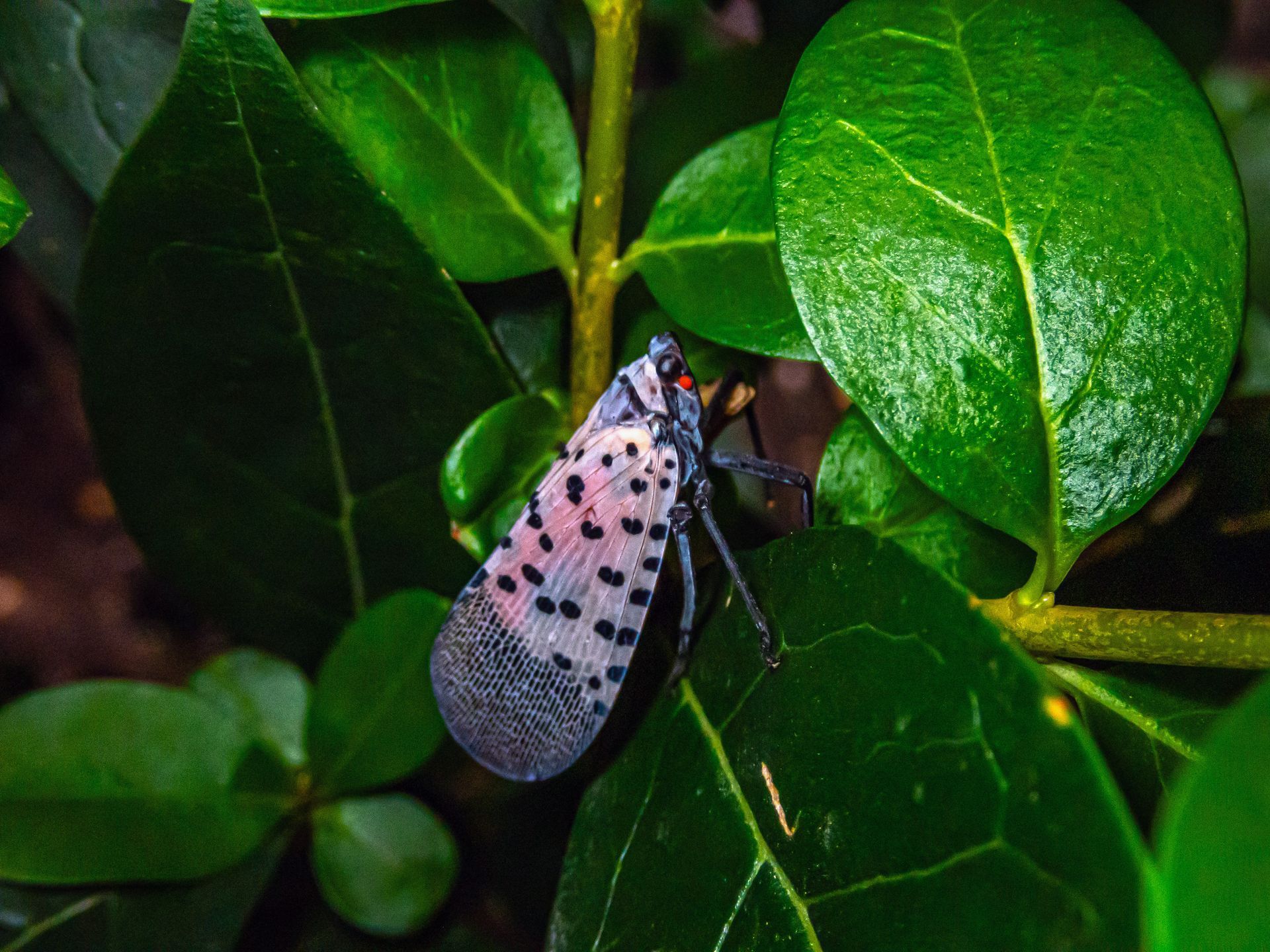
The spotted lanternfly (Lycorma delicatula) is an invasive insect originally from China, India, and Vietnam. People first detected it in Pennsylvania in 2014, and it has since spread rapidly across the northeastern states and into the Southeast. North Carolina has been actively monitoring and responding to spotted lanternfly activity, and the Charlotte metro area sits in a region where conditions favor the pest's establishment and spread. While it looks almost decorative with its bold spotted wings, do not let the appearance fool you. This insect is a serious agricultural and residential pest that causes widespread damage wherever it establishes itself.
Spotted lanternflies feed by piercing plant stems and leaves to suck out sap. They are not picky eaters. They will target a wide range of host plants, including:
- Tree of Heaven (Ailanthus altissima), their preferred host, which grows abundantly along roadsides and disturbed areas throughout the Charlotte region
- Grapevines and fruit trees
- Maples, oaks, and walnuts
- Hops and ornamental plants
- Roses and other garden shrubs
When large populations gather in one area, their feeding damage can weaken plants significantly, and the mess they leave behind can make outdoor living areas nearly unusable.
What Is Honeydew and Where Does It Come From?
As spotted lanternflies feed on plant sap, they consume far more sugar than their bodies can process. They excrete the excess as a sweet, syrupy liquid known as honeydew. It is not the fruit — it is essentially insect waste, and it is incredibly sticky.
Honeydew rains down from infested trees and plants onto everything below: your deck boards, patio furniture, outdoor rugs, cars, and anything else sitting underneath. The substance is clear to slightly yellowish, and once it dries, it creates that unmistakable tacky film that catches your shoes and makes surfaces feel perpetually grimy. In Charlotte's warm, humid summers, the problem can escalate quickly because the climate accelerates both insect activity and the growth of secondary issues like mold.
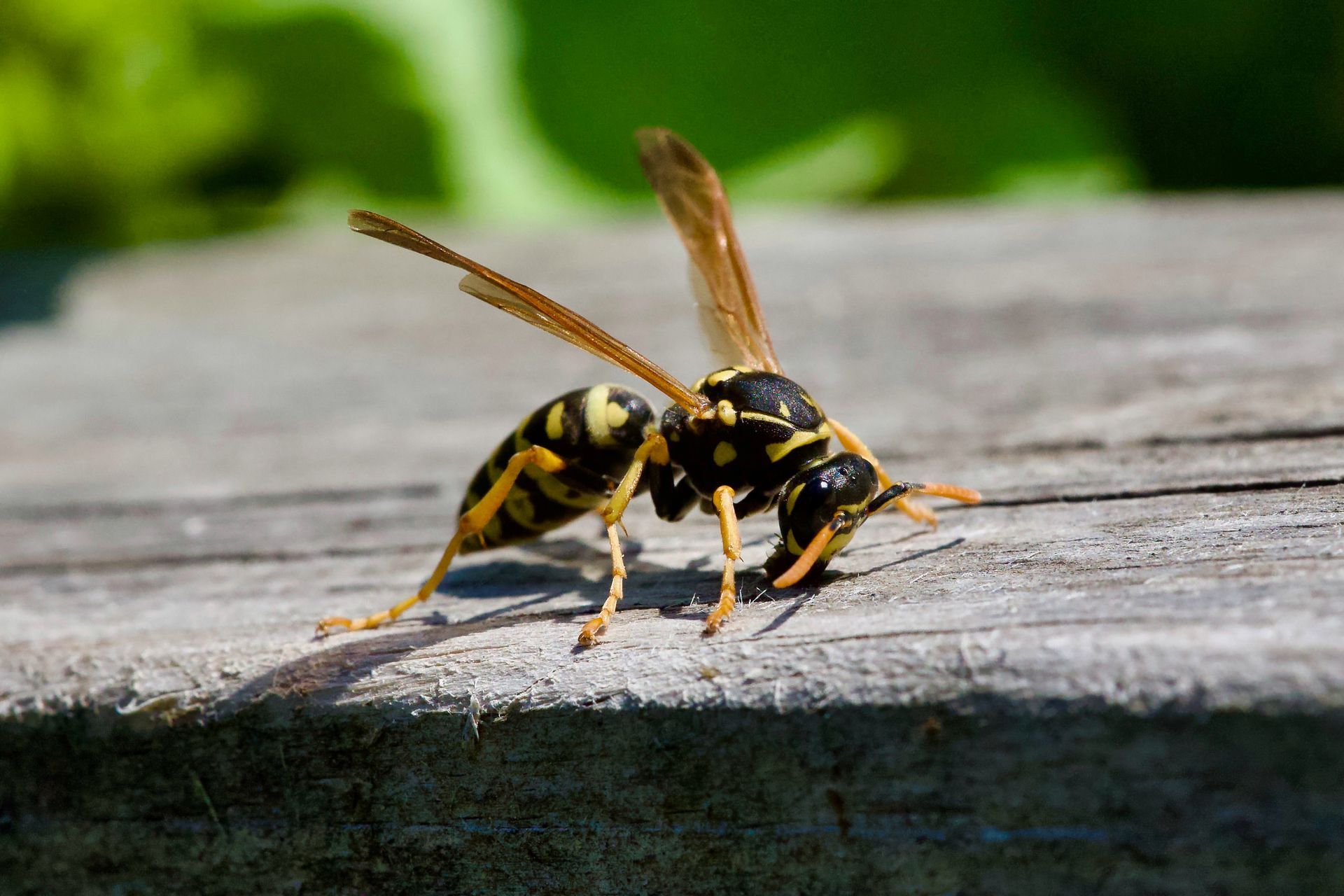
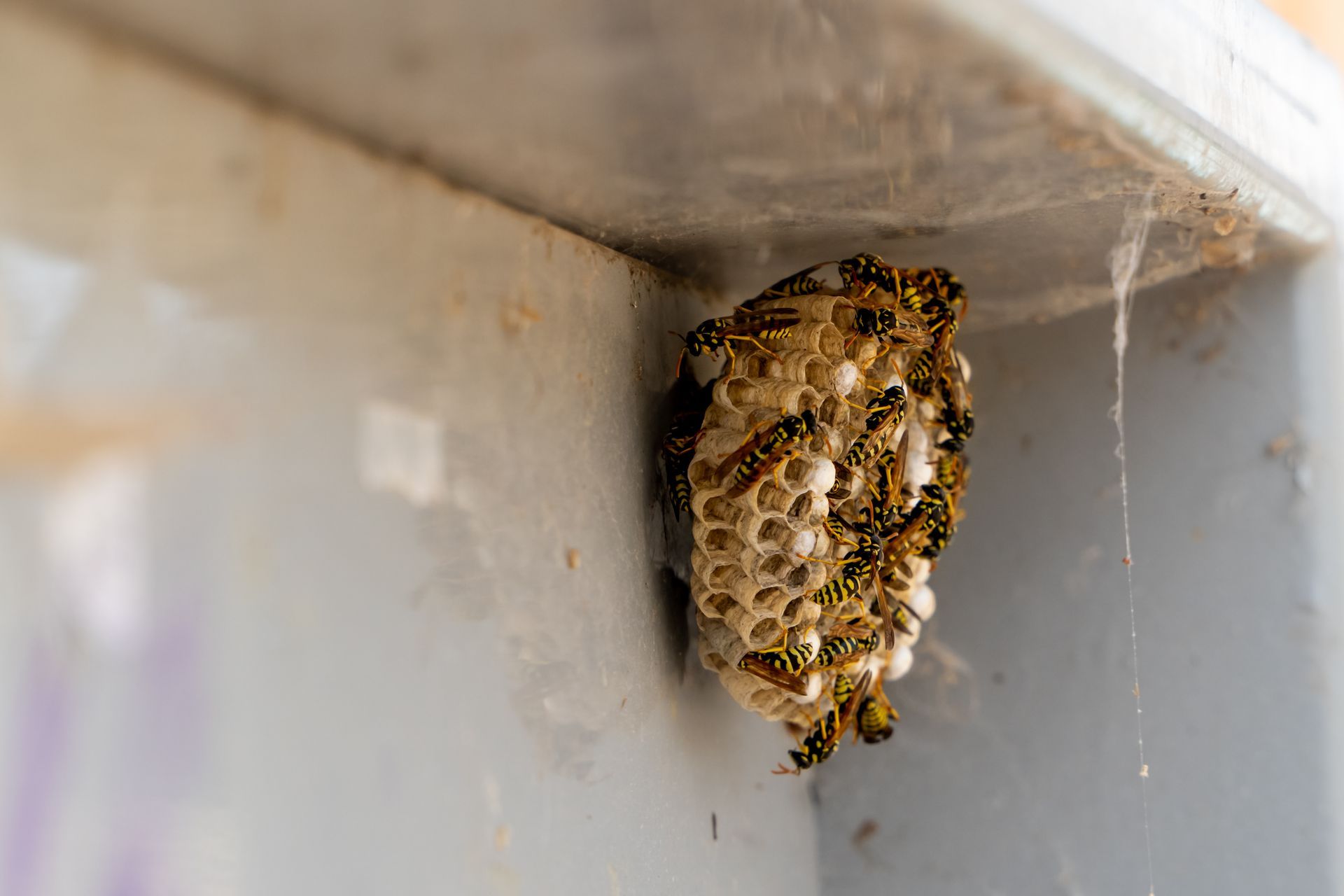
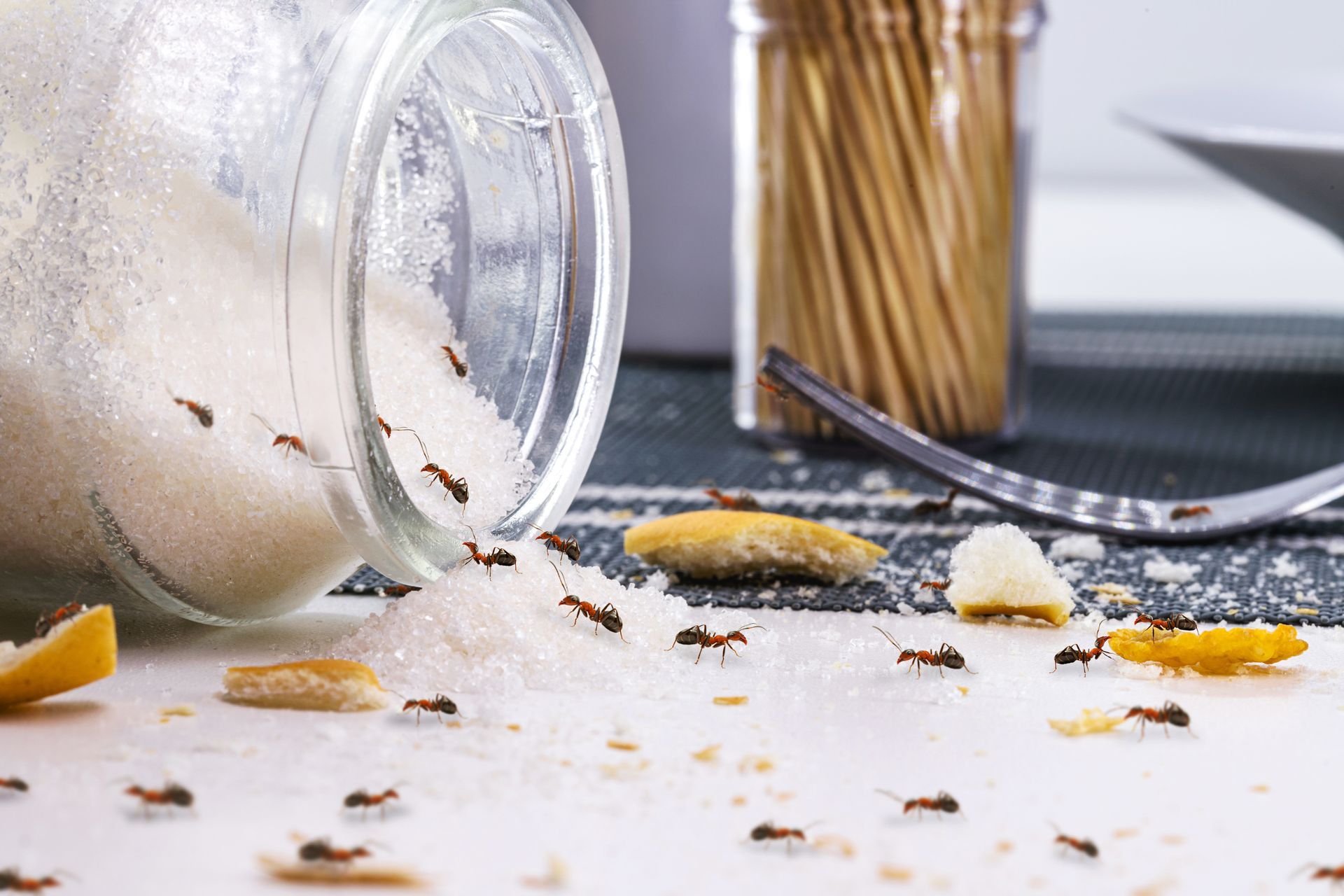
The problem is not just cosmetic. Honeydew also attracts other insects, including bees, wasps, and ants, which come to feed on the sugary residue. So if you have noticed more stinging insects around your yard this season, honeydew buildup could be one reason.
How Sooty Mold Gets Into the Picture
Once honeydew coats your surfaces and plant leaves, a secondary problem often follows: sooty mold. Sooty mold is a fungal growth that feeds on honeydew sugars. It appears as a dark gray or black powdery coating on leaves, branches, deck boards, furniture, and outdoor fixtures.
Sooty mold does not infect plants directly, but it does cause real harm by blocking sunlight from reaching leaves, which disrupts photosynthesis and weakens the plant over time. On surfaces like your deck or patio furniture, sooty mold is mainly an aesthetic and cleanliness issue, but it can be stubborn to remove and tends to return if you don't address the underlying insect problem. Charlotte's humidity and heat create particularly hospitable conditions for sooty mold to spread once it gets a foothold.
The relationship between spotted lanternflies, honeydew, and sooty mold forms a chain reaction:
- Spotted lanternflies feed on trees and plants near your property.
- They excrete honeydew, which falls onto your outdoor surfaces and remaining plant foliage.
- Sooty mold spores land on the honeydew and begin to grow.
- You are left with a sticky, dark mess across your yard and deck.
Breaking that chain requires addressing the pest itself, not just scrubbing the surfaces.
How to Identify a Spotted Lanternfly Infestation
Knowing what to look for helps you act quickly before the problem grows. Spotted lanternflies go through several life stages throughout the year, and each looks a little different. In the Charlotte area, each stage generally follows the same seasonal pattern seen across the Mid-Atlantic and Southeast.
- Egg masses: Laid from September through early spring, these look like smears of dried mud on tree bark, stones, and outdoor furniture. Each mass contains 30 to 50 eggs.
- Early nymphs (instars 1 to 3): Small, black nymphs with white spots, active from spring into early summer.
- Late nymphs (instar 4): Larger nymphs with a red body and black-and-white spots, seen in late summer.
- Adults: Active from late summer through fall, these are about one inch long with gray forewings spotted in black, and bright red hindwings revealed in flight.
If you notice large groups of insects congregating on tree trunks, fence posts, or the sides of your home in late summer and fall, take a closer look. Spotted lanternflies tend to gather in clusters and move upward on vertical surfaces throughout the day. In Charlotte neighborhoods with mature tree canopy and nearby green corridors, conditions are especially well suited for these congregations to form.
What the Sticky Mess Means for Your Property
Beyond being unpleasant to deal with, a heavy honeydew and sooty mold situation can cause real damage to your outdoor living space and landscaping. Charlotte homeowners who have invested in deck additions, screened porches, and outdoor entertaining areas have a particular reason to take this seriously.
On your deck and patio, the repeated cycle of sticky buildup and dark mold growth can discolor wood and composite materials over time. Prolonged exposure to organic residue and moisture can damage some deck finishes and sealants. Outdoor furniture cushions that absorb honeydew may develop mold and mildew that goes deeper than the surface layer.
In your landscaping, repeated heavy infestations of spotted lanternflies weaken trees and shrubs over multiple seasons. Grapevines and fruit trees are particularly vulnerable and can suffer significant yield losses. Ornamental plants common to Charlotte yards, including crepe myrtles, Japanese maples, and flowering shrubs, may show a general decline in vigor that worsens year after year if the infestation is not managed.
What You Can Do Right Now
Homeowners in the Charlotte area can take several practical steps to reduce the impact of spotted lanternflies on their property.
- Remove Tree of Heaven from your property: This invasive tree thrives in disturbed soils and is especially common along Charlotte's roadsides, fence lines, and vacant lots. Eliminating it makes your yard less attractive to the pest. Tree of Heaven removal can be complex, so consulting a professional is often worthwhile.
- Scrape and destroy egg masses: From fall through spring, check smooth surfaces like tree bark, decks, outdoor furniture, and stone walls for egg masses. Scrape them into a bag with hand sanitizer or rubbing alcohol, seal it, and dispose of it.
- Use sticky bands or circle traps on trees: These can capture nymphs as they move up tree trunks in spring and early summer. Use them carefully if you have pets or wildlife in your yard.
- Clean your deck regularly: Use warm soapy water to remove honeydew and sooty mold buildup. A soft brush can help lift mold from textured surfaces. Regular cleaning will not solve the infestation, but it reduces the damage to your surfaces while you work on the pest problem.
- Report sightings to the North Carolina Department of Agriculture and Consumer Services (NCDA&CS): Spotted lanternfly is a regulated pest in North Carolina, and resident reports help the state track its spread. Visit the NCDA&CS website to report a sighting and learn about local management guidance for your county.
When to Call a Professional
Home remedies and physical removal methods can make a dent in small infestations, but spotted lanternflies reproduce quickly, and populations can escalate dramatically in a single season. If you see large numbers of insects on your property, find multiple egg masses, or watch your trees and garden plants decline, it is time to bring in expert help.
A licensed pest management professional can assess the extent of the infestation, identify the host plants attracting the insects, and apply targeted treatments that are safe for your family, pets, and surrounding environment. Professional treatment is especially important for protecting high-value trees, fruit crops, or any plants that are already showing stress from repeated feeding damage. For Charlotte homeowners, acting early in the season gives treatments the best chance of getting ahead of population growth before the late summer surge.
Understanding the Bigger Picture
Spotted lanternflies are not just a nuisance pest. They represent a genuine ecological and economic threat. Since their introduction to North America, researchers and agricultural agencies have been working to understand and contain their spread across the country, including in North Carolina, where state officials have placed the pest under active quarantine and monitoring programs. Individual homeowners in Charlotte play a real role in that effort by reporting sightings, destroying egg masses, and seeking professional treatment when needed.
The sticky deck and black mold you are seeing are not random seasonal annoyances. They signal a pest that has established itself in your yard and will keep growing if nothing changes. The honeydew will keep falling, the sooty mold will keep returning, and the plants feeding these insects will keep weakening until you break the cycle.
Understanding the connection between the insect, the residue, and the mold is the first step toward taking meaningful action. Once you know what you are dealing with, the path forward becomes much clearer.