Do We Need to Leave the House for Pest Control?

Killo Exterminating Co., Inc. • January 31, 2025

When it comes to pest control, homeowners often ask, “Do I need to leave my house during treatment?” The answer depends on the type of pest control service, the methods used, and the specific pest problem. At Killo Exterminating Co., Inc., we prioritize your safety and comfort while ensuring effective pest management. 


Understanding Pest Control Treatments

Modern pest control treatments vary in intensity and approach. While traditional methods often required evacuation due to harmful chemicals, many contemporary treatments use safer, more targeted applications. Let’s break down the types of pest control and whether staying at home is feasible:


1. Preventive Pest Control

Description: Preventive treatments include perimeter spraying, sealing cracks, and applying low-toxicity products to deter pests like ants, spiders, and roaches.
Do You Need to Leave?
No. Preventive pest control typically involves exterior treatments or minimal application inside the home. These products are often odorless and safe for people and pets to remain in the house.


2. Indoor Pest Control for Common Pests

Description: Targeted indoor treatments focus on eliminating infestations of ants, cockroaches, silverfish, or similar pests. Technicians may use baits, traps, or insecticides.
Do You Need to Leave?
It depends. For baits or traps, you can usually stay home. However, if sprays or foggers are used, you might need to vacate the treated areas for a few hours until the product dries and any fumes dissipate.


3. Rodent Control

Description: Rodent control involves setting traps, sealing entry points, and using bait stations.
Do You Need to Leave?
No. Most rodent control services do not require you to leave the house, as they focus on trapping and physical barriers rather than chemicals.


4. Termite Treatments

Description: Termite control methods range from localized treatments, like foam or bait stations, to whole-home fumigation.
Do You Need to Leave?
For localized treatments, staying home is usually safe. However, for fumigation, you will need to vacate your house for 1-3 days. This is because fumigation uses gases that are harmful to humans and pets.


5. Bed Bug Extermination

Description: Bed bug control includes chemical sprays, heat treatments, or a combination of both to eradicate infestations.
Do You Need to Leave?
Yes. Bed bug treatments often involve high heat or chemical applications that require you to vacate your home for several hours or more.


6. Mosquito or Flea Fogging

Description: Fogging treatments target flying pests like mosquitoes or fleas with widespread chemical applications.
Do You Need to Leave?
Yes. Fogging disperses fine particles in the air, which can cause respiratory irritation. Most professionals advise leaving your home for 2-4 hours.


Why Do Professionals Recommend Leaving?

Even with low-toxicity or eco-friendly products, leaving your home during certain pest control treatments can ensure:

  1. Safety for You and Your Family: Pesticides and fumigants may contain chemicals that could irritate the eyes, skin, or respiratory system.
  2. Better Treatment Results: Allowing professionals to work without interruption can improve efficiency and effectiveness.
  3. Peace of Mind: You don’t have to worry about accidental exposure to active ingredients while the treatments are being applied or drying.


Preparing Your Home for Pest Control

If you’re advised to leave your house for treatment, here’s how to prepare:

  1. Remove Pets and Plants: Animals and houseplants are sensitive to chemicals. Move them out of treated areas or arrange for temporary relocation during fumigation.
  2. Seal Food and Utensils: Store food, dishes, and utensils in airtight containers to avoid contamination.
  3. Clean Before the Treatment: Vacuum, mop, and declutter to maximize the effectiveness of pest control products.
  4. Follow Post-Treatment Instructions: Once you return, ventilate your home by opening windows and wiping down surfaces if instructed by the technician.


When Can You Stay at Home?

In many cases, modern pest control treatments allow you to remain in your home. Here’s what to consider:

  • Ask About the Products: Request information about the pest control products and their safety. Many treatments use EPA-approved chemicals with low toxicity.
  • Discuss Allergies or Sensitivities: If anyone in your household has respiratory issues, allergies, or chemical sensitivities, it’s better to err on the side of caution and leave during treatments.
  • Communicate with Your Technician: A professional pest control company like Killo Exterminating Co., Inc. will always explain the process and recommend the safest course of action for your family.

Your technician will provide clear instructions on when it’s safe to re-enter your home. Ventilate the house as recommended and ensure all surfaces are dry.


Trust Killo Exterminating Co., Inc. for Safe and Effective Pest Control

At Killo Exterminating Co., Inc., we understand the importance of balancing effective pest management with your family’s safety. Our team uses state-of-the-art techniques and low-toxicity products to minimize disruptions to your daily life. Whether you’re dealing with ants, rodents, termites, or bed bugs, we tailor our treatments to suit your needs while keeping your home safe and pest-free.

Contact us today to schedule a consultation or learn more about our pest control services.
By Killo Exterminating Co., Inc. March 23, 2026
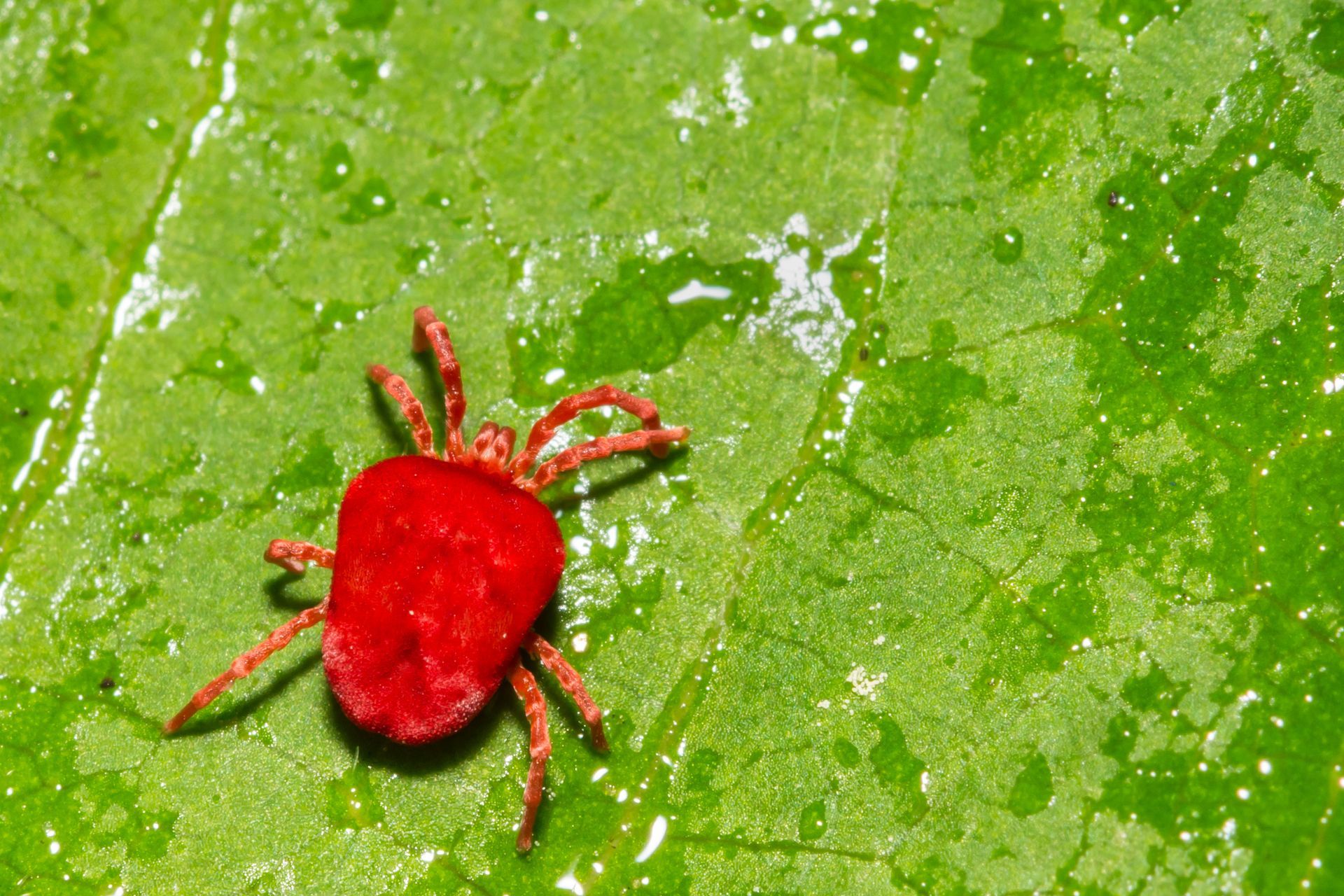
Chigger problems are an often overlooked but highly uncomfortable issue for homeowners in Charlotte and the surrounding areas. These tiny pests are barely visible to the naked eye, but can cause significant irritation and discomfort. Understanding how to identify chigger activity, prevent future infestations, and implement effective treatment methods is essential for maintaining a safe and enjoyable outdoor environment. At Killo Exterminating Co Inc, we specialize in addressing all kinds of pest issues, including seasonal and environmental nuisances like chiggers. Understanding Chiggers Chiggers are the larval stage of mites belonging to the Trombiculidae family. While adult mites are harmless, the larval stage poses a problem due to their feeding habits. Contrary to popular belief, chiggers do not burrow into the skin. Instead, they attach themselves to the skin surface and inject digestive enzymes that break down skin cells. This process causes an intense itching sensation and red welts, which are commonly mistaken for insect bites or rashes. Chiggers thrive in humid, warm climates and prefer areas with tall grasses, dense shrubs and moist leaf litter. These conditions are common throughout Charlotte, especially during the spring and summer months. Their presence is most noticeable in parks, trails, backyards and even golf courses. Signs of Chigger Activity One of the most frustrating aspects of dealing with chiggers is that their presence often goes unnoticed until after exposure. Since chiggers are less than 1/150th of an inch, they are nearly invisible without magnification. The signs of a chigger problem become apparent through the symptoms experienced by those who have been exposed. Common Indicators Include: Clusters of red itchy welts, particularly around areas where clothing is tight, such as the waistband, ankles, underarms, or behind the knees Delayed skin reaction, itching, and swelling often begin several hours after initial exposure Outdoor exposure correlation symptoms commonly appear after spending time in wooded, grassy, or damp areas Although the symptoms are not dangerous to overall health, they can cause intense discomfort and lead to secondary infections from scratching. For individuals with sensitive skin or allergies, the irritation may be even more pronounced. Where Chiggers Hide in Charlotte Properties Charlotte’s warm temperate climate provides an ideal environment for chiggers to thrive from late spring through early fall. They are commonly found in: Overgrown lawns or neglected garden beds Thick vegetation near property lines or fences Areas with poor drainage or consistent moisture Leaf piles, mulch beds, or groundcover Heavily shaded areas beneath trees or dense shrubbery How to Prevent Chigger Infestations Prevention is the most effective strategy when it comes to chigger control. While it may be difficult to completely eliminate chiggers in outdoor areas, you can significantly reduce their population and limit contact. Lawn Maintenance Keeping your lawn well-maintained is critical. Regular mowing and edging help reduce tall grasses and dense foliage where chiggers typically live. Trimming back shrubs and removing excess groundcover can also limit suitable habitats. Eliminate Moisture Since chiggers prefer moist environments, ensure your property has proper drainage. Repair any leaky spigots or downspouts and avoid overwatering your lawn. Consider adding gravel or stone barriers between wooded areas and your lawn to reduce migration. Protective Clothing When spending time outdoors, especially in wooded or grassy areas, wear long sleeves, pants, and closed-toe shoes. Tucking pants into socks and shirts into pants can reduce skin exposure. Treating clothing with permethrin or using DEET-based insect repellents can also help deter chiggers. Pet Control Pets that spend time outdoors may inadvertently carry chiggers into your home. Regularly check your pets and consider using veterinarian-approved flea and tick treatments that also help repel mites. Effective Chigger Treatments for Your Property If you suspect your property is experiencing a chigger problem, it is important to take targeted action. While over-the-counter insecticides may provide temporary relief, professional pest control services offer a more thorough and long-term solution. Step One: Inspection A professional inspection is crucial to confirm the presence of chiggers and identify high-risk areas. At Killo Exterminating Co Inc, our technicians perform comprehensive evaluations to assess the level of infestation and determine the contributing environmental conditions. Step Two: Customized Treatment Plan Based on the inspection results, we develop a tailored treatment plan designed to address the unique characteristics of your property. This typically includes the use of targeted residual insecticides that focus on high-traffic chigger zones such as tall grass, mulch beds, and shaded areas. Step Three: Follow-Up and Monitoring Chigger control is not a one-time event. Our team provides follow-up services to monitor progress and make adjustments as needed. Education is also an important part of the process. We work closely with homeowners to promote best practices in lawn care and pest prevention. What to Do if You Have Been Bitten If you have already experienced chigger bites, the good news is that they are self-limiting and usually resolve within one to two weeks. However, managing the symptoms can improve comfort and reduce the risk of complications. Recommended Treatments: Wash the affected area with soap and water to remove any lingering chiggers Apply anti-itch creams such as calamine lotion, hydrocortisone cream, or antihistamine gels Avoid scratching to prevent secondary infection Cool compresses can soothe inflamed skin and reduce itching If you experience excessive swelling or signs of infection, consult a healthcare provider for further treatment. Why Professional Help Is Often Necessary DIY solutions may provide temporary relief, but they often fail to address the root causes of chigger infestations. Without a clear understanding of the pest’s habitat and behavior, it is easy to overlook critical areas during treatment. Professional pest control companies like Killo Exterminating Co Inc offer the expertise, tools, and experience needed to provide effective long-term solutions. With decades of experience in pest management across the Charlotte area, our team is equipped to handle even the most persistent chigger problems. We understand the unique environmental conditions of the region and apply industry-leading practices that prioritize safety and sustainability. The Killo Exterminating Co Inc Advantage Choosing the right pest control provider can make a significant difference in the quality and longevity of your results. At Killo Exterminating Co Inc, we are committed to delivering exceptional service from start to finish. Our approach is based on transparency, thoroughness and a dedication to customer satisfaction. Clients benefit from: Licensed and highly trained technicians Environmentally responsible pest management Custom treatment plans for each property Ongoing support and preventative recommendations Local expertise grounded in years of service to Charlotte and surrounding communities Whether you are currently dealing with a chigger infestation or simply want to safeguard your property, our team is ready to assist. Take Control of Chigger Problems with Expert Help Today Chigger problems in Charlotte are more than just a seasonal annoyance. They can impact outdoor enjoyment, disrupt daily comfort and even lead to secondary health concerns if not properly managed. Recognizing the signs of a chigger infestation and taking proactive steps to treat and prevent it are essential components of effective pest control. By partnering with experienced professionals like those at Killo Exterminating Co Inc, you gain the peace of mind that comes from knowing your property is protected by experts. From thorough inspections to strategic treatments and ongoing support, we provide everything you need to manage chigger issues with confidence.  For more information or to schedule an inspection, contact Killo Exterminating Co Inc today and take the first step toward a safer, more comfortable outdoor environment.
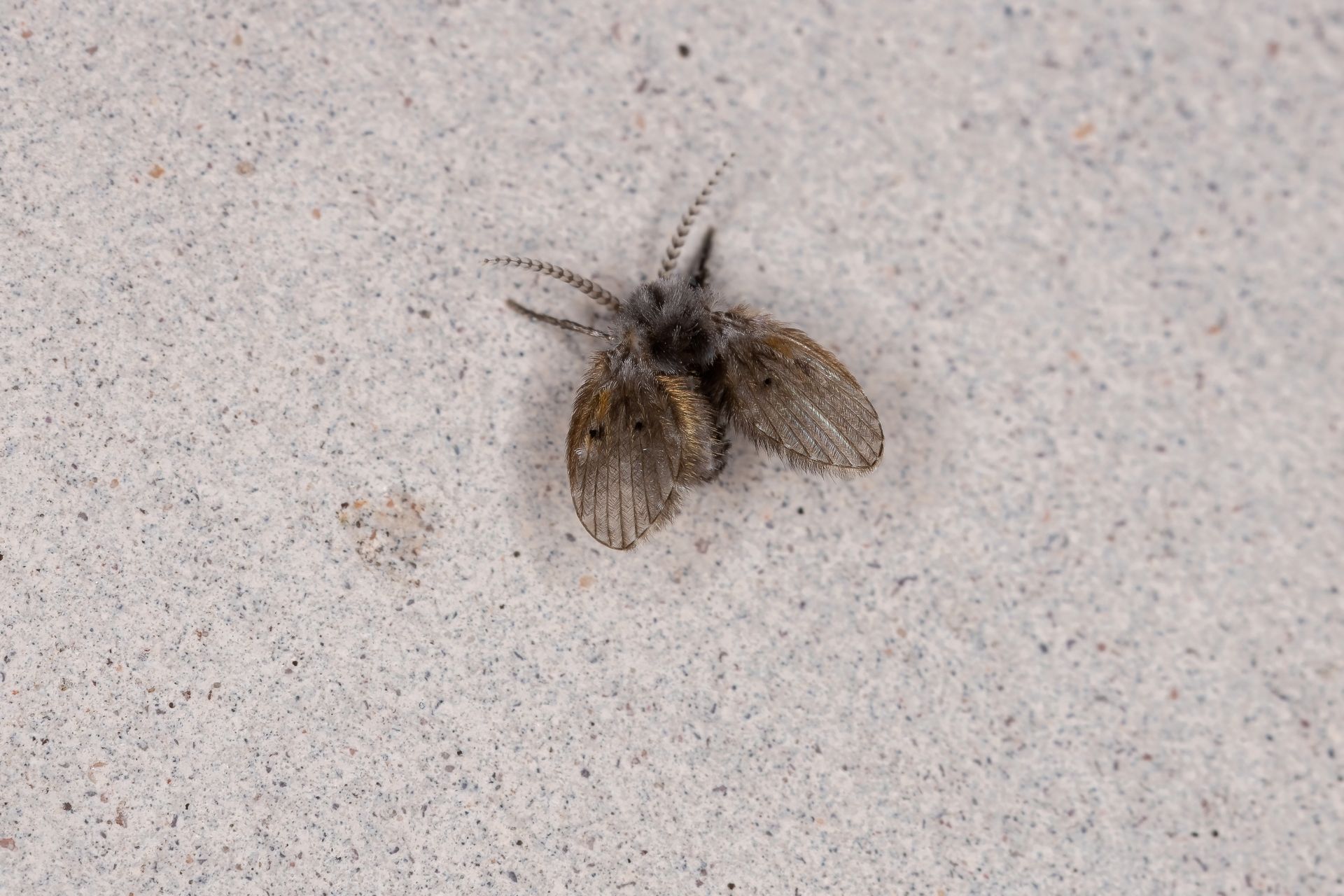
drain fly
By Killo Exterminating Co., Inc. March 23, 2026
Discover how to identify drain flies and effectively remove them from your home or business in Charlotte NC. Expert advice from Killo Exterminating Co Inc.
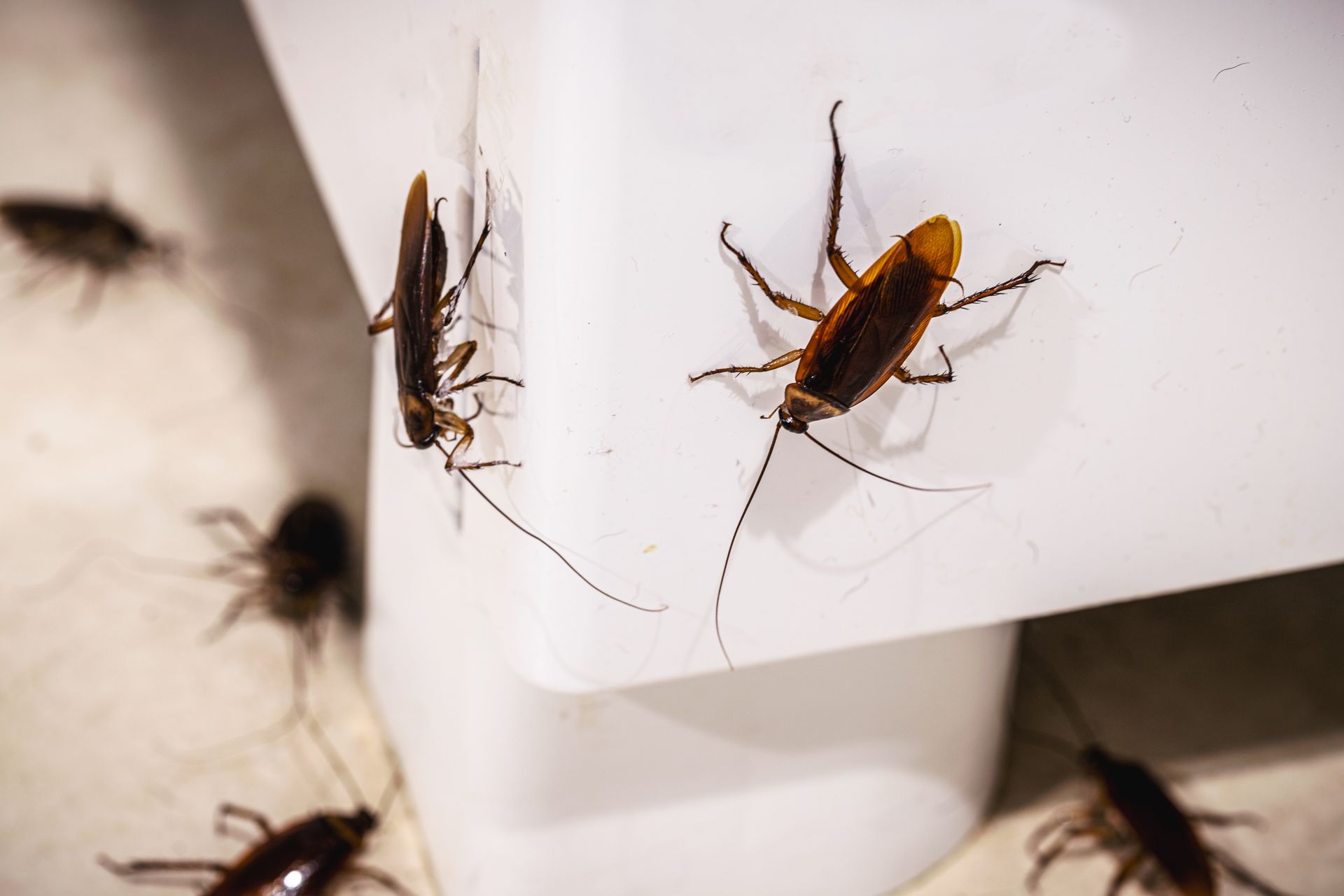
are cockroaches harmful
By Killo Exterminating Co., Inc. March 23, 2026
Learn the real risks of a cockroach infestation and how Killo Exterminating Co., Inc. helps eliminate roaches and prevent their return.
By Killo Exterminating Co., Inc. December 10, 2025
Learn how to protect your home from carpenter bees with expert prevention strategies from Killo Exterminating Co., Inc. Preserve your wood structures and avoid costly repairs.
ants in house
By Killo Exterminating Co., Inc. December 10, 2025
Learn what attracts ants to your home, including food sources, moisture, and structural access points. Discover effective prevention strategies from Killo Exterminating Co., Inc.
By Killo Exterminating Co., Inc. November 14, 2025
Before bringing a live Christmas tree into your home, understand the potential for hidden pests and overwintering insects. Learn how to prepare and protect your home this holiday season.
By Killo Exterminating Co., Inc November 14, 2025
Learn how to accurately identify mouse droppings versus roach feces to ensure effective pest control. Understand key differences in size, shape, color, and location for better home protection.
By Killo Exterminating Co., Inc. September 18, 2025
Discover the most effective mosquito-repellent plants and herbs. Learn how natural landscaping can help reduce mosquito populations around your home or business.
By Killo Exterminating Co., Inc. September 18, 2025
Discover effective methods to eliminate spider infestations in your attic or basement. Learn prevention tips, removal strategies, and when to contact Killo Exterminating Co., Inc.
By Killon Exterminating Co., Inc. September 8, 2025
Rats are one of the most persistent and destructive pests that can invade outdoor spaces. They are highly adaptable, reproduce rapidly, and are capable of causing significant damage to gardens, property structures, and even personal health. If left uncontrolled, a rat infestation can grow quickly and become far more challenging to address. The key to successful rat control is to remove existing rodents and then implement measures that make your yard unappealing to them in the future. At Killo Exterminating Co., Inc., we have decades of experience helping homeowners and businesses protect their property from pests.  Understanding the Risks of Rats in Your Yard Rats are not only a nuisance but also a health hazard. They can carry numerous diseases that pose risks to humans and pets, such as leptospirosis, salmonella, and rat-bite fever. In addition to health threats, rats can cause structural damage by chewing through wood, wires, and even soft metals. They also dig burrows that weaken soil stability around gardens, patios, and building foundations. Identifying Signs of Rat Activity Before taking steps to eliminate rats, it is important to confirm their presence. Common signs of rat activity include: Droppings Rat droppings are dark, pellet-shaped, and typically found along walls, near food sources, or in sheltered corners of your yard. Burrows Norway rats in particular dig burrows in soil, under decks, or along foundations. Fresh burrows often have a smooth entrance with loose dirt scattered nearby. Gnaw Marks Rats gnaw on wood, plastic containers, and even outdoor furniture to keep their teeth from overgrowing. Grease Marks Rats often follow the same paths repeatedly, leaving greasy smears on surfaces where their fur brushes against walls or objects. Noises at Night Scratching or scurrying sounds in sheds, under decks, or in walls can indicate rat activity. Once you have confirmed the presence of rats, you can begin targeted removal efforts. Removing Rats from Your Yard Rats are intelligent and cautious, so effective removal requires a methodical approach. 1. Remove Food Sources Rats are attracted to readily available food. Common food sources in yards include pet food left outside, bird seed from feeders, fallen fruit from trees, and unsecured garbage. To reduce food availability: Store garbage in sealed metal or heavy-duty plastic bins with tight-fitting lids. Clean up fallen fruit promptly. Avoid feeding pets outdoors. Use bird feeders with seed catchers to prevent excess spillage. 2. Remove Water Sources Rats require water to survive, and even small amounts can sustain them. Eliminate or reduce standing water by: Fixing leaky outdoor faucets. Emptying bird baths regularly or using models with running water features. Ensuring proper drainage in low-lying areas. 3. Eliminate Hiding Places Rats seek shelter in clutter, overgrown vegetation, and debris piles. Keep your yard well-maintained by: Trimming shrubs and grass regularly. Storing firewood at least twelve inches off the ground and away from buildings. Removing unused equipment or stacked materials where rats could nest. 4. Use Traps Trapping is a safe and effective way to reduce rat populations. Snap traps are commonly used because they kill rats quickly and humanely. Place traps along walls, near burrows, or in areas where droppings are found. Always handle traps carefully and keep them out of reach of pets and children. 5. Professional Rodent Control Services While do-it-yourself methods can help in mild cases, a significant infestation requires professional intervention. At Killo Exterminating Co., Inc., we use baiting programs and exclusion techniques to remove rats efficiently while ensuring safety for your family and pets. Preventing Rats from Returning Once the current infestation is addressed, prevention becomes your primary goal. Rats are opportunistic, so a clean and well-maintained yard makes them less likely to return. 1. Seal Entry Points to Your Home and Outbuildings Even if rats are currently only in your yard, they can easily move indoors. Inspect the exterior of your home and outbuildings for gaps or cracks larger than one quarter of an inch. Seal these with steel wool and caulk, or use hardware cloth for larger openings. Pay special attention to: Gaps around pipes and utility lines Spaces under doors without proper sweeps Openings in vents or crawl spaces 2. Maintain Landscaping Dense vegetation provides shelter and travel paths for rats. Keep grass trimmed and remove any low-hanging tree branches that provide easy access to roofs or attics. Avoid planting thick ground cover directly against building foundations. 3. Keep Waste Secure A consistent waste management routine is crucial. Use bins with lids that lock or clamp shut, and place them on a stable surface to prevent tipping. If possible, store garbage bins indoors until collection day. 4. Monitor Regularly Even after taking preventive steps, it is important to keep an eye out for early signs of rats. Conduct regular inspections of your property, paying attention to areas near fences, sheds, and compost piles. The sooner you detect rat activity, the easier it is to control. Why Professional Help is Often the Best Option Rats are intelligent, adaptable, and capable of avoiding poorly placed traps or ineffective deterrents. A small population can quickly grow, as rats can reproduce every few weeks. Professional exterminators bring specialized knowledge, tools, and products that are not available to the general public. At Killo Exterminating Co., Inc., we use integrated pest management strategies that address the root causes of infestations rather than just treating the symptoms. This approach combines targeted trapping and preventive measures to deliver long-term results. Health and Safety Considerations When dealing with rats, it is essential to protect your health. Always wear gloves when handling traps or cleaning areas where rats have been active. Avoid sweeping or vacuuming droppings, as this can release harmful particles into the air. Instead, use disinfectants to wet contaminated areas before carefully cleaning them. Dispose of dead rodents according to local guidelines to avoid spreading disease. The Long-Term Benefits of a Rat-Free Yard Eliminating rats from your yard does more than protect your garden and property. It creates a safer and healthier environment for your family, pets, and guests. Without rats, you reduce the risk of property damage, avoid costly repairs, and maintain a more pleasant outdoor space. By following the steps outlined above and working with trusted professionals like Killo Exterminating Co., Inc., you can achieve long-term control and prevent future infestations.