
Rodent Control 101: Understanding the Behavior of Mice and Rats

Killo Exterminating Co., Inc • November 22, 2024

Rodent infestations, particularly from mice and rats, can quickly escalate if not addressed with a well-informed strategy. These clever creatures are remarkably adaptable, using their survival instincts to evade humans and exploit our homes and businesses for shelter and food. Understanding the behavior of mice and rats is the foundation for effective rodent control, as it enables you to anticipate their actions and implement strategies that address the root causes of infestations.


The Basics of Mice and Rat Behavior

Mice and rats are both members of the rodent family, but they have different behaviors, characteristics, and needs. Recognizing these differences is essential for effective control and prevention.


1. Mice: Tiny but Tenacious

Mice are typically much smaller than rats, often weighing around 15-20 grams, which allows them to squeeze through holes the size of a dime. They are highly curious and love to explore new environments, which means they are often on the move, searching for food, nesting sites, and materials to construct nests.


Key Behaviors:

Nocturnal Explorers: Mice are primarily active at night, which is when they search for food and new nesting sites.

Gnawing Habits: Mice gnaw constantly to keep their teeth sharp and to access food. Unfortunately, this behavior often leads to damage to wires, insulation, and other materials.

Breeding and Nesting: Mice reproduce rapidly, with one female capable of birthing up to 10 litters per year. They nest close to food sources and often line their nests with soft materials, such as fabric or paper.


2. Rats: Larger, Smarter, and Cautious

Rats, in contrast, are larger and more cautious. They weigh between 150 and 300 grams, depending on the species. Norway rats and roof rats are the most common species in urban areas. Norway rats tend to burrow into the ground, while roof rats are climbers and prefer higher spaces.


Key Behaviors:

Cautious Nature: Unlike mice, rats are very wary of new objects or changes in their environment, making them harder to trap.

Burrowing and Climbing: Norway rats are burrowers, often nesting underground, while roof rats prefer attics, trees, and elevated areas.

Aggressive Foragers: Rats can chew through a variety of materials to access food, including plastic, wood, and even soft metals. They will travel up to 300 feet from their nests to find food.


Why Understanding Rodent Behavior Is Essential for Control

To control mice and rats effectively, it’s crucial to understand what motivates their behavior. Rodents are survival-oriented animals that seek food, water, and shelter, and they have developed specific behaviors to maximize their survival in human environments.


1. Food Attraction

Rodents are omnivores and will consume a variety of foods, though their preferences can differ. Mice typically prefer grains and seeds, while rats are more opportunistic and will eat almost anything. Food left out, whether in pet bowls, pantries, or trash cans, is a strong attractant.

2. Nesting Needs

Both mice and rats create nests close to reliable food sources. They use materials such as fabric, paper, and insulation to create warm and sheltered environments for their young. Mice tend to nest closer to their food sources than rats, who are willing to travel further to forage.

3. Avoiding Predators and Hazards

Mice and rats have developed behaviors to avoid being caught by predators. Their nocturnal nature, cautiousness around new objects (especially in rats), and tendency to hide in hard-to-reach places are all survival tactics. Mice are bolder and more curious, making them easier to catch, while rats require more sophisticated trapping methods due to their cautious nature.


Effective Rodent Control Strategies

Once you understand rodent behavior, you can tailor your rodent control approach to address their survival needs and exploit their habits.

1. Eliminating Food Sources

The most important step in controlling rodent populations is to remove easy access to food. Rodents are highly attracted to:

Pantry Foods: Store all food in sealed, rodent-proof containers.

Trash: Use lids on trash cans, and take out the garbage regularly.

Pet Food: Avoid leaving pet food out overnight, and store it in metal or glass containers.

Spills and Crumbs: Clean up all spills and crumbs immediately, especially in kitchens and eating areas.


2. Reducing Shelter Opportunities

Rodents seek dark, quiet places to nest, often in cluttered or hidden spaces. Minimize these hiding spots by:

Decluttering: Reduce clutter, especially in storage areas, basements, and attics.

Sealing Gaps: Check your home or business for gaps, cracks, and other small openings, especially around pipes, doors, and windows, and seal them with steel wool or other rodent-proof materials.

Landscaping: Keep bushes and shrubs trimmed, as overgrown plants near the building foundation can provide ideal nesting sites.


3. Using Traps and Bait

Traps and bait are effective tools in rodent control, especially when you understand the behaviors of the specific rodents you’re dealing with.

For Mice: Place traps in areas where you’ve seen droppings or signs of gnawing. Mice are curious, so they’re less likely to avoid traps than rats.

For Rats: Place traps along walls or in areas where rats are active. Since rats are cautious, it may take a few days for them to approach a trap. Pre-baiting traps (placing bait without setting the trap) can help acclimate rats to the trap before activation.


Prevention and Long-Term Rodent Control

Keeping rodents out of your space permanently requires ongoing attention to prevent new infestations. Here are some long-term prevention strategies to consider.

1. Reinforcing Barriers

Even if you have taken steps to seal gaps and cracks, it’s essential to check periodically for any new openings. Rodents can chew through weak materials or find overlooked gaps over time.

2. Partnering with Professionals

If you’re dealing with a large or recurring rodent problem, it may be beneficial to consult a pest control professional. They can provide expert insight into rodent behavior and recommend advanced control solutions tailored to your specific situation.


Have Rodent Issues? Call Killo Exterminating Company, Inc. For Rodent Control!

Understanding the behavior of mice and rats is crucial to controlling and preventing infestations. By taking proactive measures, reducing food and shelter sources, and using appropriate trapping methods, you can protect your property from these crafty invaders. Preventative steps will also help you keep your space rodent-free in the long term. For persistent infestations, a pest control professional can provide expert guidance to ensure the most effective and lasting results.

By Killo Exterminating Co., Inc. • October 15, 2026
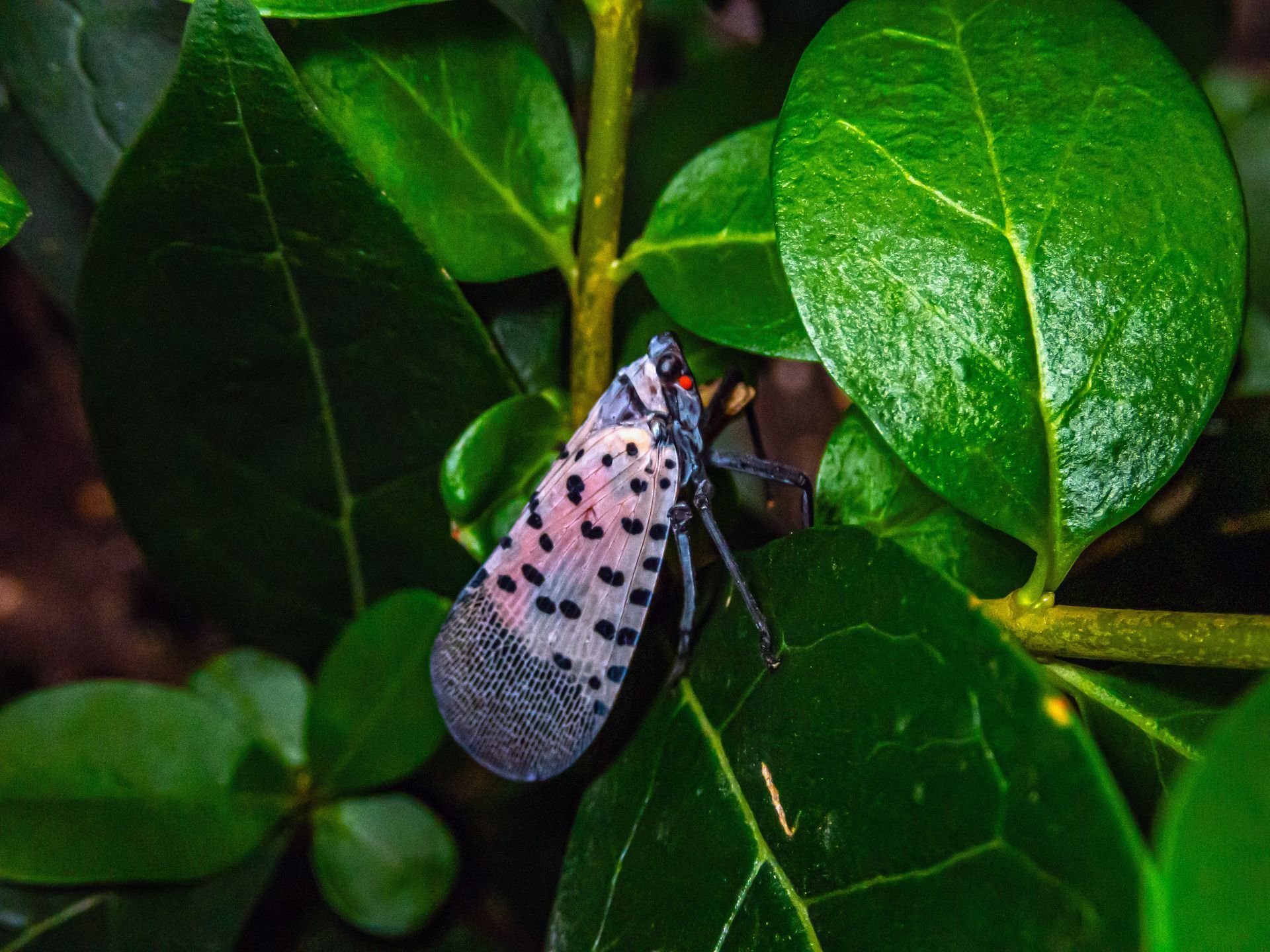
Find out why your Charlotte deck is sticky and how spotted lanternflies, honeydew, and sooty mold are connected, plus what you can do about it.
By Killo Exterminating Co., Inc. • October 5, 2026
Discover which bugs could be hiding in your North Carolina Christmas tree and how to keep them out of your home this holiday season.
By Killo Exterminating Co., Inc. • August 13, 2026
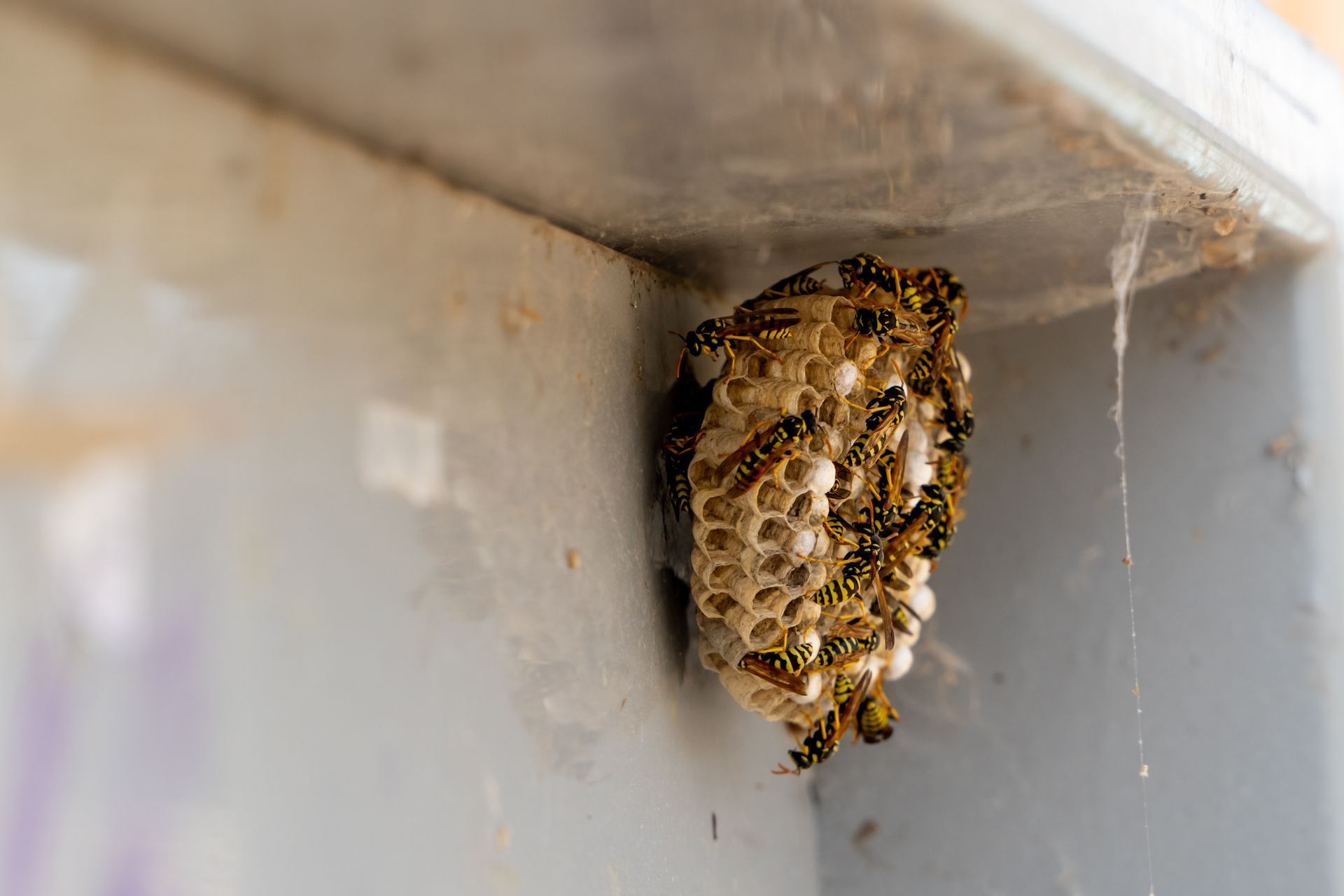
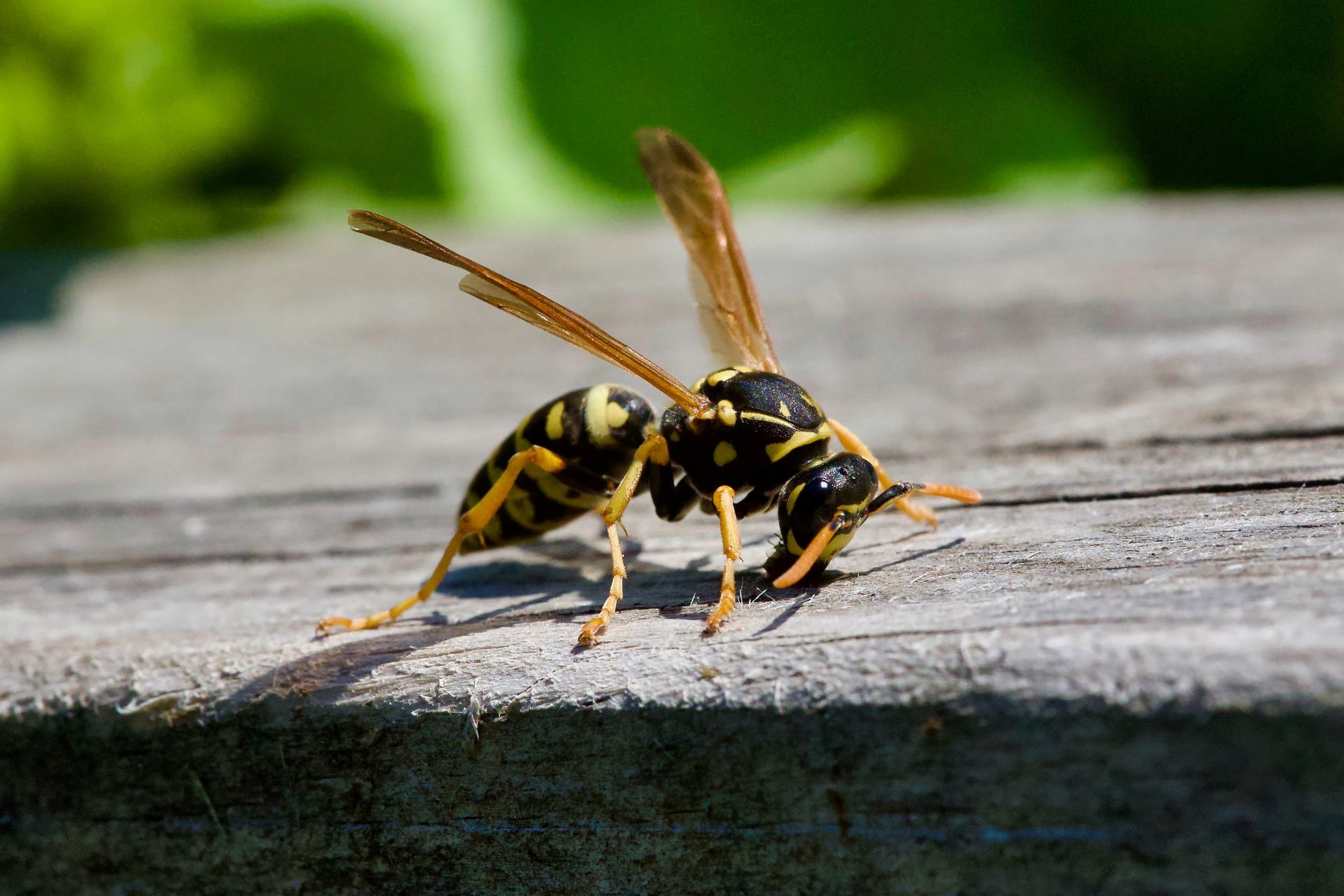
Find out what happens to wasps during winter in North Carolina and what it means for your home and yard when spring arrives.
By Killo Exterminating Co., Inc. • August 13, 2026
Learn how to tell the difference between wasp and hornet nests, where they are found, and why professional removal is always the safest choice.
By Killo Exterminating Co., Inc. • August 13, 2026
Find out whether killing ants inside your home actually attracts more of them, and learn what truly works to keep ant infestations under control.
By Killo Exterminating Co., Inc. • May 18, 2026
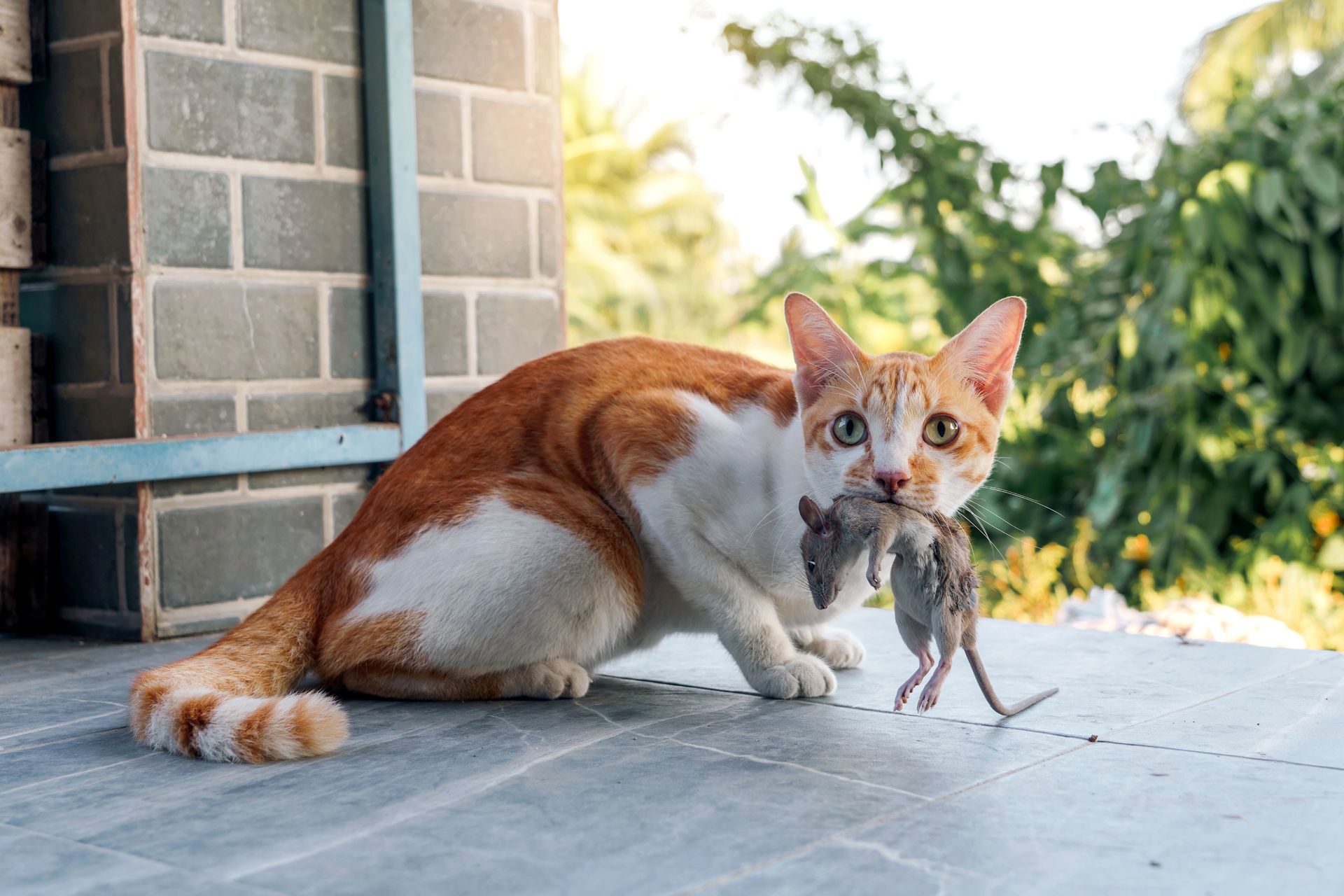
Do cats keep mice away for good? Learn what a cat can and cannot do for mouse control, why mice still enter homes, and what actually prevents infestations.
By Killo Exterminating Co., Inc. • May 7, 2026
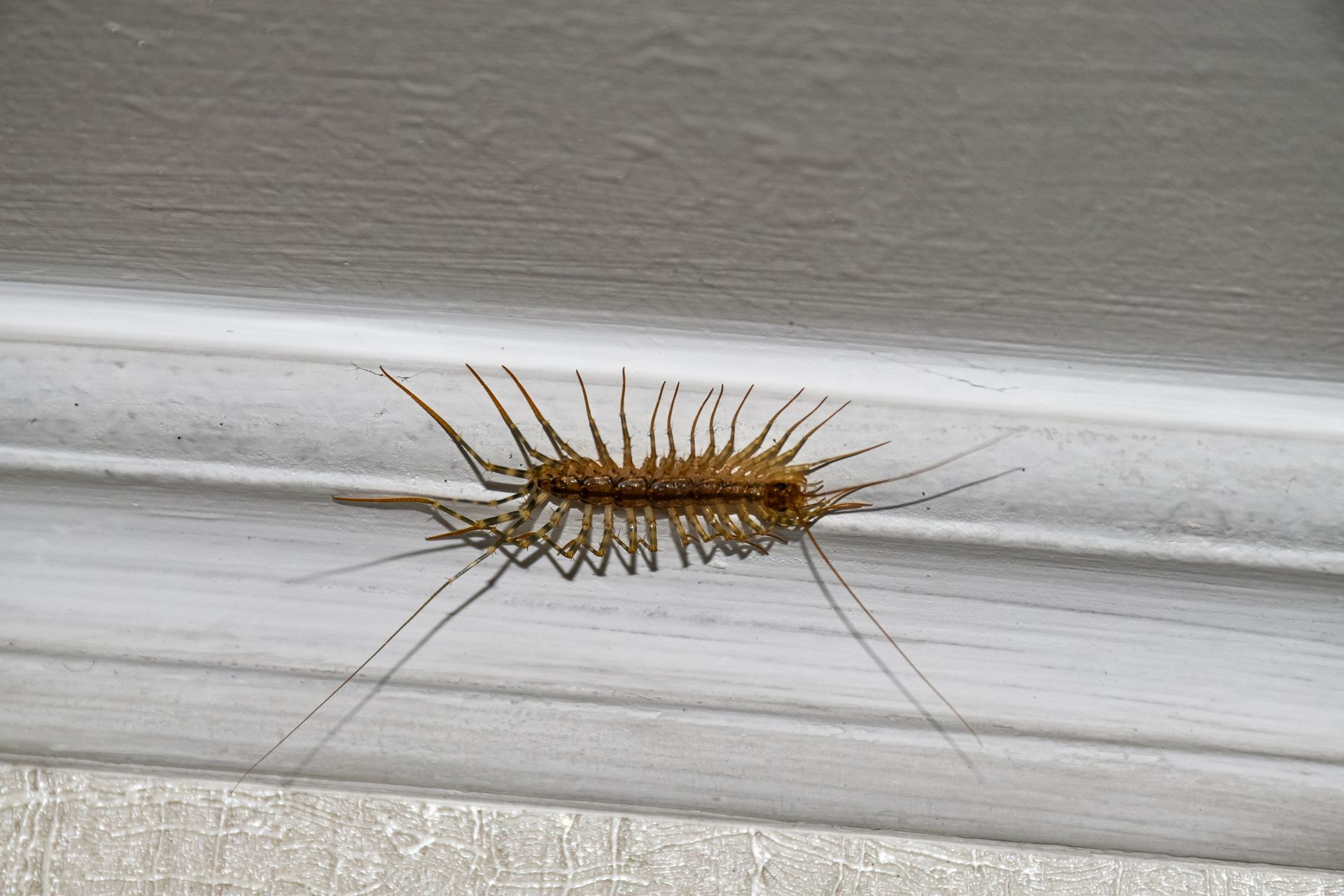
Learn what attracts house centipedes to homes, including moisture, prey insects, and hiding places. Get practical prevention steps and know when to call Killo Exterminating Co., Inc. for professional pest control.
By Killo Exterminating Co., Inc. • March 23, 2026
Chigger problems are an often overlooked but highly uncomfortable issue for homeowners in Charlotte and the surrounding areas. These tiny pests are barely visible to the naked eye, but can cause significant irritation and discomfort. Understanding how to identify chigger activity, prevent future infestations, and implement effective treatment methods is essential for maintaining a safe and enjoyable outdoor environment. At Killo Exterminating Co Inc, we specialize in addressing all kinds of pest issues, including seasonal and environmental nuisances like chiggers. Understanding Chiggers Chiggers are the larval stage of mites belonging to the Trombiculidae family. While adult mites are harmless, the larval stage poses a problem due to their feeding habits. Contrary to popular belief, chiggers do not burrow into the skin. Instead, they attach themselves to the skin surface and inject digestive enzymes that break down skin cells. This process causes an intense itching sensation and red welts, which are commonly mistaken for insect bites or rashes. Chiggers thrive in humid, warm climates and prefer areas with tall grasses, dense shrubs and moist leaf litter. These conditions are common throughout Charlotte, especially during the spring and summer months. Their presence is most noticeable in parks, trails, backyards and even golf courses. Signs of Chigger Activity One of the most frustrating aspects of dealing with chiggers is that their presence often goes unnoticed until after exposure. Since chiggers are less than 1/150th of an inch, they are nearly invisible without magnification. The signs of a chigger problem become apparent through the symptoms experienced by those who have been exposed. Common Indicators Include: Clusters of red itchy welts, particularly around areas where clothing is tight, such as the waistband, ankles, underarms, or behind the knees Delayed skin reaction, itching, and swelling often begin several hours after initial exposure Outdoor exposure correlation symptoms commonly appear after spending time in wooded, grassy, or damp areas Although the symptoms are not dangerous to overall health, they can cause intense discomfort and lead to secondary infections from scratching. For individuals with sensitive skin or allergies, the irritation may be even more pronounced. Where Chiggers Hide in Charlotte Properties Charlotte’s warm temperate climate provides an ideal environment for chiggers to thrive from late spring through early fall. They are commonly found in: Overgrown lawns or neglected garden beds Thick vegetation near property lines or fences Areas with poor drainage or consistent moisture Leaf piles, mulch beds, or groundcover Heavily shaded areas beneath trees or dense shrubbery How to Prevent Chigger Infestations Prevention is the most effective strategy when it comes to chigger control. While it may be difficult to completely eliminate chiggers in outdoor areas, you can significantly reduce their population and limit contact. Lawn Maintenance Keeping your lawn well-maintained is critical. Regular mowing and edging help reduce tall grasses and dense foliage where chiggers typically live. Trimming back shrubs and removing excess groundcover can also limit suitable habitats. Eliminate Moisture Since chiggers prefer moist environments, ensure your property has proper drainage. Repair any leaky spigots or downspouts and avoid overwatering your lawn. Consider adding gravel or stone barriers between wooded areas and your lawn to reduce migration. Protective Clothing When spending time outdoors, especially in wooded or grassy areas, wear long sleeves, pants, and closed-toe shoes. Tucking pants into socks and shirts into pants can reduce skin exposure. Treating clothing with permethrin or using DEET-based insect repellents can also help deter chiggers. Pet Control Pets that spend time outdoors may inadvertently carry chiggers into your home. Regularly check your pets and consider using veterinarian-approved flea and tick treatments that also help repel mites. Effective Chigger Treatments for Your Property If you suspect your property is experiencing a chigger problem, it is important to take targeted action. While over-the-counter insecticides may provide temporary relief, professional pest control services offer a more thorough and long-term solution. Step One: Inspection A professional inspection is crucial to confirm the presence of chiggers and identify high-risk areas. At Killo Exterminating Co Inc, our technicians perform comprehensive evaluations to assess the level of infestation and determine the contributing environmental conditions. Step Two: Customized Treatment Plan Based on the inspection results, we develop a tailored treatment plan designed to address the unique characteristics of your property. This typically includes the use of targeted residual insecticides that focus on high-traffic chigger zones such as tall grass, mulch beds, and shaded areas. Step Three: Follow-Up and Monitoring Chigger control is not a one-time event. Our team provides follow-up services to monitor progress and make adjustments as needed. Education is also an important part of the process. We work closely with homeowners to promote best practices in lawn care and pest prevention. What to Do if You Have Been Bitten If you have already experienced chigger bites, the good news is that they are self-limiting and usually resolve within one to two weeks. However, managing the symptoms can improve comfort and reduce the risk of complications. Recommended Treatments: Wash the affected area with soap and water to remove any lingering chiggers Apply anti-itch creams such as calamine lotion, hydrocortisone cream, or antihistamine gels Avoid scratching to prevent secondary infection Cool compresses can soothe inflamed skin and reduce itching If you experience excessive swelling or signs of infection, consult a healthcare provider for further treatment. Why Professional Help Is Often Necessary DIY solutions may provide temporary relief, but they often fail to address the root causes of chigger infestations. Without a clear understanding of the pest’s habitat and behavior, it is easy to overlook critical areas during treatment. Professional pest control companies like Killo Exterminating Co Inc offer the expertise, tools, and experience needed to provide effective long-term solutions. With decades of experience in pest management across the Charlotte area, our team is equipped to handle even the most persistent chigger problems. We understand the unique environmental conditions of the region and apply industry-leading practices that prioritize safety and sustainability. The Killo Exterminating Co Inc Advantage Choosing the right pest control provider can make a significant difference in the quality and longevity of your results. At Killo Exterminating Co Inc, we are committed to delivering exceptional service from start to finish. Our approach is based on transparency, thoroughness and a dedication to customer satisfaction. Clients benefit from: Licensed and highly trained technicians Environmentally responsible pest management Custom treatment plans for each property Ongoing support and preventative recommendations Local expertise grounded in years of service to Charlotte and surrounding communities Whether you are currently dealing with a chigger infestation or simply want to safeguard your property, our team is ready to assist. Take Control of Chigger Problems with Expert Help Today Chigger problems in Charlotte are more than just a seasonal annoyance. They can impact outdoor enjoyment, disrupt daily comfort and even lead to secondary health concerns if not properly managed. Recognizing the signs of a chigger infestation and taking proactive steps to treat and prevent it are essential components of effective pest control. By partnering with experienced professionals like those at Killo Exterminating Co Inc, you gain the peace of mind that comes from knowing your property is protected by experts. From thorough inspections to strategic treatments and ongoing support, we provide everything you need to manage chigger issues with confidence.  For more information or to schedule an inspection, contact Killo Exterminating Co Inc today and take the first step toward a safer, more comfortable outdoor environment.
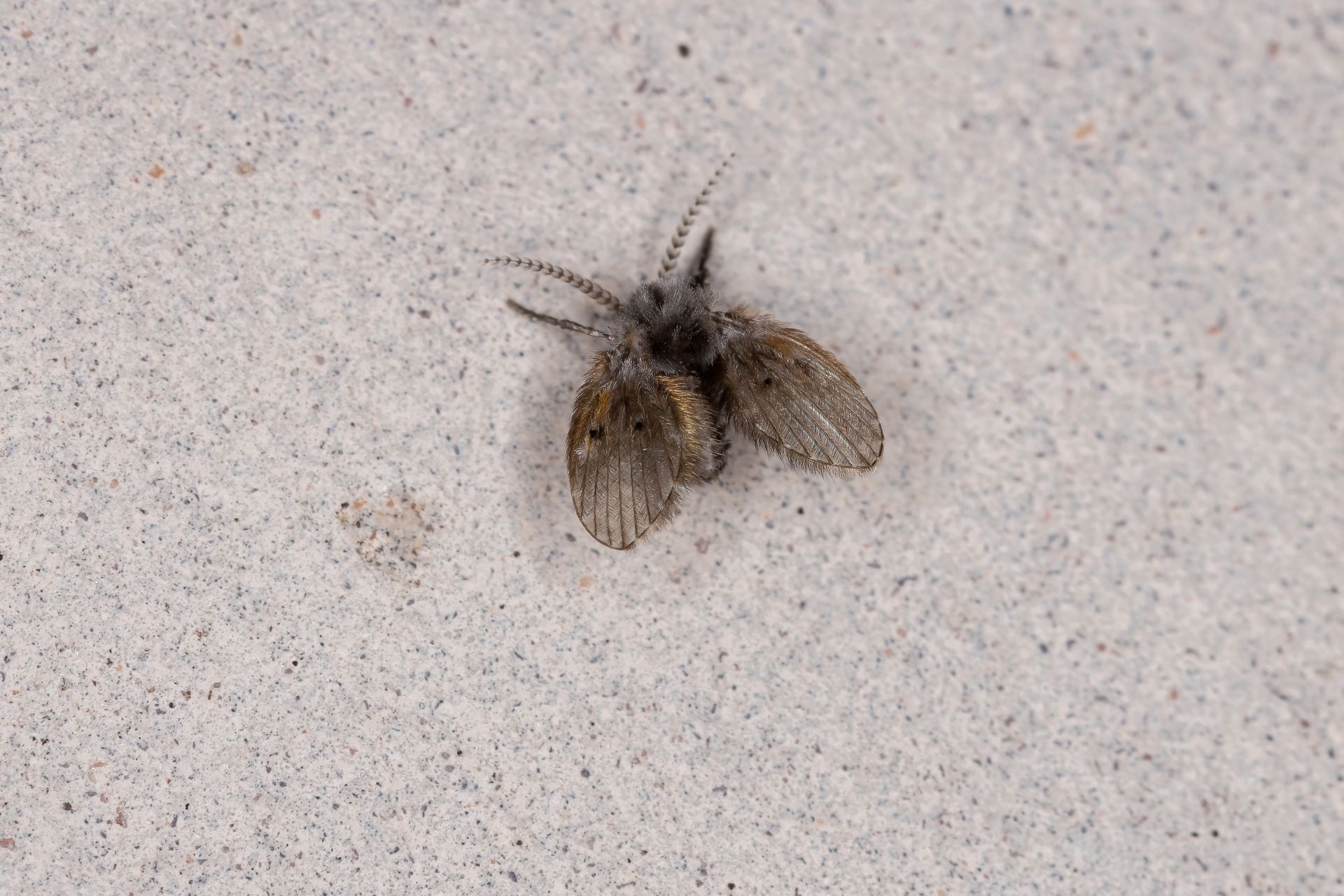
drain fly
By Killo Exterminating Co., Inc. • March 23, 2026
Discover how to identify drain flies and effectively remove them from your home or business in Charlotte NC. Expert advice from Killo Exterminating Co Inc.
are cockroaches harmful
By Killo Exterminating Co., Inc. • March 23, 2026
Learn the real risks of a cockroach infestation and how Killo Exterminating Co., Inc. helps eliminate roaches and prevent their return.